
Customs Deemed as Indonesia's Economic Border Guard
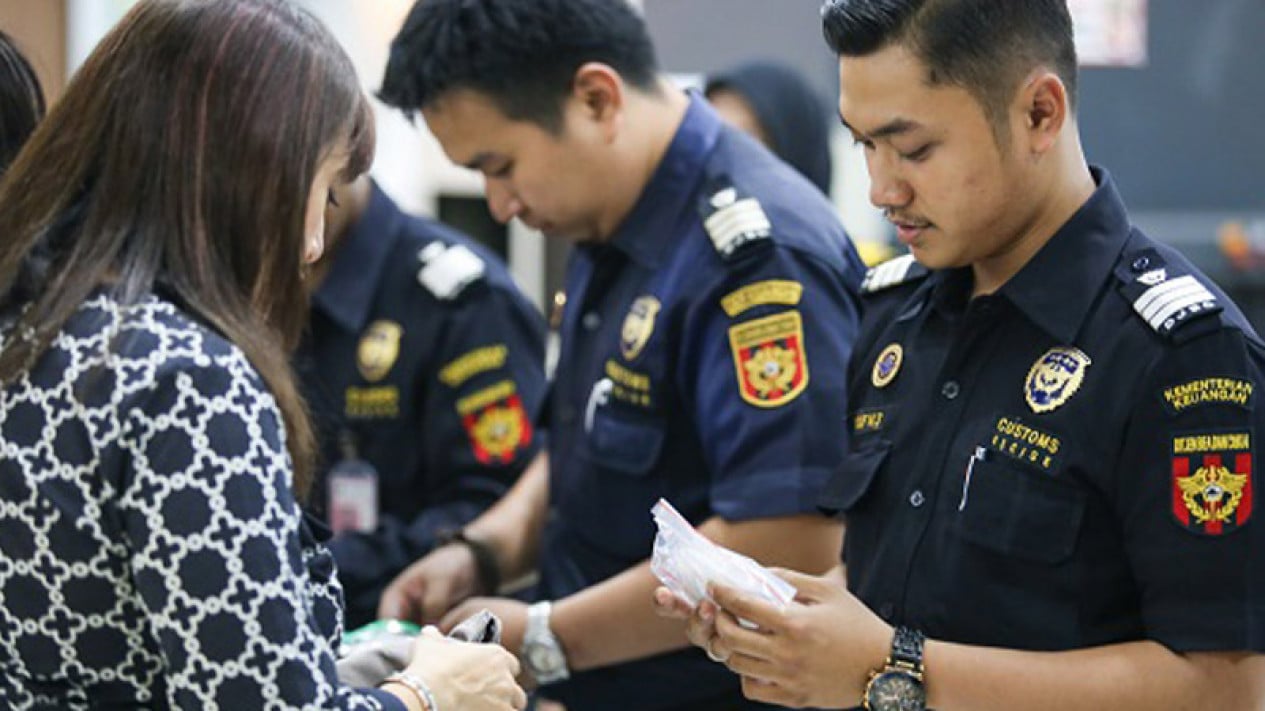
The Co-Founder Secretary of Indonesian Audit Watch (IAW), Iskandar Sitorus, has identified the Directorate General of Customs and Excise (DJBC) as one of the primary guardians of Indonesia’s economic borders. The institution holds extensive authority, ranging from supervising cross-border goods flows and managing trade data to conducting criminal investigations within economic border zones.
“Customs levies duties related to imported or exported goods. Excise is a levy on specific goods because their consumption or circulation needs to be controlled and monitored,” said Iskembat, as reported on Sunday, 2 August 2026.
He explained that the DJBC currently performs various strategic functions, including monitoring the movement of goods, inspecting passengers and shipments, providing industrial facilities, operating patrol vessels, managing laboratories, handling risk profiles, conducting intelligence, auditing companies, and investigating customs and excise crimes. “Therefore, Customs is truly one of the guardians of Indonesia’s economic borders,” he asserted.
According to Iskandar, the breadth of this authority places the DJBC at the centre of six often-conflicting interests. The state seeks optimal revenue; the business world requires smooth goods flows; industries expect rapid availability of raw materials; the public demands protection from illegal goods and narcotics; technical ministries want prohibitions and restrictions enforced; and law enforcement agencies require data and information to dismantle criminal networks.
“Officers are asked to accelerate services, but at the same time, they must prevent smuggling. They must provide facilities to industry, yet also supervise to ensure those facilities are not misused. Such conflicts of mandate will continue to emerge if all objectives are forced within a single chain of command,” he noted.
While Customs handles goods, Immigration monitors the movement of people, Quarantine checks biological risks, and technical ministries issue permits and standards, other agencies such as the National Police, TNI, Bakamla, the Attorney General’s Office, PPATK, and port authorities all hold their own respective authorities within the oversight chain. “As a result, goods may be detained not due to a single decision, but because of a series of decisions that are not always visible to the owners of the goods. When problems arise, each agency may claim that the bottleneck lies elsewhere. This is what we call the fragmentation of the economic border,” Iskandar explained.