
Customs 2026 Civil Servant Recruitment is Hoax; Public Urged to Remain Vigilant
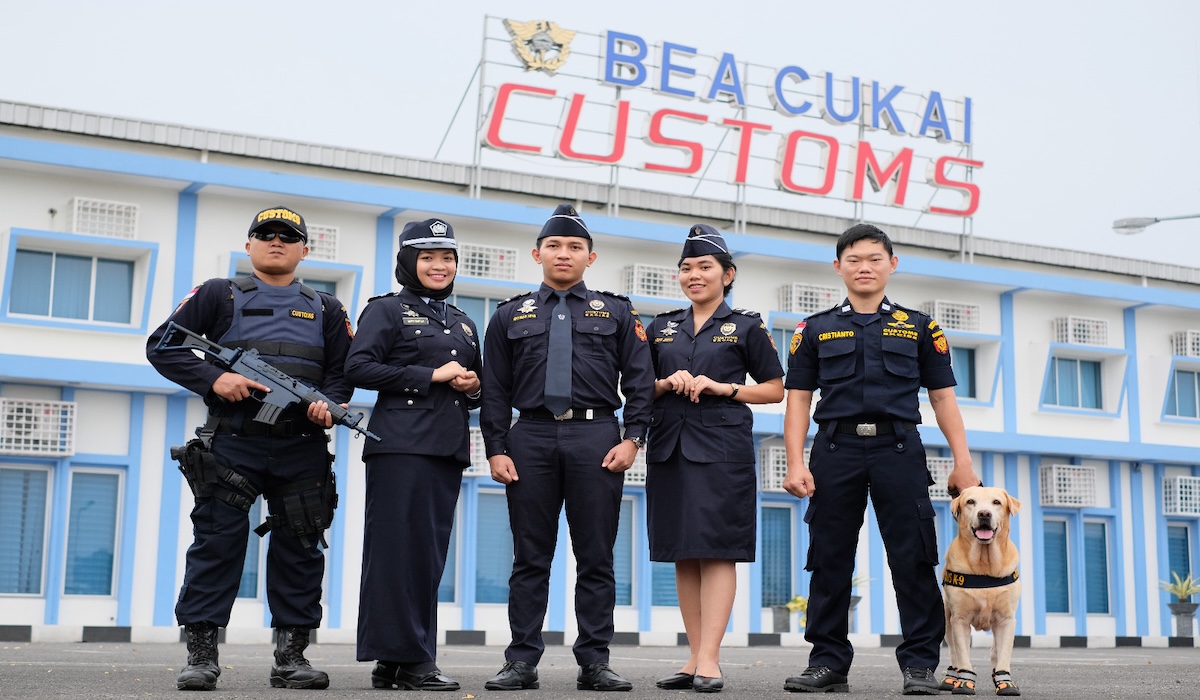
The Directorate General of Customs and Excise (Bea Cukai) has confirmed that information circulating widely on social media regarding the opening of registration for the 2026 Customs Civil Servant Candidate (CPNS) recruitment is false or a hoax. The public is urged to remain vigilant against fraudulent schemes impersonating government institutions.
This clarification follows the spread of video posts on the TikTok platform claiming that the 2026 Customs CPNS registration has opened for high school, diploma, and undergraduate graduates. These posts also included registration links suspected of being tools for fraud or personal data theft.
Nirwala Dwi Heryanto, Director of Communication and User Guidance at Customs, stated that the agency has not yet released any official information regarding employee recruitment for the 2026 fiscal year.
“Information regarding the opening of Customs employee recruitment for the year 2026 circulating on various social media platforms is untrue. To date, Customs has not released official information regarding employee recruitment,” Nirwala asserted in an official statement in Jakarta on Tuesday.
Nirwala explained that all recruitment processes within the Ministry of Finance, including Customs, are conducted transparently through official government channels. He warned of the risks of personal data misuse if the public accesses unofficial links, noting that the unauthorised use of the institution’s name harms the public and undermines trust in government agencies.
Security Warning: Customs urges the public not to provide personal data to unidentified parties and to always verify information through official communication channels when encountering suspicious information.
“We invite the public to play an active role in breaking the spread of hoaxes by not disseminating unverified information. Digital literacy is essential to avoid fraudulent methods,” Nirwala concluded.