
Customary Villages in Badung Required to Implement Waste Regulations, Including Sanctions for Tourists
A total of 124 customary villages in Badung are required to establish regulations in the form of ‘perarem’ for waste management. This policy has been implemented to strengthen waste management at the source.
These customary rules are universal and binding. Consequently, the imposition of administrative sanctions for littering does not only target local residents (krama adat) but also applies to guests and tourists (krama tamiu and tamiu) within those areas.
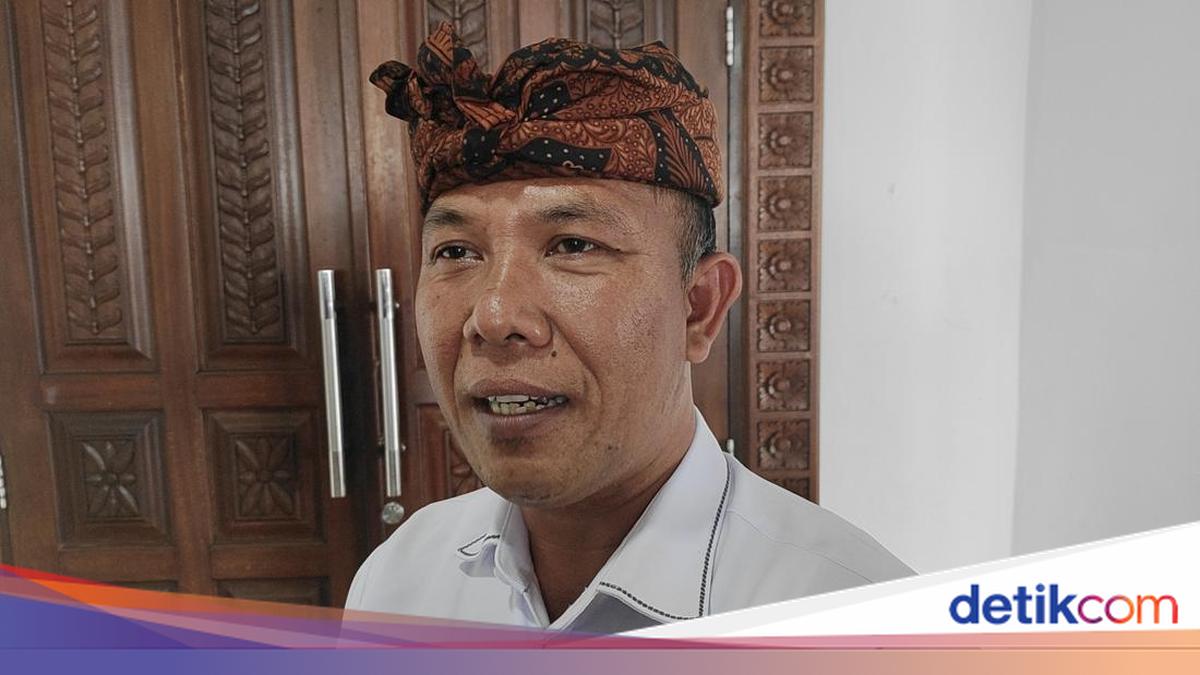
“This includes local villagers, guests, and tourists. It pertains to the implementation of administrative sanctions for waste management in each respective customary village,” said the Head of the Badung Culture Office, I Gede Sukadana, on Monday (8/6/2026).
The obligation to draft these customary rules follows strict policies from the Bali Provincial Government. Customary villages proven to have not finalised their waste management ‘perarem’ will face serious consequences, including the delay of Special Financial Assistance (BKK) disbursements from the Bali Provincial Government.
“There is a consequence implemented by the province, where if a customary village has not created a perarem regarding its waste management, its BKK will be delayed. Therefore, this serves as a catalyst to increase the enthusiasm of the customary villages in Badung Regency to expedite the process,” Sukadana stated.
The implementation of these rules is confirmed to be underway across all customary villages in Badung. Field supervision is conducted collaboratively, involving various elements from both administrative villages and customary villages.
“This is already in progress, and supervision is carried out collaboratively with administrative villages. Supervision involves Babinsa, Bhabinkamtibmas within the village, village officials such as the Perbekel, and from the customary village side, the Prajuru, including the involvement of Pecalang in monitoring,” said the former Secretary of the Badung PMD Office.
Pecalang (traditional security officers) hold a specific role within customary village areas. In addition to the Pecalang, cleanliness monitoring is supported by teams from the local government through Accelerated Action (Asper) units that conduct regular patrols. The primary focus of supervision in customary villages is directed towards managing organic waste resulting from religious ceremonies or ‘piodalan’.
Although the regulatory framework and administrative sanctions have been ratified in the ‘perarem’, enforcement currently prioritises a persuasive approach. Authorities have not yet implemented heavy social sanctions, as community compliance is deemed to be steadily improving.
“At this stage, it is still at the level of verbal warnings. Social sanctions have not been applied yet because we observe that community obedience is starting to improve,” Sukadana explained.