
Current Account Deficit Risks Widening Due to Oil and Gas Imports
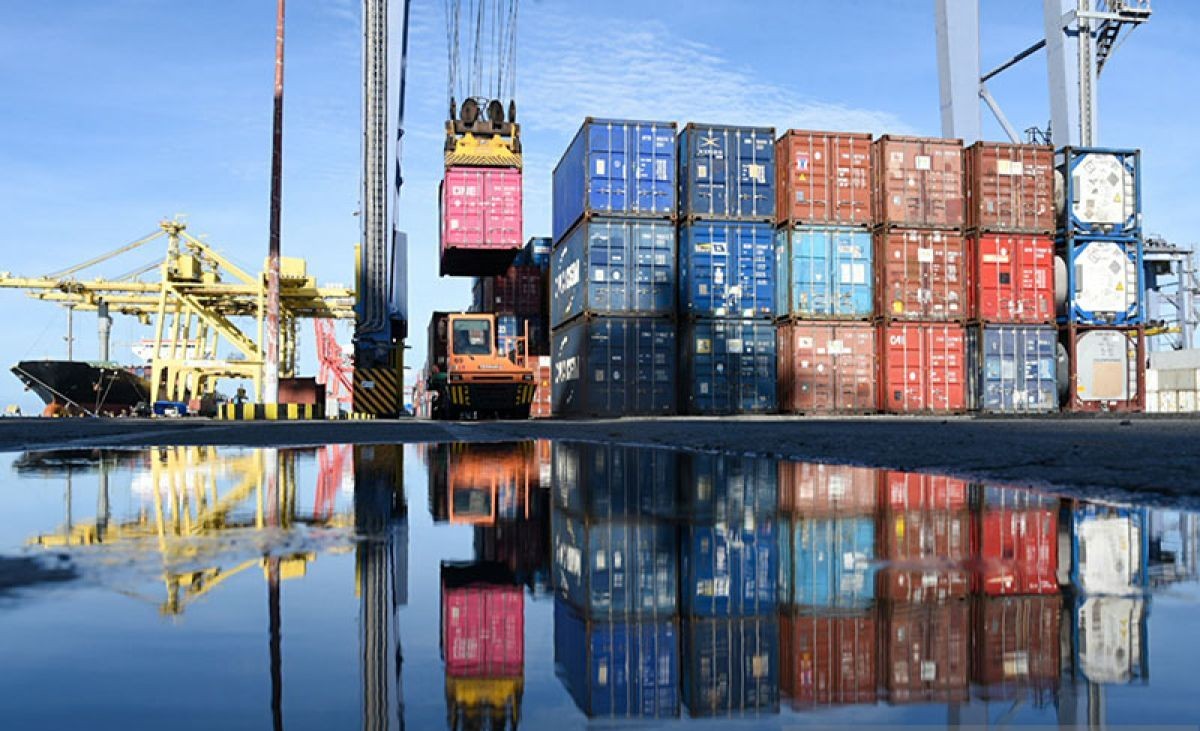
The Chief Economist of Trimegah Sekuritas Indonesia, Fakhrul Fulvian, has issued a warning regarding the potential widening of the current account deficit (CAD) in the second quarter of 2026. This condition is triggered by a narrowing trade surplus caused by a surge in oil and gas imports amidst high global energy prices.
According to recent data, Indonesia’s trade surplus in April 2026 was recorded at only US$89.1 million. This figure represents a drastic decline compared to the previous month, which recorded a surplus of US$3.32 billion.
“For the past few years, Indonesia has been relatively supported by large commodity trade surpluses. However, as energy prices rise and oil and gas imports increase, that cushion is beginning to thin. If this trend continues, we could potentially see a widening of the current account deficit in the second quarter of this year,” Fakhrul stated in an official briefing in Jakarta on Wednesday.
Although export performance grew strongly by 21.98% year-on-year to US$25.30 billion, import growth outpaced it. Imports surged by 22.49% year-on-year, reaching US$25.21 billion. Fakhrul emphasised that market attention is now focused on the significant speed of rising oil and gas imports. In April 2026, oil and gas imports increased by more than 80% year-on-year to US$4.60 billion.
“This surge primarily stems from increased imports of petroleum products and crude oil, driven by rising energy needs and the impact of Middle East tensions on global oil prices,” he added.
In addition to pressure on the balance of payments, energy inflation risks are beginning to spread domestically. May 2026 inflation data shows that the transport group experienced high price increases, particularly for commodities such as petrol, diesel, airfares, and lubricants.
Fakmul warned that financial markets are highly sensitive to changes in the structure of the balance of payments. Investors are now closely monitoring Indonesia’s ability to generate sufficient foreign exchange surpluses for external financing.
“When the trade surplus drops from billions of dollars to just tens of millions of dollars in a single month, the market will begin to question the future direction of the current account,” he explained.
Facing a different economic phase compared to the last two years, Fakhrul urged improvements in the macroeconomic policy mix. He suggested that the stability of the Rupiah cannot rely solely on monetary policy. He recommended several priority steps, noting that the management of the balance of payments and the stability of the Rupiah must be top priorities in the coming months.
Furthermore, President Prabowo has instructed government officials to eliminate import quota mechanisms that hinder the trade balance.
Source: jawawa.id (https://jawawa.id/newsitem/current-account-deficit-risks-widening-due-to-oil-and-gas-imports-1780853810)
Originally published by Media Indonesia (https://mediaindonesia.com/ekonomi/896443/defisit-transaksi-berjalan-berpotensi-melebar-akibat-impor-migas), translated from Indonesian