
Currency Weakening Against the US Dollar in Nearly All Countries, Economists Reveal the Causes
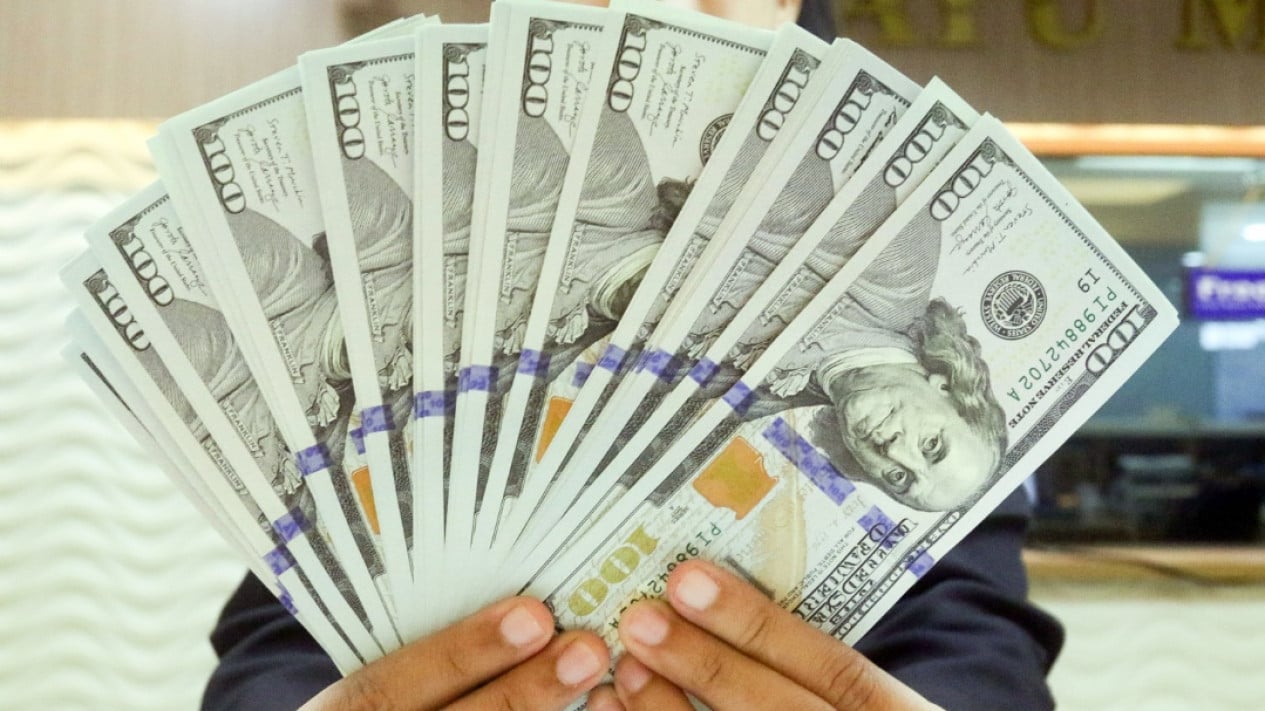
An economist from Muhammadiyah University of Bengkulu, Dr Surya Vandiantara, assesses that the weakening of domestic exchange rates against the US dollar is not occurring solely in Indonesia. The majority of Asian countries are also experiencing pressure on their domestic currencies.
According to him, one factor influencing this situation is the United States’ success in winning the war of opinion or sentiment regarding the conflict with Iran.
“The conflict between the US and Iran has caused investors and business actors to choose the US dollar as an investment instrument and means of exchange over other countries’ currencies,” said Surya in his statement on Tuesday, 12 May 2026.
He stated that this phenomenon has significantly increased demand for the US dollar. “The high level of demand for the US dollar is what has subsequently caused its value to soar,” he added.
Based on data from Bank Indonesia (BI), the weakening of the rupiah compared to other countries is actually relatively better. The data shows a rupiah depreciation of around 3.65% since the start of the US-Iran conflict.
This figure is lower than the Philippine peso, which fell 6.58%, and the Thai baht at 5.04%. The Indian rupee weakened by 4.32%, and the Chilean peso by 4.24%. Meanwhile, the Korean won recorded a weakening of 2.29%.
Surya views the weakening of the rupiah’s value against the US dollar as resulting from external factors, not internal ones.
He believes it is influenced by domestic investors and business actors who are following the global trend of using the US dollar as an investment instrument and means of exchange. This ultimately pressures demand for the rupiah and increases demand for the US dollar.
“Amid domestic economic growth that tends to be stable and positive, as well as trade with the United States which is recorded as in surplus, this further confirms that the weakening of the rupiah’s value is not due to internal factors, but external ones,” said Surya.
Regarding Bank Indonesia’s seven steps to curb the rupiah’s weakening, Surya describes them as strategic measures to increase demand for the domestic currency. If demand for the rupiah rises, it will be able to compete with the high demand for the US dollar.