
Currency Manipulation Issue: Airlangga States Indonesia is Not a Country Intentionally Weakening its Currency
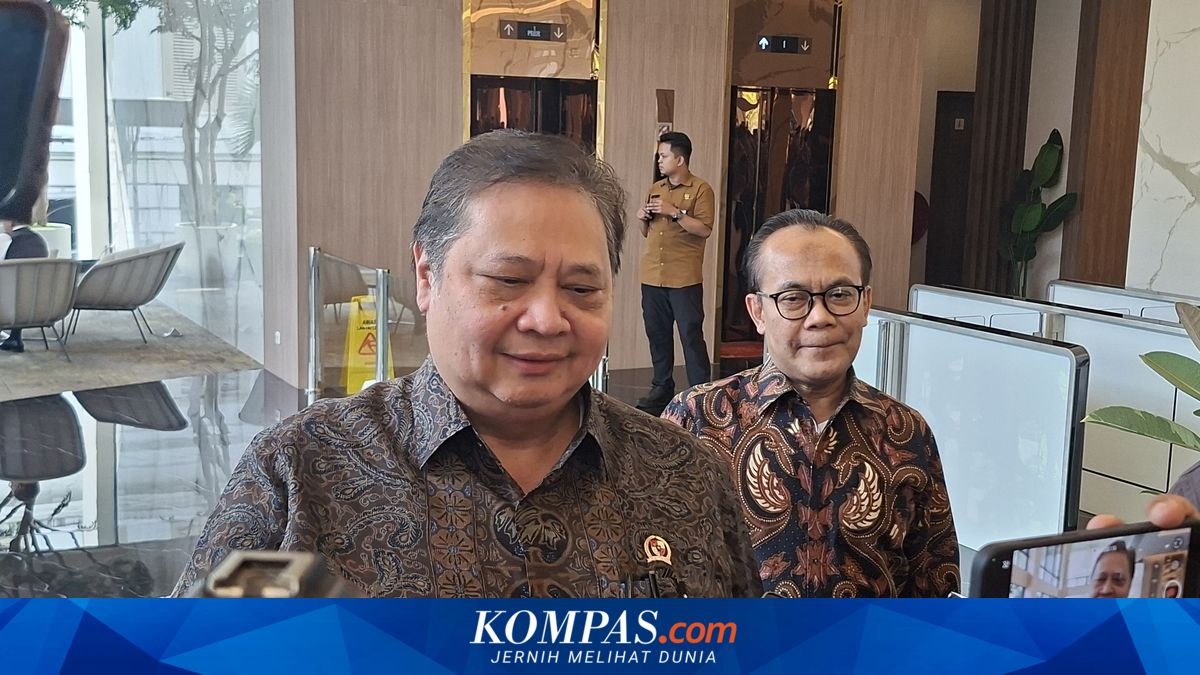
JAKARTA, KOMPAS.com - Coordinating Minister for the Economy Airlangga Hartarto has emphasised that Indonesia is not a country that intentionally weakens its currency to enhance export competitiveness. Airlangga noted that the United States assesses several Asian countries as deliberately depreciating their currencies against the US dollar to make their products competitive in the global market, including the US market. Airlangga explained that amid current global pressures, the rupiah is indeed experiencing depreciation. However, this currency weakening is not unique to Indonesia but is also occurring in several other countries’ currencies, such as Japan. Therefore, the rupiah’s depreciation is not intentional. “Even if America feels that some Asian countries are engaging in currency manipulation to strengthen competitiveness by deliberately weakening their currencies, Indonesia is not included in those countries. This is what we continue to maintain,” he said at the Roundtable: Gauging the Economic Pulse, Accelerating Growth Amid Global Turbulence event at the Mulia Senayan Hotel, Jakarta, on Tuesday (28/4/2026). Airlangga stressed that the government, together with Bank Indonesia, is continuously safeguarding macroeconomic stability and monitoring rupiah movements. He stated that the government will not oppose market flows but will respond to external pressures through various prepared policies to protect the domestic economy. “Of course, the government continues to maintain macroeconomic prudence, together with BI monitoring the rupiah. However, we certainly do not go against the flow. If the flow is a headwind, we do not intend to crash into it, but with various policies,” he explained. He added that in efforts to maintain national economic stability amid global pressures weakening the rupiah and increasing energy prices, the government is seeking to expand biodiesel usage to reduce dependence on imported products. The implementation of mandatory B50 (a 50 per cent palm oil and 50 per cent diesel blend) is targeted to begin in the second half of 2026. This policy is expected to save the state budget up to Rp 48 trillion. “With biodiesel, as oil prices rise, the delta difference between palm oil prices and fuel prices will narrow, thus reducing subsidies. The savings from not using diesel but using B50 amount to around Rp 48 trillion,” he clarified.