
Culture Ministry: Railway Heritage Can Be a Source of Economic Growth
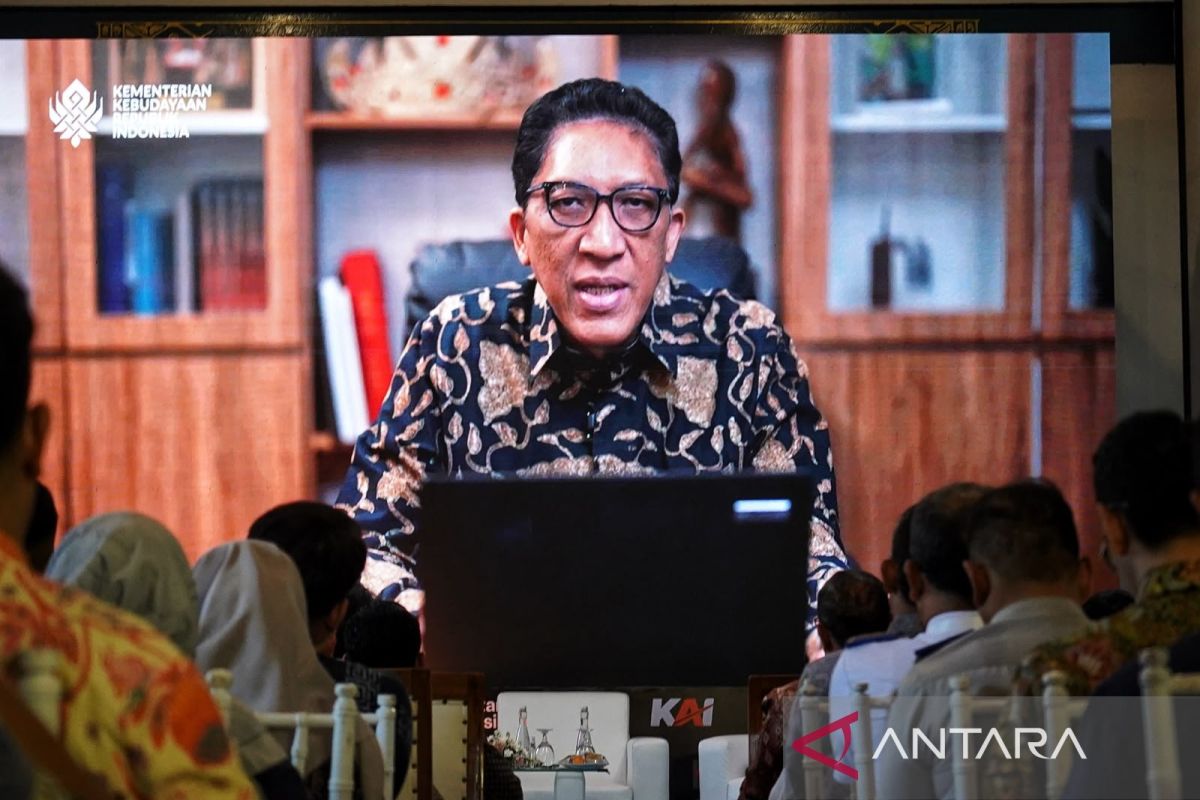
Jakarta (ANTARA) - The Ministry of Culture has called for Indonesia’s national railway heritage to be used as a source of economic growth, tourism development and urban revitalisation, without erasing its historical value or cultural identity.
Acting Secretary-General of the Ministry of Culture Bambang Wibawarta said the preservation of cultural heritage should be treated as part of the national development strategy, rather than an obstacle to modernising infrastructure.
“Preservation is not the opposite of development. Good preservation can in fact become a source of development,” Bambang said in a statement received in Jakarta on Monday.
Speaking at the 2026 National Symposium on Indonesian Railway Cultural Heritage at Lawang Sewu in Semarang, Bambang said there needed to be a shift in approach from heritage preservation to “heritage-driven transformation”. This means moving beyond simply safeguarding historic buildings to making the most of their benefits for the public.
He stressed that the use of historic assets must continue to respect the authenticity of buildings, their cultural character and their historical significance.
Bambang cited Lawang Sewu, formerly the headquarters of the Nederlandsch-Indische Spoorweg Maatschappij (NIS), as an example of a railway heritage building with historical significance and close links to the independence struggle. It can now serve as a place where the public can engage with history, as well as an educational tourism destination.
The railway’s arrival marked a milestone in transport development, accelerating trade, connecting regions and creating opportunities for economic growth and the exchange of knowledge across the archipelago.
Bambang added that railway heritage brings together physical infrastructure and culture, both of which play important roles in national development. By preserving historical memory, it can also connect generations.
The agenda includes protecting and documenting historic assets; using them for education, research, tourism and the creative economy; and strengthening governance through the involvement of government, businesses, academics and communities.
Collaboration with state railway operator PT Kereta Api Indonesia (Persero), local governments, universities and preservation communities is important to ensure railway heritage assets are managed in an integrated way and deliver social, cultural and economic benefits for future generations.
He also emphasised that modernisation must not neglect safety, accessibility or the needs of the public, while preservation should be incorporated into development planning from the outset.
According to Bambang, protecting cultural heritage is also part of the state’s constitutional responsibility to advance national culture, and should not be based solely on administrative or economic considerations.
Source: jawawa.id (https://jawawa.id/newsitem/culture-ministry-railway-heritage-can-be-a-source-of-economic-growth-1794232408)
Originally published by Antara (Indonesian) (https://www.antaranews.com/berita/5842367/kemenbud-warisan-perkeretaapian-jadi-sumber-ekonomi), translated from Indonesian