
Culture Ministry Pushes for National Roadmap on Nusantara Traditional Medicine Systems
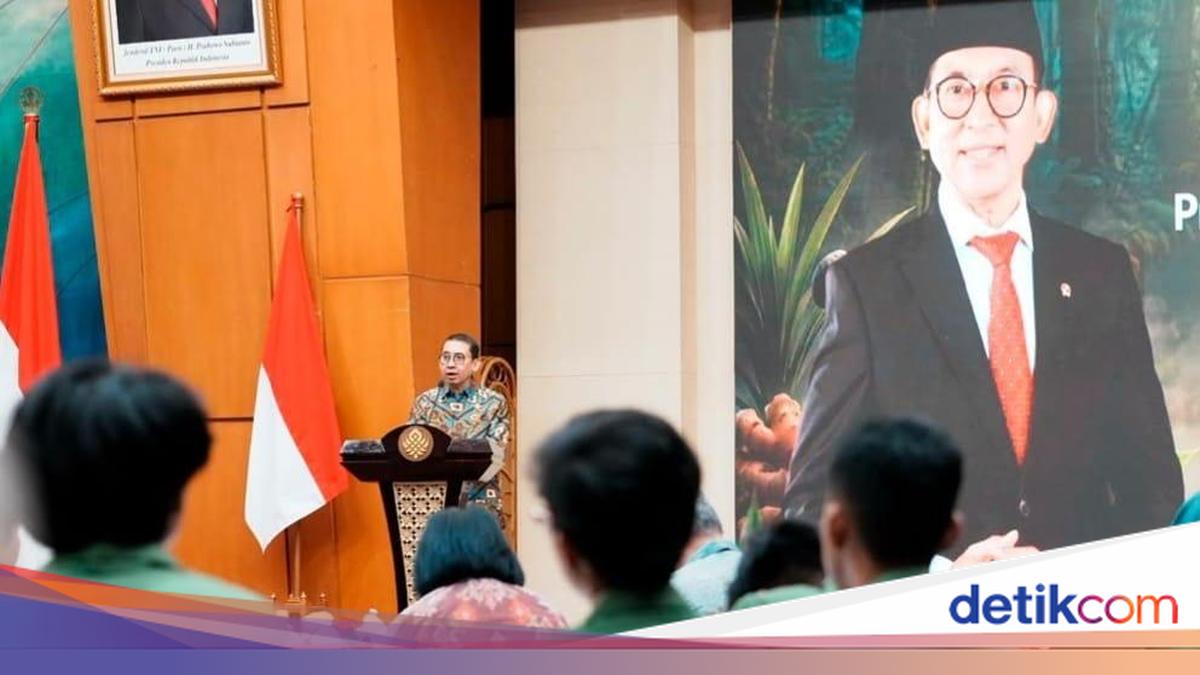
The Ministry of Culture of the Republic of Indonesia held the National Focus Group Discussion on Drafting the Roadmap for the Nusantara Traditional Medicine System (TAWARUPA) towards Golden Indonesia 2045, taking place at Graha Utama, Building A, 3rd Floor, of the Ministry of Culture complex in Jakarta.
The agenda, opened in person by Minister of Culture Fadli Zon, marks the first step in formulating a national policy direction for developing an Indonesian traditional medicine system that is grounded in science, rooted in cultural heritage, and globally competitive.
Fadli Zon affirmed that traditional medicine forms part of living cultural heritage, shaped by the long experience of communities and passed down across generations through language, manuscripts, practices, and the memory of its practitioners.
In line with the World Health Organization’s (WHO) global strategy on traditional medicine, its development must strengthen scientific evidence, guarantee safety and quality, and respect cultural heritage, biodiversity, and the rights of the communities who hold this knowledge.
In the Indonesian context, this wealth of knowledge shows that the peoples of the archipelago have long developed ways of surviving, caring for one another, and adapting to a complex tropical environment.
“These facts show that the Nusantara was not merely a recipient of knowledge from outside. Since early history, Indonesian communities have developed knowledge to survive, care for one another, and adapt to a highly complex tropical environment,” Fadli Zon said in a written statement on Wednesday (22 July 2026).
He emphasised that strengthening public health must go hand in hand with the national development vision, including through the downstream processing of local wisdom.
According to him, Indonesia possesses vast cultural capital and natural resources to develop traditional knowledge into value-added, competitive innovations. One avenue is the development of phytopharmaca, which can bring together local wisdom with advances in science and biotechnology while strengthening national health self-reliance.
“That is why I am encouraging more phytopharmaca — medicines made from natural ingredients that have passed preclinical and clinical trials — as a bridge between local wisdom and Indonesian biotechnology. Indonesia has great capital to develop phytopharmaca as a competitive advantage in health, and it can serve as an alternative to our dependence on imported medicines,” he said.
As a country with abundant biodiversity, Indonesia has a wide array of traditional medical knowledge and practices developed across generations. This knowledge encompasses the use of medicinal plants and herbal remedies, body therapies, and traditional dietary patterns reflecting local wisdom and supporting people’s ways of life.
The recognition of Jamu as an Intangible Cultural Heritage of the World by UNESCO in 2023 further affirms that Indonesian traditional medical knowledge and practices are an important part of the nation’s cultural identity. Beyond cultural heritage, traditional knowledge holds social, scientific, economic, and diplomatic value that can continue to be developed as part of national development.
“Building on this, the Ministry of Culture, through its Directorate of Cultural Value Empowerment and Intellectual Wealth Facilitation, is holding the TAWARUPA FGD to encourage the sustainability of traditional knowledge whilst opening up opportunities to develop it as a strategic asset that benefits communities and supports national development,” he explained.
Fadli expressed optimism that the FGD can strengthen collaboration between culture and science in developing the traditional medical knowledge of the archipelago.
“Knowledge passed down through generations must develop into documented knowledge; safe and trusted practices; competitive products; a source of community prosperity; and a source of strength for Indonesia’s health sovereignty. May this FGD produce sharp ideas, concrete recommendations, and collaborative steps,” he said.
Meanwhile, Director-General for Cultural Protection and Traditions Restu Gunawan said the FGD also forms part of efforts to draft the TAWARUPA concept as a national framework that brings together various traditional medicine practices in a modern, inclusive, research-based system, whilst strengthening cross-sector collaboration towards Golden Indonesia 2045.
“This discussion forum was initiated by the Ministry of Culture and Bappenas to answer this question. The initiative also encompasses discussions on drafting the TAWARUPA concept as a national framework that unites various Nusantara traditional medicine practices in one modern, inclusive, research-based system,” he concluded.
Also in attendance were the Director-General of Pharmaceuticals and Medical Devices at the Ministry of Health, Lucia Rizka Andalucia; Director of Cultural Value Empowerment and Intellectual Wealth Facilitation at the Ministry of Culture, I Made Dharma Suteja; a representative of the Food and Drug Supervisory Agency, William Adi Teja; and a number of health practitioners, including Dr Anna Rozaliyani and Fitri Puspadewi representing Bio Farma Group; traditional medicine practitioner Gunartho; and cultural figure Ki Jatnika Nanggamihardja.
Source: jawawa.id (https://jawawa.id/newsitem/culture-ministry-pushes-for-national-roadmap-on-nusantara-traditional-medicine-systems-1784728440)
Originally published by detikcom (https://news.detik.com/berita/d-8585861/kemenbud-dorong-penyusunan-roadmap-sistem-pengobatan-tradisional-nusantara), translated from Indonesian