
Culture Minister Fadli discusses strengthening Indonesia’s role at UNESCO
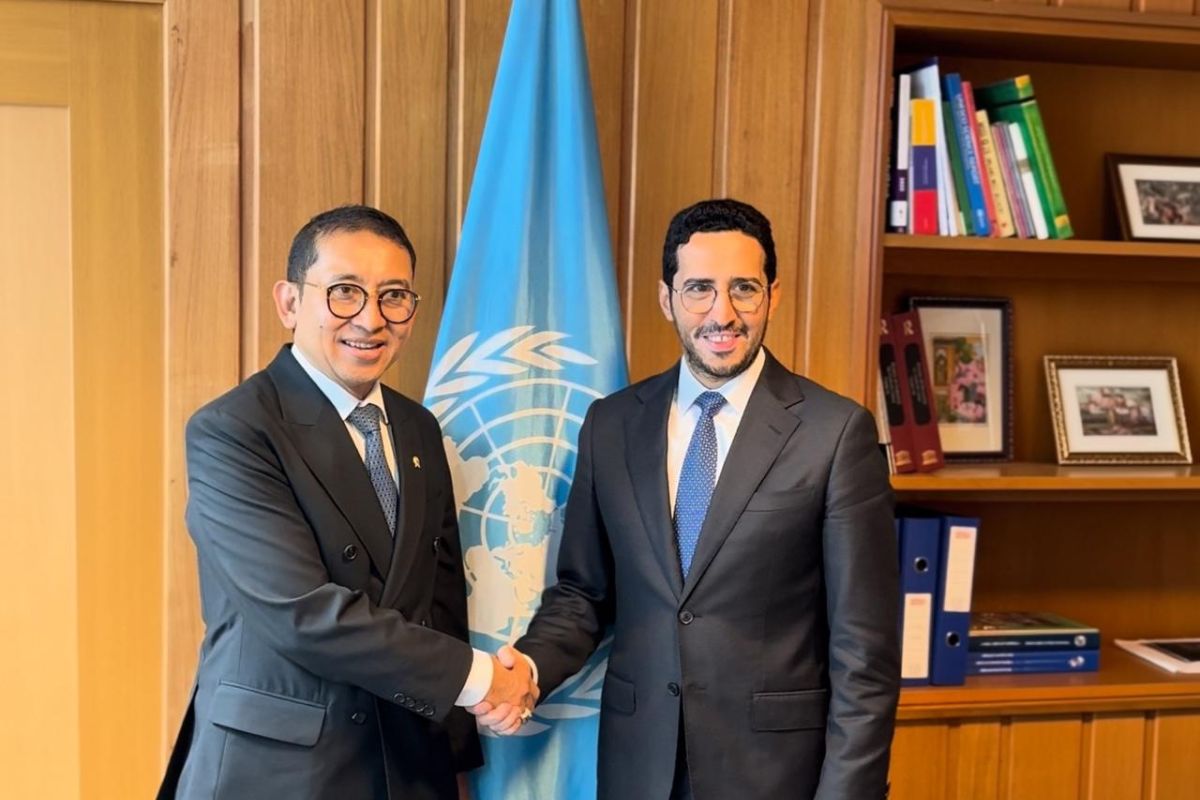
Jakarta (ANTARA) – Indonesia’s Culture Minister, Fadli Zon, has discussed strengthening the country’s role at UNESCO, reaffirming its commitment to taking a more active and substantive part in the organisation’s work.
“Indonesia wants to contribute ideas, experience and good practices more actively to UNESCO. We also want to ensure that the perspectives of countries in the Global South have a stronger place in global discussions on education, science and culture,” Fadli said in an official ministry statement received on Friday.
Fadli made the remarks during a meeting with UNESCO Executive Board Chair Dr Nasser bin Hamad Al Hinzab on the sidelines of the board’s 225th session in Paris on Thursday (8 October). They also discussed improving the organisation’s governance and effectiveness, and developing new, sustainable funding mechanisms to support UNESCO’s work in education, science, culture, communication and information.
The UNESCO Executive Board comprises 58 elected member states and plays an important role in overseeing the organisation’s work programme, governance and policy implementation. Indonesia is currently serving on the board for the 2023–2027 term.
Al Hinzab welcomed Indonesia’s commitment, saying the country’s active participation was important to strengthening the implementation of UNESCO’s programmes and mandate.
At the meeting, he outlined three key priorities for UNESCO: raising the visibility of its mandate, improving transparency and governance, and developing new, more sustainable sources of funding.
“UNESCO needs countries such as Indonesia to take a more active role on the Executive Board. We need to strengthen the visibility of UNESCO’s mandate, improve governance and transparency, and seek new funding instruments so that its programmes can be sustained,” Al Hinzab said.
The two sides discussed UNESCO’s strategy to broaden funding partnerships beyond member-state contributions, including through cooperation with financial institutions and development partners.
The UNESCO Executive Board chair also raised the potential for collaboration with the Qatar Fund and plans to bring partners together to explore new sustainable financing models for the organisation’s programmes.
Fadli stressed the importance of creating greater opportunities for the private sector, corporations and philanthropic organisations to contribute to the protection and development of culture.
“We need more innovative funding models. Governments cannot work alone. The private sector, corporations and philanthropy need to be involved to make cultural programmes more sustainable. Indonesia’s experience shows that such partnerships can be an important resource for the revitalisation and protection of cultural sites,” Fadli said.
Fadli also called for continued improvement to the nomination and inscription process for Intangible Cultural Heritage, making it more responsive. UNESCO recognition, he said, could serve as a tool for cultural diplomacy, fostering mutual understanding and strengthening peace between nations.
Al Hinzab also highlighted the importance of making member states’ engagement in UNESCO’s evaluation and designation processes more effective, including by ensuring that the expertise involved is appropriate to the characteristics of the sites and cultural heritage being assessed.
The Culture Minister also chairs the Indonesian National Commission for UNESCO (KNIU), which coordinates work across ministries and agencies responsible for foreign affairs, education, science and technology, communication and information, and research and innovation.
The KNIU is also organised into four main working groups covering education, science, culture, and communication and information. Their purpose is to consolidate Indonesia’s positions and substantive input across UNESCO’s various agendas.
“Indonesia is ready to become an increasingly active, constructive and responsible partner on the Executive Board and throughout UNESCO. We want to ensure that UNESCO remains relevant and inclusive, and has the capacity to fulfil its mandate amid increasingly complex global challenges,” Fadli said.
Source: jawawa.id (https://jawawa.id/newsitem/culture-minister-fadli-discusses-strengthening-indonesias-role-at-unesco-1791539827)
Originally published by Antara (Indonesian) (https://www.antaranews.com/berita/5778542/menbud-fadli-bahas-penguatan-peran-indonesia-dalam-unesco), translated from Indonesian