
Cultural Heritage Must Provide Economic Benefits, Not Just Preservation
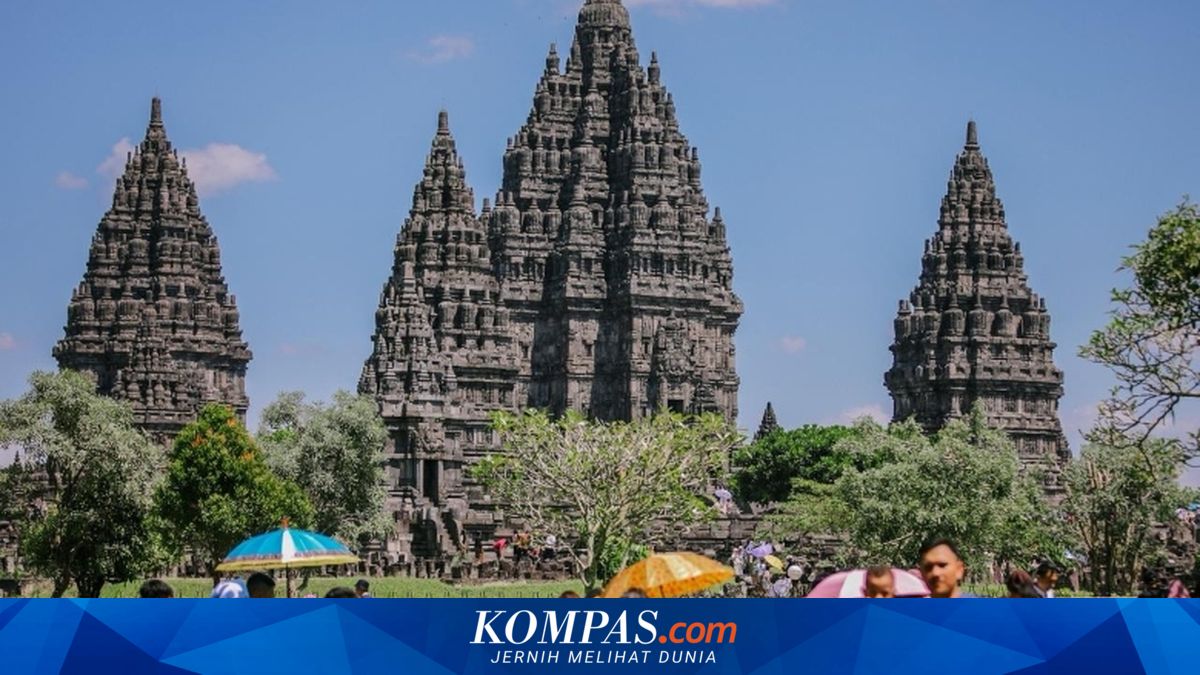
The Minister of Culture, Fadli Zon, has emphasised the importance of utilising national cultural heritage as an economic engine for the community. According to him, the preservation of cultural heritage should not stop at mere designation; it must be followed by maximum utilisation supported by adequate infrastructure.
“It should not become a dead object, but must be alive. It should be utilised for cultural tourism, religious tourism, and to become a cultural economy,” he stated. Fadli cited the redevelopment of the Borobudur Temple area between 197ly and 1983, which transformed a previously disorganised location into a world-class tourist destination. This revitalisation boosted tourist arrivals and created a domino effect for local MSMEs.
The Minister of Culture hopes that the management of cultural heritage will not be limited to historical and religious tourism but will evolve into creative spaces. He emphasised that neatness, spatial planning, and good management of historical buildings—whether mosques, churches, or other sites—will automatically create economic opportunities for cafes, restaurants, and souvenir vendors in the surrounding areas.
Beyond temples, Fadli also sees great potential in the tombs of the ‘Wali Songo’ (the nine saints) as drivers of the local economy. Tourists visiting for pilgrimages also require consumption, transport services, and regional specialty products. He noted that in many countries, historical tombs even charge entry fees, similar to the Pantheon. Therefore, he is encouraging improvements in infrastructure and governance so that national cultural sites can possess similar appeal without losing their religious value.
In addition to infrastructure, Fadli highlighted the importance of MSME players labelling their products—ranging from culinary arts and crafts to performing arts—as ‘intangible cultural heritage.’
“When we consume intangible cultural heritage, there is added value. The selling value is also much better,” he said. “Storytelling is also a commodity,” he asserted, underlining that storytelling can increase purchasing interest while simultaneously promoting Indonesia’s cultural identity.
Source: jawawa.id (https://jawawa.id/newsitem/cultural-heritage-must-provide-economic-benefits-not-just-preservation-1780889073)
Originally published by Kompas (https://travel.kompas.com/read/2026/05/20/070700627/bukan-sekadar-dilestarikan-cagar-budaya-harus-punya-manfaat-ekonomi?utm_source=ABC&utm_medium=rss), translated from Indonesian