
Culinary programmes on Netflix drive cultural exploration and tourism
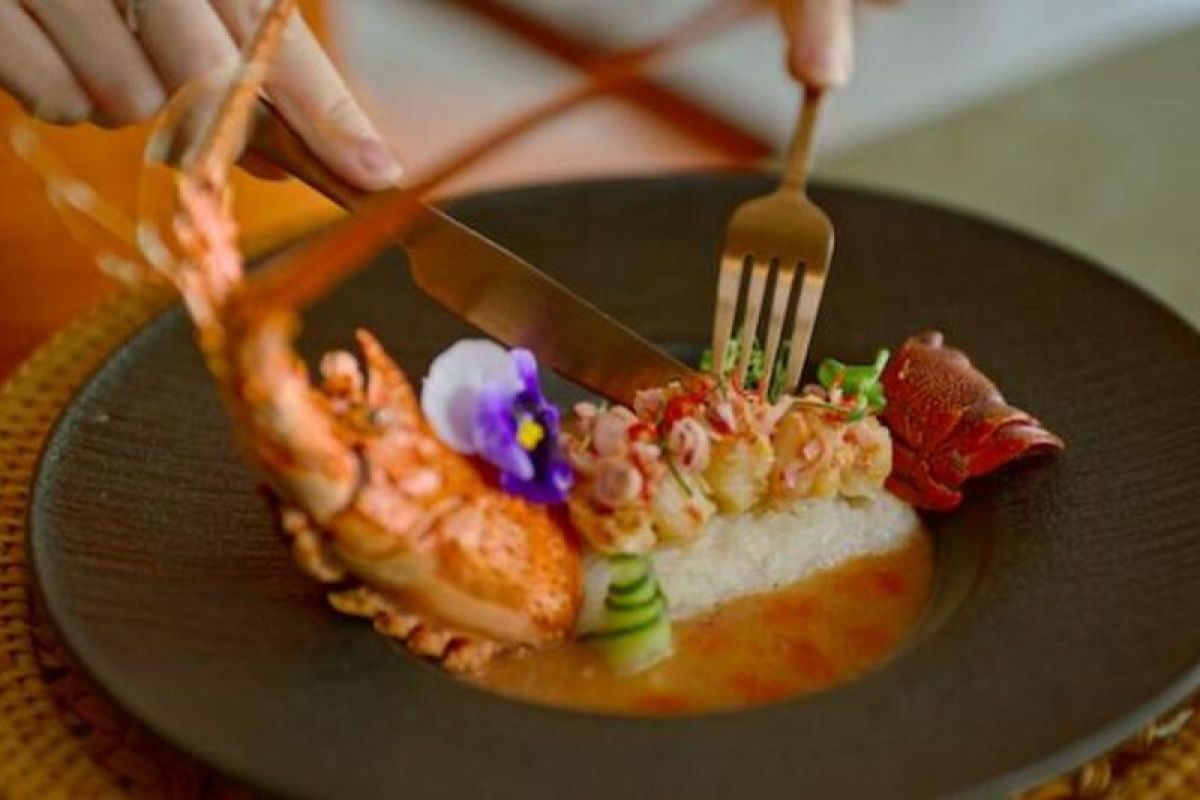
Netflix has highlighted that culinary programmes are increasingly influencing how viewers discover new foods, explore different cultures, and select travel destinations. Malobika Banerost, Netflix’s Senior Director of Content for Southeast Asia, stated that culinary shows offer a compelling blend of entertainment, emotional connection, and cultural exploration, making the genre highly attractive to audiences.
“Good stories are always able to arouse curiosity, and currently, viewers are looking for programmes that can engage all their senses. There is a growing interest in what happens behind a dish,” Banerji said in a press statement. She added that the power of culinary storytelling lies in how every dish holds a story of tradition, community, and kitchen experiences.
Culinary programmes now serve as more than just visual elements; they act as gateways to understanding a nation’s lifestyle. For instance, the cooking competition ‘Culinary Class Wars’ has revitalised the Korean culinary scene. According to the Korean restaurant reservation platform Catchtable, restaurants owned by participating chefs saw an average booking increase of 148 per cent during the first season. This momentum continued into Season 2, with average bookings and waiting lists increasing by approximately 303 per cent in the five weeks following the premiere compared to the preceding five weeks.
‘Culinary Class Wars’ Season 1 made history as the first Korean unscripted series to top Netflix’s Global Top 10 Non-English list for three consecutive weeks. The show also performed exceptionally well in Indonesia, holding the #1 spot and remaining in the Top 10 for eight consecutive weeks.
Indonesia possesses all the necessary elements for compelling culinary storytelling through its rich traditional flavours and growing modern gastronomy. An episode of the documentary series focused on Yogyakarta showcased iconic dishes and legendary figures, such as Lupis Mbah Satinem and Gudeg Mbah Lindu. These programmes have piqued viewer curiosity and helped increase media and tourist attention towards traditional Indonesian cuisine, strengthening Yogyakarta’s image as a culinary tourism destination.
Furthermore, the upcoming series ‘Luka, Makan, Cinta’ (2026) uses Bali as a backdrop to blend themes of identity, romance, and the dynamics of the Indonesian culinary world. Featuring dishes such as lontong balap and lobster sambal matah, the series has already entered the Netflix Global Top 10 Non-English list with approximately 2.4 million views, reaching the Top 10 in 30 countries.
Chef Jesselyn Lauwreen, a culinary entrepreneur and winner of MasterChef Indonesia Season 8, noted that culinary programmes have evolved into something deeply personal and emotional. She observed that viewers can now fall in love with a cuisine, restaurant, or chef before ever tasting the food, which encourages younger generations to explore the culinary world. She emphasised that the stories of passion and struggle behind the scenes help audiences appreciate the hard work, teamwork, and consistency required in the professional kitchen.