
Cuba's Power Grid Collapses Again, Plunging Millions into Darkness
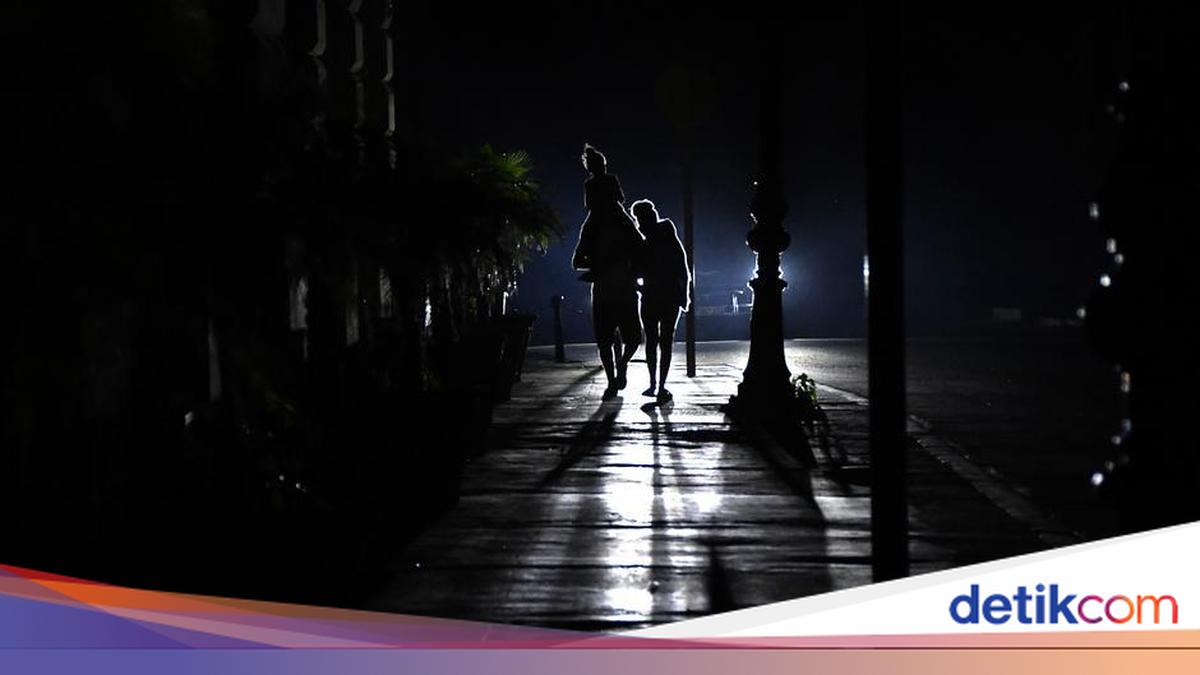
Cuba’s national electricity grid collapsed again on Monday, only hours after authorities began restoring supply following a nationwide blackout that occurred on Sunday around 11 p.m. local time. A day later, the government had reported progress in the restoration before the system failed once more in the afternoon.
State power company Unión Electrica (UNE) stated that the recovery process was disrupted by weather conditions affecting the transmission system and generating units that had been brought back online. By Monday evening, the government reported that some power plants and substations around Havana had been re-energised, but large parts of the country remained without electricity.
State television journalist Lázaro Manuel Alonso said the new disruption occurred whilst the restoration process was still underway. ‘There was a fluctuation that caused the system to collapse again,’ he said. UNE later explained that bad weather interfered with the transmission network as power was being restored. ‘During the recovery process of the National Electrical System, the prevailing weather conditions caused disturbances in the transmission networks, which directly affected the generating units that were in operation,’ UNE said in a statement broadcast by state media. By Monday night, authorities reported that four generating units at Energas Jaruco were back in operation and several substations around Havana were receiving power as part of the recovery effort.
Amid the blackout, many residents sought refuge from the high temperatures by spending the night along the Malecón, Havana’s famous seafront promenade. Construction worker Alexey Ríos García, 30, said he woke up on the concrete of the Malecón with the sea breeze after deciding to sleep outside. ‘The situation is only getting worse. Tomorrow the system will collapse again… and we will be back sleeping on the Malecón,’ he said, using a piece of yellow foam as a pillow. Physical education teacher Elaine Delis Ramos also spent the night by the sea with her family. ‘Every time we start to hope that the electrical grid won’t collapse again, it happens again. We have no solution,’ she said. Other residents spent the night on balconies or porches to escape the heat, with temperatures reaching 34 degrees Celsius and humidity around 80 percent on Sunday, making it feel even hotter.
The latest blackout follows three national grid failures within nine days in July. Energy authorities also reported two national grid collapses in March, along with several partial blackouts in various regions. The repeated outages have disrupted households, businesses, and public services in the country of about 10 million people. In many areas, rolling blackouts now last more than 20 hours a day. Residents spend hours trying to obtain fuel and basic necessities, and they worry about frozen food supplies spoiling due to the lack of power. The tourism sector, once a key source of income, is reportedly deteriorating further. Fuel shortages have also disrupted public transport in Havana, while hospitals are attempting to install solar panels to maintain services during blackouts.
The persistent energy crisis has sparked differing views on its causes. The Cuban government argues that decades-old US sanctions and trade restrictions have limited the country’s access to fuel, financing, and spare parts needed to maintain the electrical system. The US government, meanwhile, contends that the blackouts reflect the failure of the state-run economic model. The Associated Press reported that Sunday’s nationwide blackout was the sixth since the Trump administration effectively cut off oil supplies to Cuba in January, a policy that has worsened the country’s long-standing crisis. Meanwhile, Cuba’s fleet of thermal power plants, most of which are decades old, suffers repeated breakdowns due to fuel shortages and maintenance problems, leaving the grid increasingly vulnerable to disruptions and complicating recovery efforts after each blackout.