
Cuban Military Seen as Weak If the US Attacks
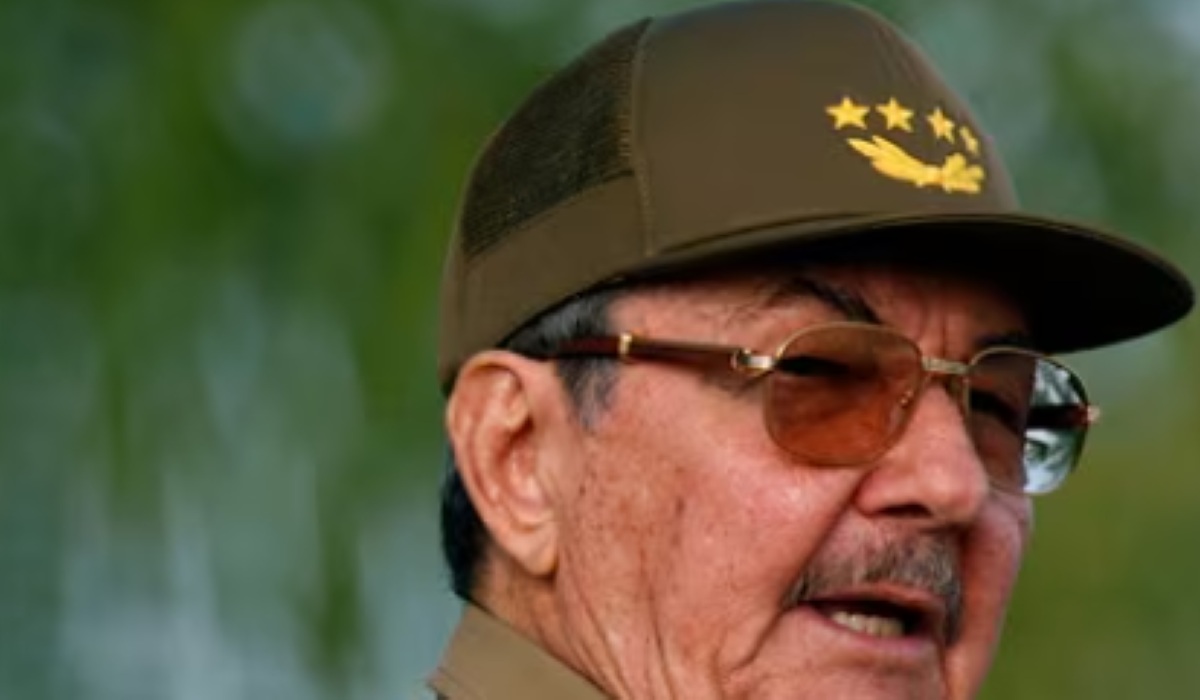
The Cuban military, which at the height of the Cold War deployed tens of thousands of trained troops from Angola to Syria, is now but a shadow of its former glory. As the United States sends an aircraft carrier to the Caribbean as part of a pressure campaign against the island’s communist government, Cuba’s defence forces are reported to be in a worrying state.
Until the collapse of the Soviet Union, Cuba had an army of more than 200,000 personnel. Today, active troops have shrunk drastically to around 40,000 to 45,000. The Cuban Air Force, once regarded as one of the best in Latin America with Soviet MiG fighters, now has only a handful of aircraft that are probably no longer airworthy.
“Cuba used to have a first-rate military in a developing country,” said Frank Mora, a former defence official in the Obama era. “Now the military is just a shell of its past and has little chance against the United States’ military power.”
Although analysts assess Cuba’s military strength as weakened, the Trump administration has taken a different view. In January, Trump signed an order declaring Cuba an extraordinary threat to US national security. Washington accuses Havana of allying with terrorist groups and global rivals such as Russia and China.
This month, tensions have escalated after the US indicted former President Raúl Castro, 94, on murder charges and imposed new sanctions on Cuba’s military leadership. In addition, intelligence reports cited by Axios say Havana has acquired 300 drones that could be targeted at Guantánamo Bay or Key West, Florida, if an attack occurs.
US Secretary of State Marco Rubio accuses Cuba of hosting intelligence bases for China and Russia. “Having a failed state run by our enemies is only 90 miles from our coast and is a national security threat,” Rubio said.
Facing a possible invasion, Cuban President Miguel Díaz-Canel warned that US military action would trigger bloodshed with incalculable consequences. Cuba relies on the defence doctrine known as the War of All the People, conceived by Fidel Castro in 1980.
In national defence drills, state television often shows elderly residents training with old AK-47 rifles and civilians laying minefields. There are even records showing ox-drawn carts used to haul artillery due to fuel shortages.
A prolonged economic crisis and a blockade on oil shipments have crippled Cuba’s military mobility. National power outages occur daily and the streets of Havana appear deserted due to fuel shortages. Experts note that while Cuba lacks offensive capabilities, it would rely on guerrilla tactics to survive if an invasion were to occur. (WSJ/I-2)
The US Department of Justice is expected to announce criminal charges against Raúl Castro related to the 1996 shoot-down of a Brothers to the Rescue aircraft. US officials have signalled other potential steps.
The indictment of Raúl Castro has sparked speculation of a similar military operation to detain Nicolás Maduro in Venezuela. The United States plans to prosecute former Cuban President Raúl Castro in connection with the 1996 incident, amid a fuel blockade and regime-change efforts.