
Cuban Military Considers Attacking the US with Drones from Iran and Russia
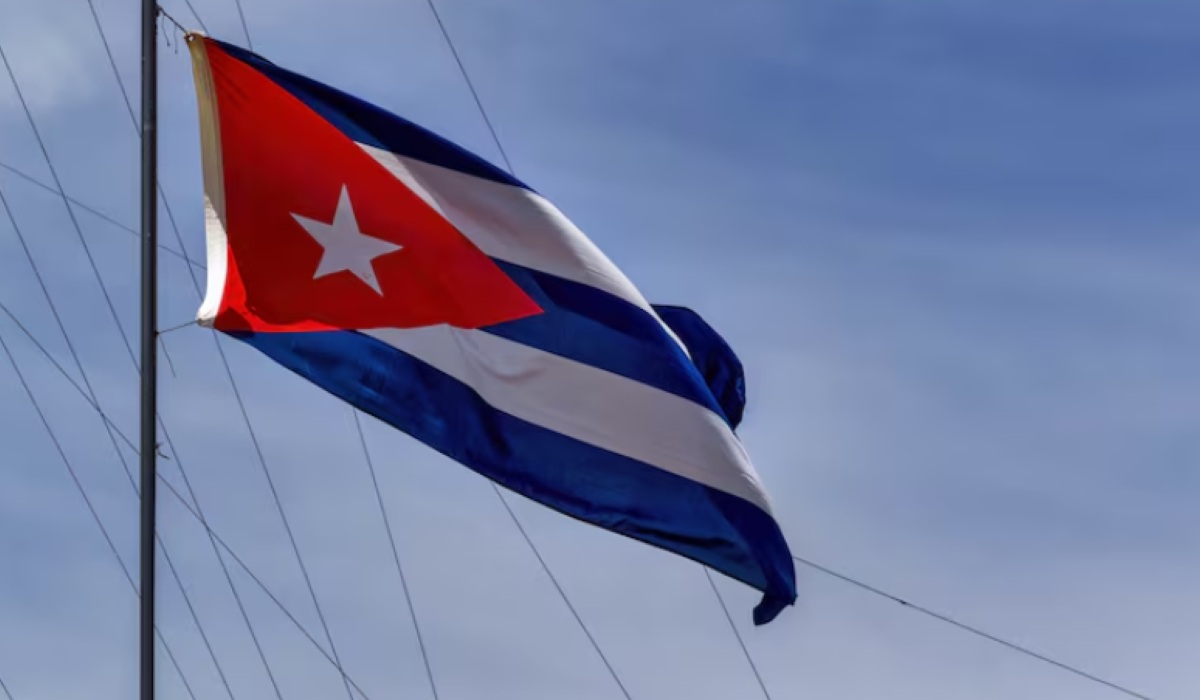
Tensions between the United States and Cuba have escalated to a new high. An Axios report alleges that over the past three years, Cuba has acquired around 300 military drones from Iran and Russia. The move has prompted Washington to warn that Havana could be planning attacks on US interests in retaliation for an oil blockade that has crippled the island’s electricity grid.
The report suggests that US ships, or even the Key West area in Florida—just about 90 miles (roughly 144 kilometres) north of Havana—could be potential targets. ‘When you think of this technology so close to our shores, it is deeply troubling. This is a growing threat,’ a US official said.
CIA Director John Ratcliffe was reportedly on an unexpected trip to Cuba on Thursday to deliver a firm message. A CIA official said the mission was to clarify that Cuba must not be used as a platform by enemies of the United States to advance hostile agendas in the Western Hemisphere.
‘The Western Hemisphere must not become a playground for our adversaries,’ the official added. The concerns in the US were triggered by Cuba’s increasing efforts to obtain more drones and other military equipment from Russia in recent months.
US Secretary of Defence Pete Hegseth also stressed the urgency of the situation during a congressional hearing on Tuesday. ‘We have long worried that foreign enemies using a location so close to our shores is highly problematic,’ Hegseth said.
In response to the allegations, the Cuban Embassy issued an official statement defending their sovereignty. ‘Like any nation, Cuba has the right to defend itself from external aggression. This is self-defence and is protected by international law and the UN Charter,’ the statement read.
Havana accused the US of intentionally creating the pretext and spreading lies to justify military aggression. They argued that the military preparations are a logical step in facing potential attacks from those seeking to destroy the Cuban nation.
Peter Kornbluh, a scholar of US–Cuba negotiation history, called Ratcliffe’s mission a ‘do or die’ offer that Cuba could not publicly refuse, underscoring the irony given the long history of intelligence confrontation between the two countries. Amid these military tensions, the Cuban people continue to face a severe energy crisis caused by the oil embargo, triggering blackouts and worsening the economy. If tensions continue to rise, the risk of a physical confrontation in the Florida Straits becomes a real threat to regional stability.