
Cuba Faces Fuel Emergency Amid US Oil Blockade
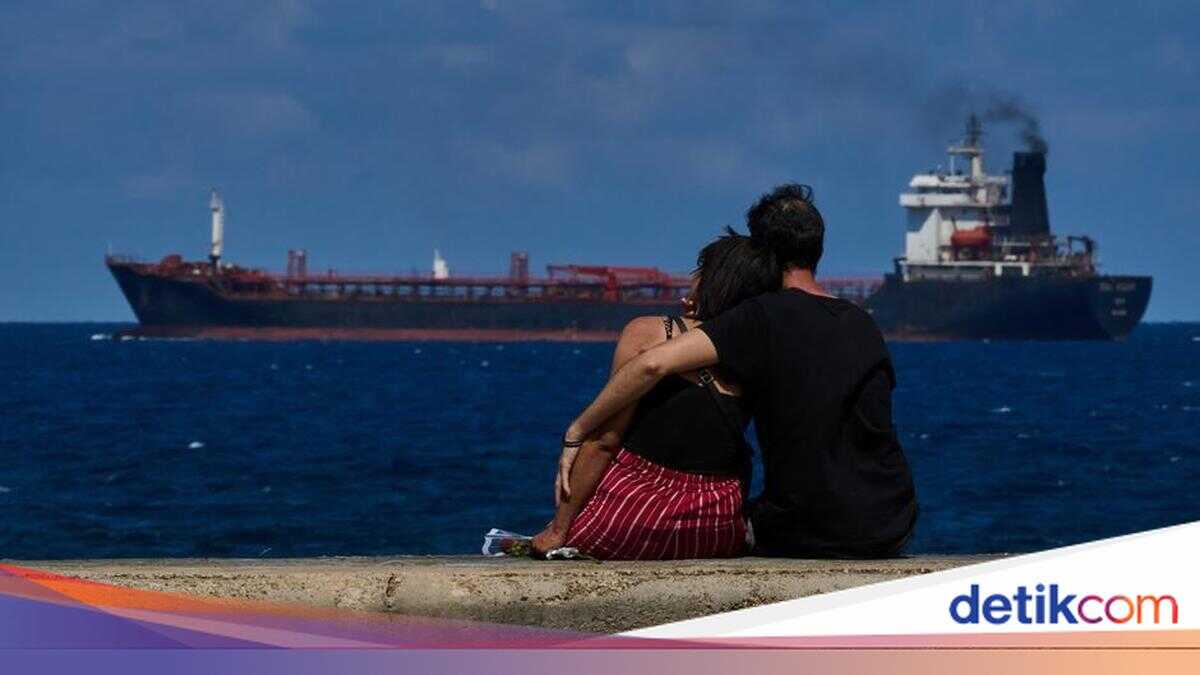
The final week of February was supposed to serve as the stage for the Habanos Festival — its 26th edition — an annual ritual drawing collectors, distributors and tobacco magnates from around the world. Yet on Saturday (14 February), Habanos S.A., the global monopoly holder for Cuban cigars, announced the event had been postponed. The stated reason sounded formulaic: maintaining “the highest quality standards”. No new date was given. No certainty offered.
The island nation of 11 million people is in the grip of prolonged power outages and its most severe fuel crisis in recent years. The government has imposed strict austerity measures: hotels have been temporarily shuttered, tourists relocated to conserve energy, and public transport curtailed. Even aviation fuel has run critically low; three Canadian airlines cancelled flights after being unable to refuel at Cuban airports. Other carriers continued flying — but with stopovers in the Dominican Republic to fill their tanks.
This energy crisis did not emerge in a vacuum. In late January, US President Donald Trump threatened tariffs against any nation selling oil to Cuba. Washington described the measure as part of a pressure campaign to compel Havana to undertake political and economic reforms.
Cuba imports approximately 60 per cent of its energy requirements. For years, the communist state relied on supplies from Venezuela and Mexico. However, shipments from Caracas ceased following US military operations that toppled Nicolas Maduro, accompanied by heightened scrutiny of Venezuela’s oil industry. Mexico likewise halted supplies in the wake of tariff threats from Washington.
Amid this pressure, state enterprise Tabacuba attributed the festival postponement to a “complex economic situation” caused by the “economic, commercial and financial blockade” intensified by the United States.
A city reeking of refuse
The most visible impact is not confined to convention centres but is evident on the street corners of Havana.
Cardboard, plastic bags, used bottles and rags pile up on the pavements of the coastal capital. Flies swarm and the stench of rotting food pervades the air. State media reported that only 44 of 106 refuse lorries remain operational due to diesel shortages. Waste collection has ground to a near halt.
“It has been more than 10 days since a rubbish lorry came,” said Jose Ramon Cruz, a local resident. “There is rubbish everywhere.”
Residents in other cities have taken to social media to voice concerns about health risks. The government has implemented rationing to maintain essential services amid shortages of food, fuel and medicines.
The US embargo against Cuba has been in place for more than half a century. Yet in recent months, the Trump administration has tightened sanctions — targeting oil tankers bound for Cuba and threatening tariffs on suppliers. Washington characterises these measures as political pressure. The United Nations has repeatedly called for the embargo to be lifted, whilst Mexico and Venezuela have warned of humanitarian consequences should fuel supplies be blockaded.
UN: End the blockade
In Geneva, the Office of the UN High Commissioner for Human Rights made clear it was no longer speaking in terms of statistics, but of lives. The voice of Volker Türk, the UN High Commissioner for Human Rights, was conveyed through his spokesperson, who emphasised that Washington’s restrictions on oil supplies to Cuba are not merely deepening the country’s socio-economic crisis but dragging the Caribbean nation to the brink of humanitarian tragedy.
Hospitals — where lives depend on machinery and energy — now face fuel shortages hampering intensive care units, emergency departments and even the storage of vaccines and temperature-sensitive medicines. “Policy objectives cannot be justified if the measures themselves violate human rights,” the statement read. The UN called for an end to the unilateral sanctions.
Amidst the turmoil, Madrid acted. The Spanish government announced it would channel humanitarian aid to Cuba through the UN system, comprising food and essential health products. The decision was announced following a meeting between the Spanish and Cuban foreign ministers on Monday (16 February).
Previously, Mexico had dispatched 800 tonnes of aid aboard two naval vessels.
Trump ‘offers’ a way out
President Donald Trump said on Monday (16 February) that Cuba had become a “failed state” and called on Havana to strike a deal with the United States. He dismissed suggestions that Washington was conducting a regime change operation.
“Cuba right now is a failed state,” the US leader told reporters aboard Air Force One.
However, when asked whether the United States would overthrow the Cuban government — as Washington did when it invaded Venezuela and captured President Nicolas Maduro — Trump replied: “I don’t think that will be necessary.”