
Cuba describes EAEU and BRICS as alternatives to Western world order
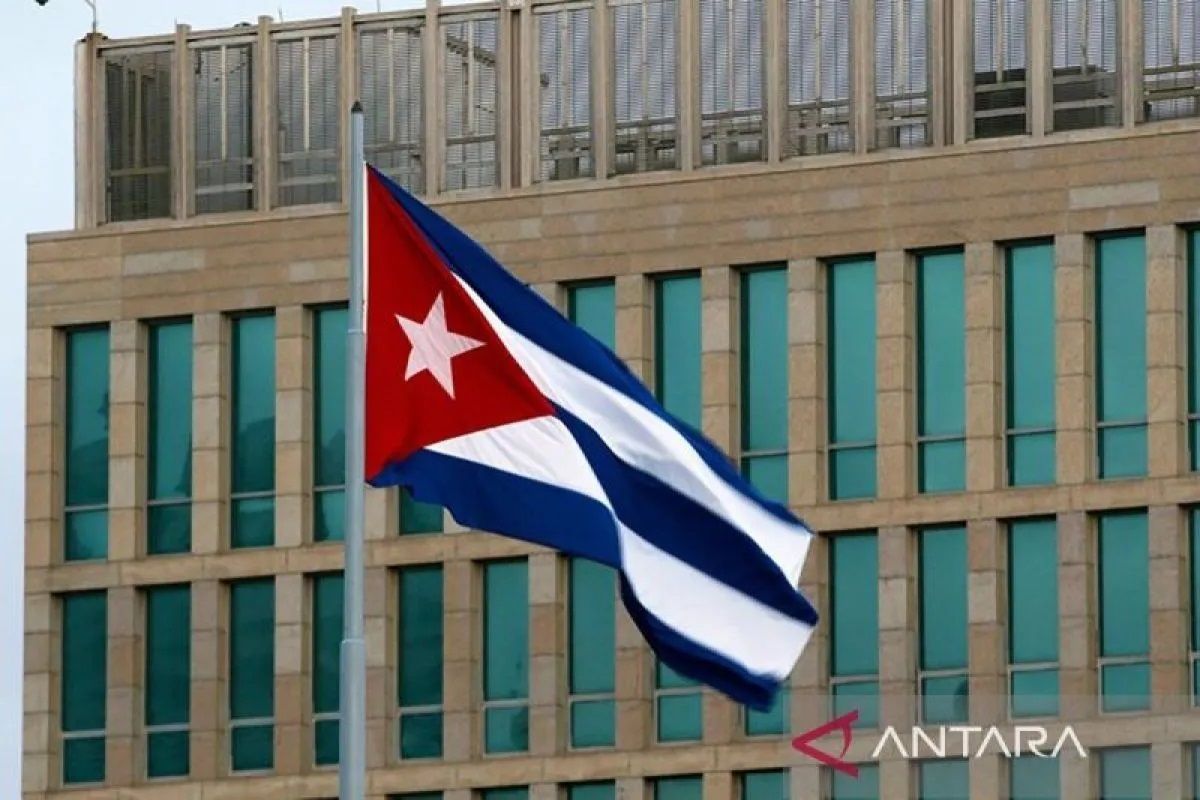
Havana (ANTARA) - The Eurasian Economic Union (EAEU) and the BRICS economic bloc of developing nations represent an alternative model of international relations based on respect for international law, national sovereignty, and mutually beneficial cooperation, stated Cuban Deputy Foreign Minister Anayansi Rodriguez.
“The EAEU and BRICS are associations of Global South nations, representing an alternative for cooperation and complementarity; an alternative that demonstrates that a better world is possible, based on international law and respect for international norms, including international trade norms,” Rodriguez told RIA Novosti.
She stated that the various activities of the EAE090U and BRICS demonstrate the possibility of building mutually beneficial relations between countries based on the principles set out in the UN Charter, including non-interference in the internal affairs of other nations and respect for the sovereignty, independence, and territorial integrity of states.
“They build their relationships not on the basis of ideological alliances, but on the basis of cooperation, friendly relations, and complementarity between our nations and economies,” said Rodriguez.
Cuba has also established cooperative and friendly relations with all EAEU member states as well as BRICS members and partners.
BRICS is an intergovernmental association founded in 2006. Following Brazil, Russia, India, China, and South Africa, BRICS was joined by Egypt, Ethiopia, Iran, and the United Arab Emirates (UAE) in 2024, with Indonesia set to become a full member in 2025.
Cuba has also proposed that the Mariel Special Development Zone could be utilised as a logistical bridge between the EAEU, BRICS, and the nations of Latin America and the Caribbean.
“Cuba’s Mariel Special Development Zone has great potential to become a logistics hub, which could serve as a bridge between EAEU or BRICS countries and Latin America and the Caribbean,” Rodriguez noted.