
CSIS: Coal Production Decline Pressures Electricity Supply and National Exports
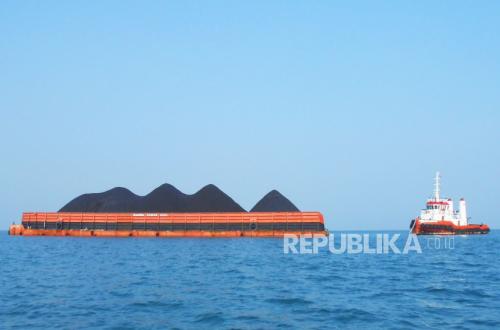
The Executive Director of the Centre for Strategic and International Studies (CSIS), Yose Rizal Damuri, has assessed that the current electricity blackouts are not solely caused by technical issues, but are linked to a decline in coal production impacting national energy supply. Yose stated the blackouts occurred due to limited coal supply for power plants, both those owned by PT PLN and private independent power producers (IPP). “Coal production last year, according to the Ministry of Energy and Mineral Resources (ESDM), reached 790 million tonnes, down from 836 million tonnes in 2024,” Yose said in a written statement in Jakarta on Tuesday (23/6/2026). On the other hand, domestic coal demand continues to rise and is largely met through the domestic market obligation (DMO) scheme, including for power generation. Yose explained that although production fell, DMO realisation actually increased from 232 million tonnes in 2024 to 246 million tonnes last year. “As a result, exports have experienced a decline since early 2025 and this has continued until now,” Yose said. According to Yose, the downward production trend has the potential to continue following the restructuring through the Work Plan and Budget (RKAB) set by the Ministry of ESDM. In the RKAB, the coal production target is set at around 600 million tonnes, a drop of about 24 percent compared to last year’s realisation. Meanwhile, the DMO target only increased slightly to 248 million tonnes. Yose assessed that this policy narrows the flexibility for coal producers in running their businesses. He conveyed that several coal producers are currently halting production because they have not yet obtained RKAB approval. Although the government has provided relaxation to allow production to continue, uncertainty regarding coal business prospects is still considered high. “This certainly becomes a consideration for producers to continue their activities,” he said.