
Crypto Heist Sees Rp114 Trillion Vanish from Binance
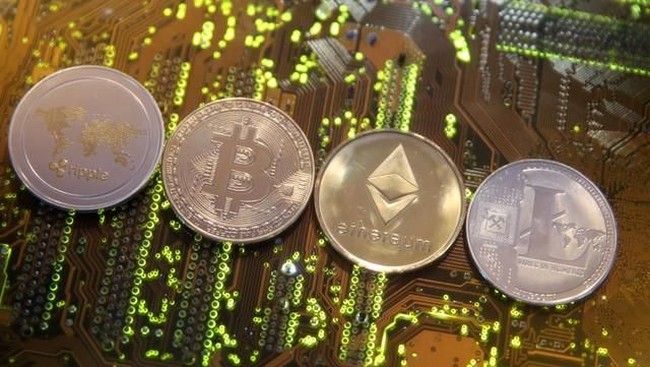
Jakarta – A major cyberattack has shaken the cryptocurrency industry after assets worth US$6.3 billion, or around Rp114 trillion, were stolen from Binance, the world’s largest crypto exchange. The theft, described as one of the biggest in digital-asset history, is suspected to have involved an elite North Korean hacking group.
The incident immediately caused concern in crypto markets. Several digital currencies fell after news of the theft emerged. Binance temporarily suspended withdrawals while it addressed the attack and checked the security of users’ assets.
Binance said it would cover all losses arising from the incident. The company is also working with industry partners and law-enforcement agencies to trace and freeze the stolen assets.
Around US$3 billion (Rp54 trillion) of the missing funds was reportedly recovered and frozen quickly by several stablecoin issuers, including Tether, Circle and World Liberty Financial, a company backed by US President Donald Trump.
“This is a complex attack, and we are doing everything possible to address it in coordination with law enforcement,” Binance wrote in a post on X.
Binance said customers’ funds remained safe and that efforts to recover the assets were continuing. It estimated that withdrawals could resume in about 45 hours. However, it has not provided further details about the remaining US$3.3 billion that has not been recovered.
Suspected North Korean hackers
An analysis by US blockchain security firms TRM Labs and Chainalysis found similarities between the attack on Binance and several previous major hacks suspected of being carried out by North Korea.
TRM Labs said the attackers gained control of a digital wallet Binance used to store assets, then transferred funds from it to several wallets under the hackers’ control.
The method was said to resemble the 2025 attack on crypto exchange Bybit, which the US Federal Bureau of Investigation concluded had been carried out by North Korean actors.
“TRM attributes this attack to an elite North Korean hacking unit,” the firm said in an analysis published on its website.
Both TRM Labs and Chainalysis said they were highly confident that North Korea was behind the attack.
For years, North Korea has been accused of using state-linked cyber groups for espionage, financial theft and revenue generation. The North Korean government has consistently denied the allegations.
Described as the biggest hack in history
Binance co-chief executive Richard Teng said the company would use its own funds to cover all losses from the incident.
“Your funds are safe and we will cover every loss,” Teng wrote on X.
He added that the company’s internal investigation had so far not identified the party or individual responsible for the attack.
Aravind Srinivasan of crypto liquidity provider GSR described the incident as “the biggest hack in history”.
The impact was felt immediately in digital-asset markets. Bitcoin briefly hit a six-week low of US$76,368. Ether fell by more than 3 per cent to US$2,178, its lowest level in two months, before markets began to stabilise.
BNB, a token launched by Binance that can be used to pay transaction fees on its platform, also fell by around 5 per cent in 24 hours to US$709.70, according to CoinGecko data.
Shares in companies linked to the crypto industry also came under pressure. Coinbase Global fell 4.8 per cent, although the company said it was not directly affected by the Binance incident. MicroStrategy, known for its substantial Bitcoin holdings, fell nearly 6 per cent in after-hours trading in the US.
Attack may have started with an engineer’s hacked laptop
In its preliminary investigation, Binance said the attack may have begun with the hacking of one of its engineers’ laptops. This could have enabled the attackers to access an internal company system and make unauthorised withdrawals.
“Our security team is tracing the entire attack path through the compromised computer, which may have been the entry point for this incident,” Binance said.
The company later said its investigation had also identified several other points of compromise.
Mark Karpeles, the former head of Tokyo-based Bitcoin exchange Mt. Gox, also offered an analysis of the incident. He said the hackers may have obtained the private keys to at least two Binance crypto wallets.
In his view, Binance appears to have divided asset storage across several separate systems, limiting the attack to some of the company’s assets. Even so, the incident represents a major loss for the crypto industry.
The stolen amount exceeds Binance’s protection fund
Binance is one of the world’s largest digital-asset trading platforms, with around 335 million registered users globally. According to its 2025 annual report, the company manages about US$162.8 billion in user assets.
To protect customer funds against security breaches, Binance maintains a fund called the Secure Asset Fund for Users (SAFU), which includes a US$1 billion Bitcoin reserve.
The value of the assets stolen in this incident, however, far exceeds the size of that protection fund.
Several stablecoin issuers have also taken steps to restrict the movement of assets linked to the hack. Tether said it had frozen nearly US$1.57 billion in related assets, while Circle froze more than US$800 million.
World Liberty Financial also worked with custodian BitGo to freeze affected funds.
Binance co-founder Yi He said that US$27 million in stablecoins and around US$2 million in World Liberty tokens had been frozen. Crypto company Ripple was also reported to have frozen about US$200 million in assets.
Crypto investors’ confidence questioned again
The Binance hack adds to a growing list of digital-asset thefts that have shaken the crypto industry. TRM Labs data show that hackers stole US$2.9 billion in crypto assets through nearly 150 attacks during the previous year.
In September, crypto platform Bitget also reported the theft of digital assets worth around US$350 million. A succession of incidents has further highlighted the industry’s vulnerability to cyberattacks.
Analysts say the consequences of the Binance hack are not limited to potential financial losses; it could also undermine investor confidence in centralised exchanges.
Tim Sun, a senior researcher at Hong Kong-based HashKey Group, said the incident could dampen investor appetite for risky assets and prompt customers to reassess the security of funds held on crypto trading platforms.
Cristiano Ventricelli, vice-president of digital assets at Moody’s Ratings, said the industry’s long-term exposure would depend on the final scale of the losses, who was affected and whether the assets could be recovered.
The key question, he said, is whether the incident will trigger wider disruption or lead to a loss of confidence in the digital-asset ecosystem as a whole.
Source: jawawa.id (https://jawawa.id/newsitem/crypto-heist-sees-rp114-trillion-vanish-from-binance-1793425861)
Originally published by CNBC Indonesia (https://www.cnbcindonesia.com/tech/20261031085148-37-781116/modus-maling-bobol-rekening-uang-rp-114-triliun-lenyap-seketika), translated from Indonesian