
Crude Oil Prices Begin to Slump 2% Below US$100/Barrel
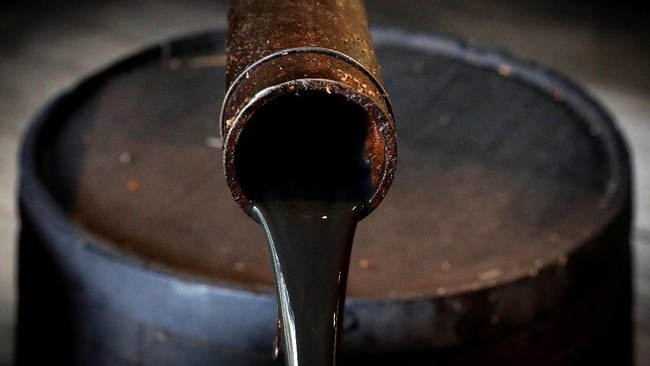
Global crude oil prices closed lower by approximately 2% in trading on Friday (25/09/2026). The decline occurred amid increasing hopes for a potential ceasefire between the United States and Iran, which could potentially alleviate energy supply disruptions in the Middle East.
Quoting Refinitiv, Brent crude prices fell 2.14% to US$104.32 per barrel. Meanwhile, West Texas Intermediate (WTI) crude weakened by 2.33% to US$92.41 per barrel. Over the course of the week, Brent gained 0.43%, while WTI plummeted by 7.87%.
Pressure on oil prices emerged after US and Iranian negotiators in New York were reported to be discussing gradual steps to end the conflict.
One of the key issues in the discussions is the potential reopening of the Strait of Hormuz by Iran. The strait is a vital artery for global energy trade.
According to sources familiar with the talks, the reopening of Hormuz could be linked to several measures, including the lifting of US economic blockades against Iran.
However, Tehran is said to maintain a hardline stance regarding its nuclear programme. A senior Iranian official told Reuters that Iran would not show flexibility on this issue, even if the US accepts the proposal to reopen the Strait of Peril.
“The market continues to assess the possibility of diplomatic developments towards the reopening of the Strait of Hormuz,” wrote analysts at Ritterbusch and Associates in their notes.
Expectations for the normalisation of the situation have subsequently driven investors to reduce the geopolitical risk premium previously embedded in oil prices.
Amid the positive sentiment from diplomatic channels, the oil market still faces the risk of supply disruptions from the Middle East.
The Houthi group in Yemen, allied with Iran, was reported to have launched attacks against Saudi Arabia once again. These attacks are a point of concern for the market, as Saudi Arabia is one of the world’s largest oil producers and exporters.
Military leaders from Saudi Arabia, Turkey, and Pakistan are scheduled to discuss support for Riyadh in facing the Houthi attacks.
If the attacks expand and disrupt Saudi energy infrastructure or export routes, the risk of supply disruptions could once again drive up oil prices.
However, preliminary tracking data from Kpler shows that the flow of crude oil passing through the Strait of Hormuz remains relatively stable.
In the week beginning 20 September, approximately 33.7 million barrels of crude oil were recorded exiting through the strait, relatively unchanged compared to the previous week.
Before the conflict with Iran broke out, approximately 20% of the world’s oil supply was known to pass through the Strait of Hormuz.
Source: jawawa.id (https://jawawa.id/newsitem/crude-oil-prices-begin-to-slump-2-below-us-100-barrel-1790405459)
Originally published by CNBC Indonesia (https://www.cnbcindonesia.com/research/20260926104927-128-771139/harga-minyak-mentah-mulai-ambles-2-ke-bawah-us-100-barel), translated from Indonesian