
Cross-ministerial collaboration key to protecting children with disabilities in schools
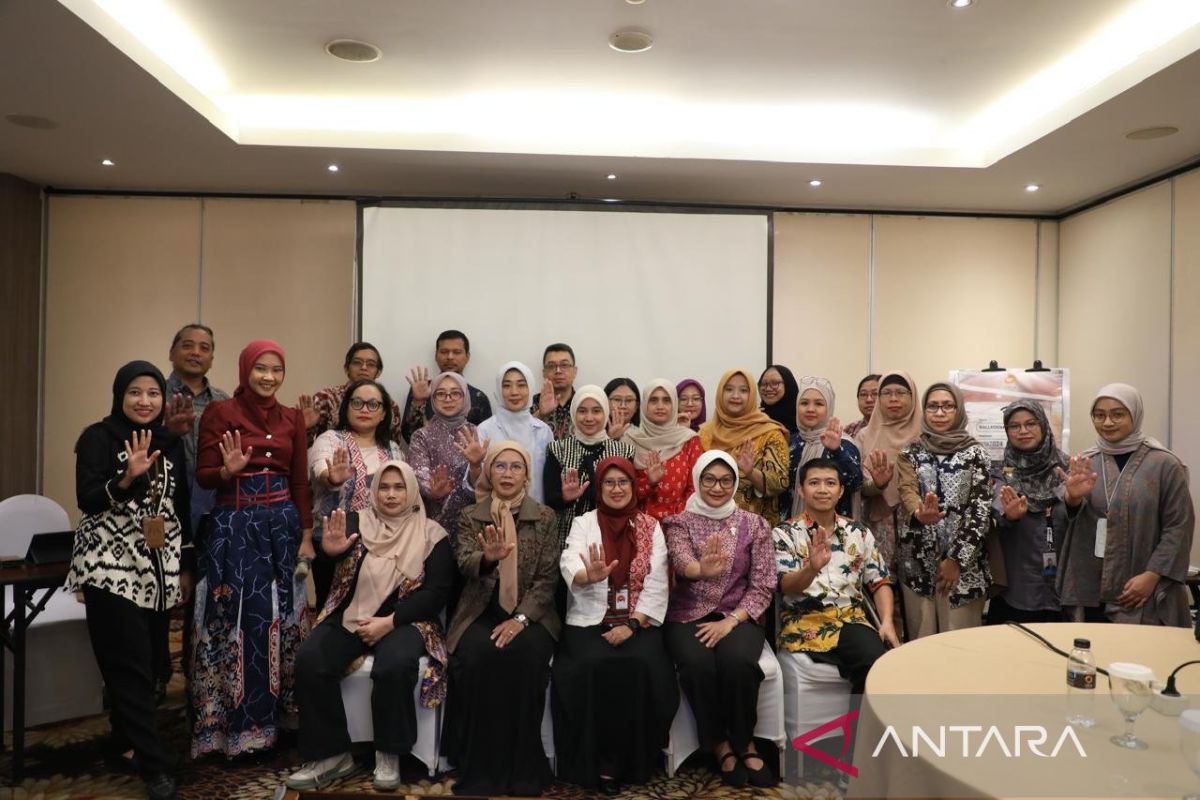
The Ministry of Women’s Empowerment and Child Protection (KemenPPPA) has stressed the importance of cross-sector collaboration between ministries and agencies in creating educational units that are safe and free from violence for children with disabilities.
“Cross-sector collaboration needs to be carried out to strengthen the protection of children with disabilities in various fields, including strengthening educational units that are safe, comfortable, inclusive and free from violence,” said Assistant Deputy for Child Protection in Special Conditions at KemenPPPA, Susanti, in Jakarta on Tuesday.
She made the remarks during a Technical Guidance activity on Strengthening the Prevention of Violence against Children with Disabilities in Educational Units.
According to her, educational units are among the institutions targeted to receive advocacy on violence prevention.
Educational units, as spaces for children to learn, develop and build social relationships, should be able to provide a sense of safety and comfort.
“Unfortunately, violence against children still occurs in educational units,” she said.
“This condition is a shared challenge for all of us. The approach provided is not sufficient if it is limited to ensuring that children with disabilities can access education alone, but rather ensuring that children are truly safe, protected and receive support when facing the risk of violence. This protection effort cannot be carried out by a single institution alone, but requires an interconnected system through cross-sector collaboration.”
Fulfilling access to health services according to children’s needs also needs to be a focus of attention.
Protection in the digital space and inclusive disaster preparedness need to be strengthened to address the various vulnerabilities faced by children with disabilities.
“These vulnerabilities occur because children with disabilities have barriers related to communication, then limitations in terms of information and services, dependence on others, stigma and discrimination, as well as an environment that is not yet fully inclusive. This creates a risk for them to experience violence,” said Susanti.
According to her, efforts to strengthen prevention are necessary given that children with disabilities still face various vulnerabilities that can increase the risk of experiencing violence, both in educational units and in daily life.