
Crocodile Findings Reveal New Mystery; Method for Calculating Dinosaur Age Requires Revision
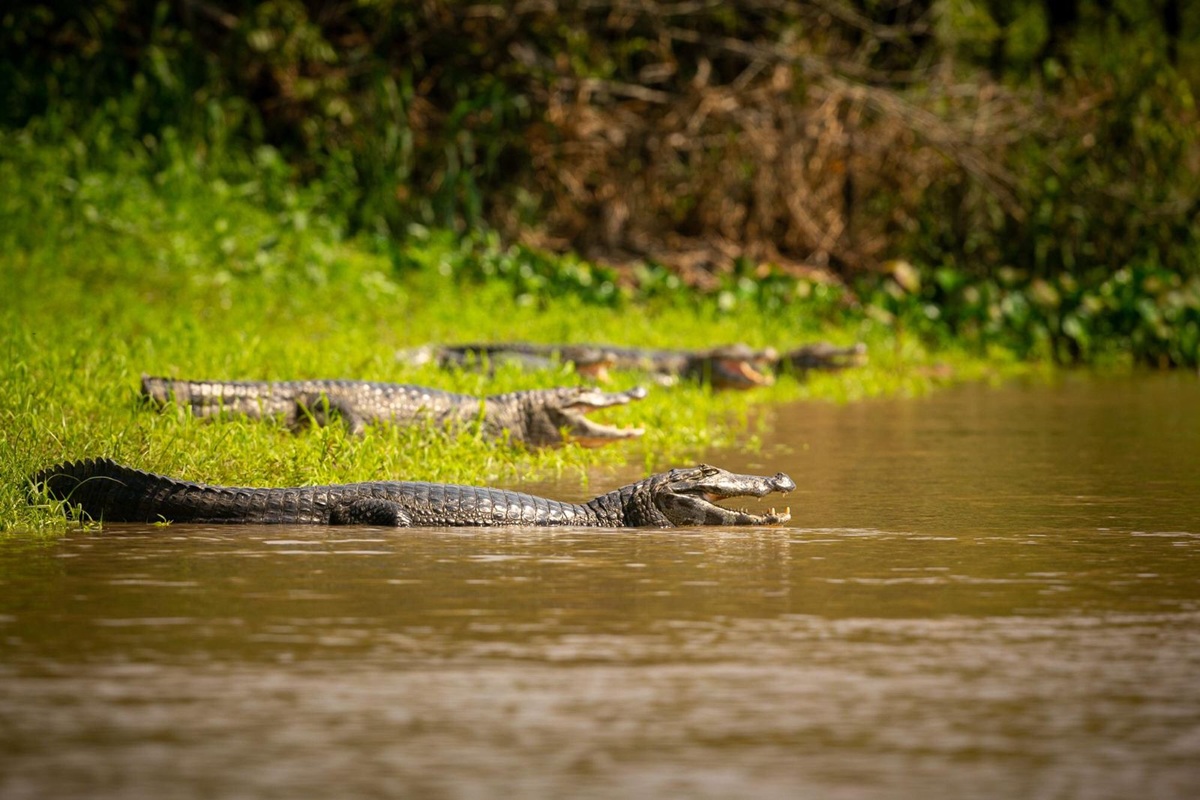
Recent research on crocodiles has opened new perspectives in palaeontology. These findings suggest that the method currently used to estimate dinosaur age may require reconsideration. This research stems from the biological similarities between modern crocodiles and prehistoric reptiles, including dinosaurs, which both belong to the archosaur group.
Until now, scientists have estimated dinosaur age through analysis of growth rings in bones, similar to counting tree rings. This method relies on annual growth lines known as lines of arrested growth (LAGs). However, studies of crocodiles reveal that the formation of these rings does not always occur consistently every year.
Research involving species such as Crocodylus niloticus found that environmental factors such as temperature, food availability, and habitat conditions can influence the formation of growth lines. In some cases, crocodiles can form more than one ring per year, or may not form rings at all during certain periods.
This finding is significant because scientists have previously assumed that dinosaurs had relatively stable growth patterns. If this assumption is not entirely accurate, then current dinosaur age estimates could be biased.
According to studies published in academic journals such as Proceedings of the Royal Society B, variations in LAG formation in modern reptiles demonstrate that age interpretation based on bone structure must consider physiological and environmental factors more comprehensively.
Additionally, this research highlights that reptile metabolism and growth patterns may be more flexible than previously believed. This opens the possibility that some dinosaur species may have grown at non-uniform rates, depending on the environmental conditions of their habitat.
The implications of these findings are considerable. Beyond affecting estimates of individual dinosaur ages, they impact understanding of life cycles, growth rates, and population dynamics in prehistoric times.
Researchers now advocate for multidisciplinary approaches, including chemical analysis of bones and ancient environmental modelling, to obtain more accurate age estimates. With this approach, it is hoped that reconstructions of dinosaur life can become closer to actual conditions.