
Critical minerals will determine global economic competitiveness
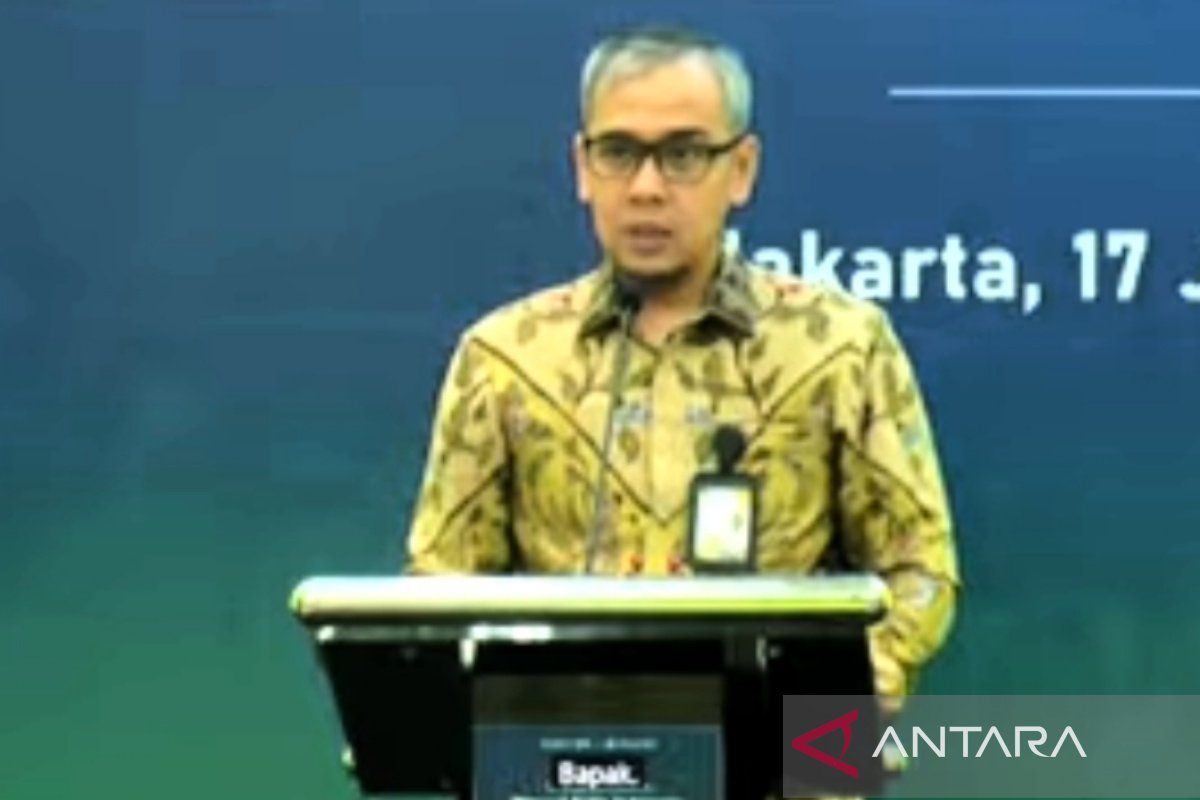
Jakarta (ANTARA) - The Ministry of Energy and Mineral Resources (ESDM) has stated that critical minerals will determine global economic competitiveness, meaning Indonesia must manage its mineral and coal resources optimally, sustainably, and with added value. “Critical minerals will be one of the main determinants of global economic competitiveness in the future,” said Cecep Mochammad Yasin, Director of Mineral Business Development at the Directorate General of Minerals and Coal (Ditjen Minerba), Ministry of ESDM, in Jakarta on Wednesday. According to him, the world is currently in a period of highly dynamic change, where geopolitical tensions, global supply chain disruptions, climate change, and the acceleration of the energy transition have fundamentally altered the global energy and mineral landscape. He stated that in the current situation, energy security is no longer solely about energy availability, but also a nation’s ability to control the strategic resources that form the foundation of future technologies. Additionally, the country has tin reserves equivalent to 22 years of production at 65,000 tonnes per year, making Indonesia the owner of the second-largest tin reserves in the world. “Furthermore, we have the fourth-largest bauxite reserves in the world, as well as sufficient copper, gold, silver, and iron,” Cecep said during his remarks at the Critical Minerals Dialogue organised by Indef. According to him, Indonesia also possesses the largest coal reserves in the world, which still play an important role in maintaining national energy security. “Global trends show a shift in the structure of energy demand. Demand for critical minerals such as lithium, cobalt, graphite, copper, and rare earth elements will continue to increase until 2040 to support the development of electric vehicles, batteries, renewable energy, and modern electricity grids,” he added.