
Crisis of Batik Peranakan Regeneration: Young People Prefer Factory Jobs
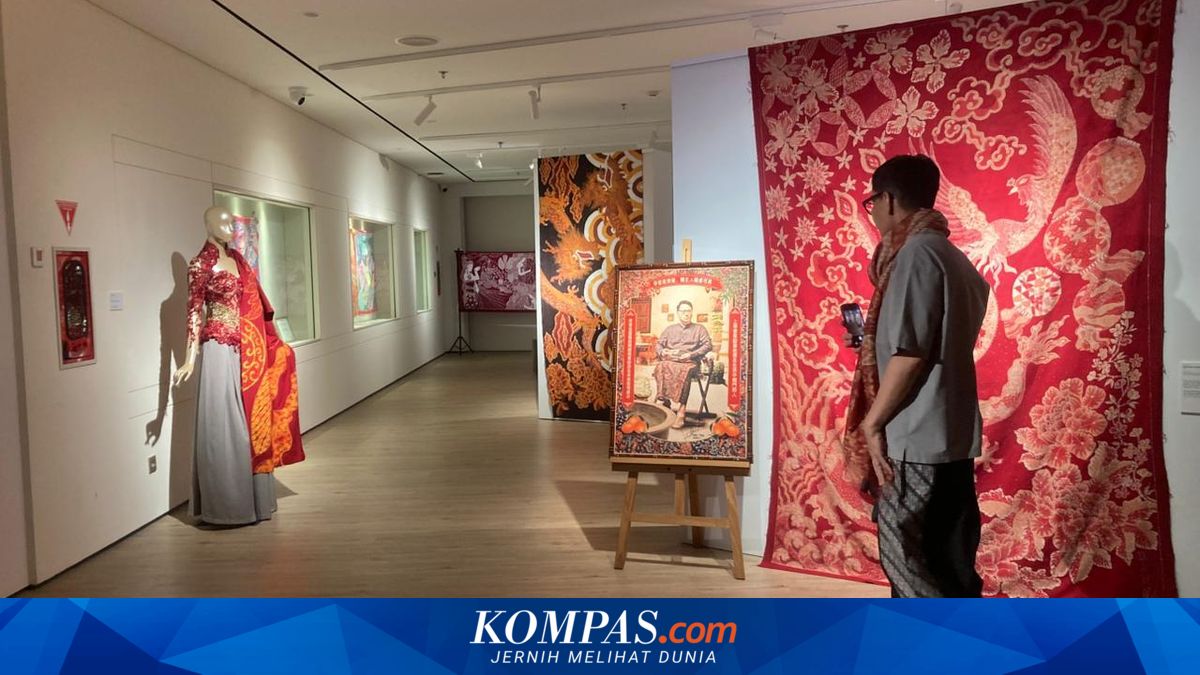
JAKARTA, KOMPAS.com - The preservation of Nusantara batik, especially Peranakan Chinese batik, now faces a major challenge. The primary threat does not come from shifts in fashion trends, but from the lack of successors.
This issue of regeneration crisis was one of the highlights amid the lively exhibition of Peranakan Chinese batik “Metamorfosa” on the 8th floor of Menara Kompas, Jakarta.
The harsh reality of the younger generation’s reluctance to continue this handicraft tradition is felt acutely on the Cirebon coast, West Java. The skilled artisans who are still active are mostly entering their twilight years.
“My batik makers are on average almost 60, 56, 55, 58 years old, and it’s very sad that there are no young ones,” said Giok, a batik maker from Cirebon and owner of Batik Kanoman, during the talkshow “Celebrating Peranakan Batik in Indonesia” at the venue on Saturday (11/4/2026).
She even made strenuous efforts to fund the schooling of her apprentices so they would be willing to batik professionally. However, those efforts vanished as they chose to quit after trying briefly.
They consider the factory worker profession far more enjoyable because, according to them, it involves minimal mental pressure and no high concentration required.
“They say it’s better to work in a rattan factory than batik. Because in a rattan factory you can haha-hehe, but batik requires mungkur (focused bending down),” Giok explained.
The various works exhibited in “Metamorfosa”, including those from Batik Kanoman, indeed demand extraordinary physical and mental endurance.
The process of applying hot wax at night using a canting requires a high level of patience. An imbalance in a craftsperson’s emotions is believed to directly ruin the beauty of the fabric’s motif arrangement.
This high-pressure condition feels even heavier, especially for creating the characteristic Cirebon pakem. The tembokan merawit technique requires batik makers to meticulously cover fine space lines without any breaks.
This crisis in the number of veteran batik makers is also linked to economic pressures that once burdened the industry.
The difficult situation during the Covid-19 pandemic a few years ago forced many skilled batik makers to pivot in search of financial certainty.
Source: jawawa.id (https://jawawa.id/newsitem/crisis-of-batik-peranakan-regeneration-young-people-prefer-factory-jobs-1775976647)
Originally published by Kompas (https://lifestyle.kompas.com/read/2026/04/12/131000420/krisis-regenerasi-batik-peranakan-anak-muda-pilih-kerja-di-pabrik?utm_source=ABC&utm_medium=rss), translated from Indonesian