
Crisis in Strait of Hormuz Causes Sharp Surge in Ship Insurance Premiums
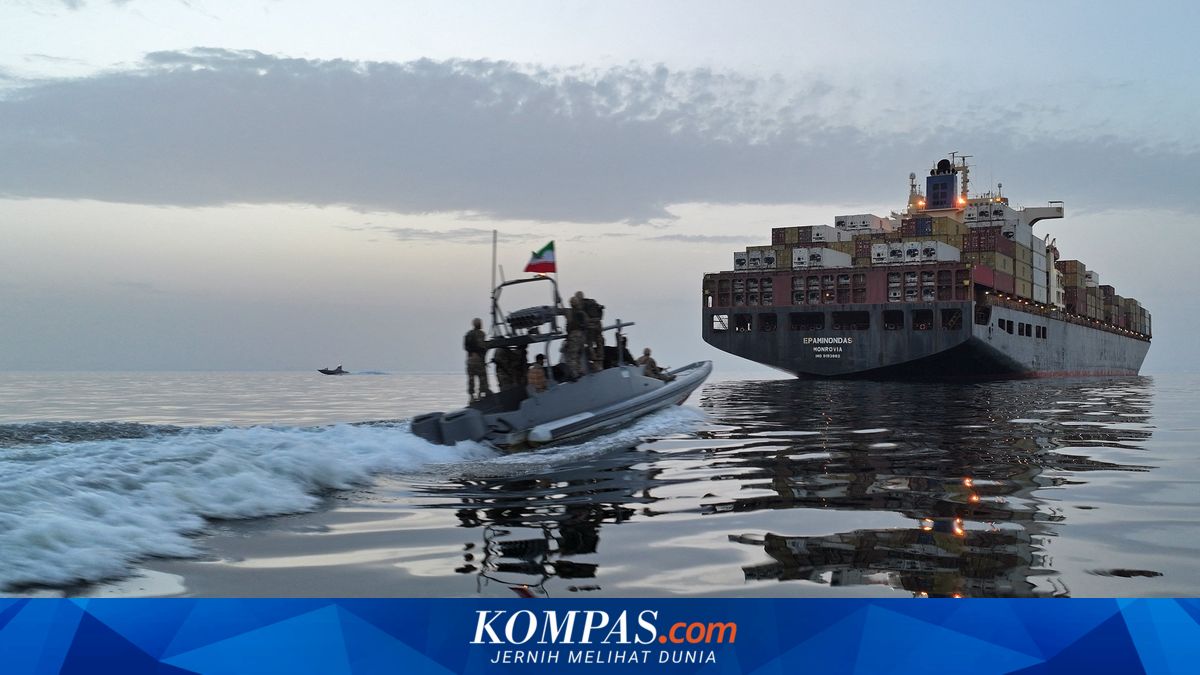
The Strait of Hormuz continues to pose a high-risk route for the global shipping industry more than two months after the Iran war broke out. The unstable security situation has caused ship insurance costs to surge sharply. Professor of supply chain management at the University of Texas, Ed Anderson, stated that war risk insurance premiums have now risen from under 1% to 3% to 10% of the value of the goods being transported. According to him, many shipping companies still consider the Strait of Hormuz too dangerous, even though some ships have begun to pass through again. “Transporting a few ships actually does not affect the shipping industry at all,” Anderson said. Two ships managed to pass through successfully. However, Trump halted those operations two days later to allow room for diplomacy to end the Iran war. Despite a lull in the conflict, security threats in the region have not subsided. French shipping company CMA CGM Group reported that one of its container ships was damaged in an attack while attempting to cross the strait. Threats from Iranian fast boats and drones are also making ship operators remain cautious. “In the end, everything will come back to the main issues of risk and safety,” said maritime lawyer Sean Pribyl from Holland & Knight in Washington DC. “It seems we are not yet close to conditions of smooth traffic and navigation through the strait,” he added. Traffic has now slowed sharply after Iran required ships to undergo inspections by the Islamic Revolutionary Guard Corps (IRGC) before being granted permission to sail. Ships are also asked to take routes close to the Iranian coast, submit crew and cargo data, and in some cases pay certain fees. Payments to the IRGC could potentially violate US and EU sanctions, which have designated the group as a terrorist organisation. US Joint Chiefs of Staff Chairman General Dan Caine said there are more than 1,550 ships with around 22,500 sailors still in the Persian Gulf. Various vital commodities are also stuck in the area, including crude oil, fertilisers, and other energy products.