
Crisis Deepens as Phone Sellers Reveal the Facts
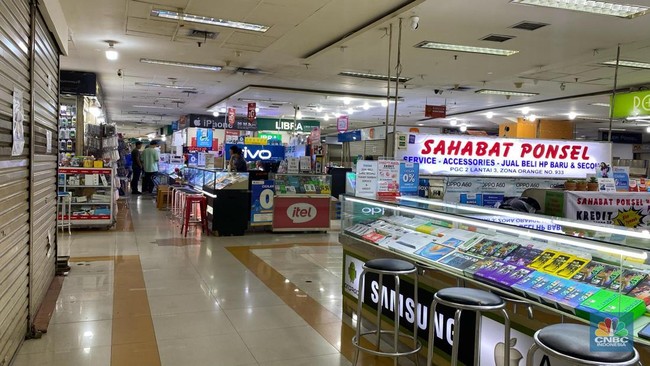
Jakarta, CNBC Indonesia — A memory-component crisis is putting increasing pressure on the technology industry. Apple has reported unprecedented rises in memory prices.
The situation has prompted the company to increase its component inventories and make additional purchasing commitments to secure supplies.
In its fiscal fourth-quarter results, Apple reported that inventory rose 31.1% to US$14.54 billion, from US$11.09 billion in the third quarter. Compared with the same period a year earlier, Apple’s inventory surged 154.3% from US$5.72 billion in the fourth quarter of 2025.
The increase was primarily linked to the company’s efforts to stockpile components, particularly computer memory, amid supply pressures and rising prices.
Apple chief executive John Ternus said current memory-price increases were unprecedented.
“What we’re seeing in memory prices right now is unprecedented,” Ternus said at a conference with analysts, as quoted by TechCrunch on Wednesday (4 November 2026).
He said Apple had already felt the rise in memory costs in the September quarter compared with the June quarter. However, some of the impact was offset by gains from components the company already had in inventory, as well as lower costs for certain non-memory components.
Apple expects memory costs to rise further in the December quarter. The company is seeking to offset the pressure through price increases on several devices introduced during the year.
These increases included some Mac and iPad models at the end of June, and iPhones in September.
Ternus also expects memory costs to continue rising beyond the December quarter.
Global smartphone shipments plunge
According to Counterpoint, global smartphone shipments fell sharply by 20% year on year in the third quarter of 2026. This was the lowest level for a third quarter since 2012.
The research firm said the industry’s downturn was driven by a surge in memory-chip costs and a worsening shortage of components, which is squeezing handset manufacturers.
Memory prices have risen amid strong demand from artificial intelligence infrastructure projects, which are buying up chip supplies on the global market.
As a result, production costs have soared, forcing manufacturers to take drastic measures: raising retail prices, cutting shipment volumes and prioritising profitability over sales growth.
“Consumers are holding back and using their devices for longer than expected. Many are beginning to consider refurbished phones or opting for higher-value devices,” said Counterpoint senior analyst Shilpi Jain.
Counterpoint expects the pressure on the smartphone industry to persist in the near term.
“The outlook through the end of 2026 remains challenging,” Counterpoint said in its report.
The firm said production cuts, simpler product portfolios and a stronger focus on premium devices are expected to continue.
Meanwhile, price-sensitive market segments will face mounting pressure from expensive devices and limited component supplies.
Source: jawawa.id (https://jawawa.id/newsitem/crisis-deepens-as-phone-sellers-reveal-the-facts-1793850669)
Originally published by CNBC Indonesia (https://www.cnbcindonesia.com/tech/20261105085718-37-782485/krisis-makin-parah-pedagang-hp-beberkan-faktanya), translated from Indonesian