
Criminal law expert in NTB DPRD gratification case explains evidence
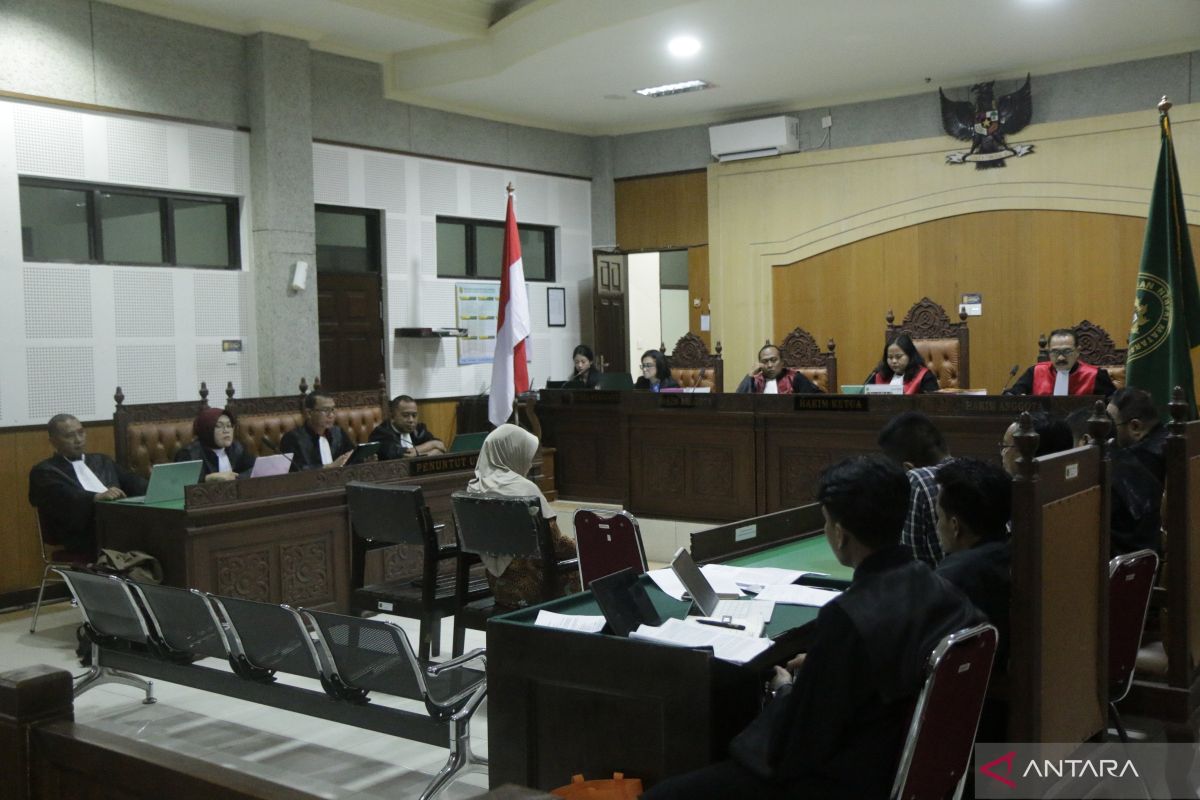
Mataram — A lecturer in criminal law at Brawijaya University, Lucky Endrawati, explained the provisions on evidence in the case of gratification involving three legislators at the session of the Corruption Court of Mataram on Wednesday. In the proceedings, Lucky stated that the new Article 235 KUHAP sets out eight categories of admissible evidence in the process of proving a criminal case. ‘Under the new Article 235 KUHAP, the admissible forms of evidence include eight types,’ Lucky told the panel of judges. She explained that the evidentiary materials comprise witness testimony, expert testimony, documents, the defendant’s statements, physical evidence, electronic evidence, judicial observations, and other legally obtained evidentiary items. According to her, meeting the minimum of two pieces of evidence can already meet the elements of criminal proof. The defence counsel for the defendant then asked the public prosecutor to present money evidence strengthening the supposition of gratification against the three defendants. The prosecutor argued that evidence need not be money itself, but could be the recipient’s confession or evidence of money deposited transfer. In addition to explaining the evidence, Lucky also outlined the elements of gratification as set out in Article 605(1) of Law No. 1 of 2023 on the Penal Code. He said that giving something to a state official with authority already satisfies the gratification element without needing to consider the purpose of the gift. ‘The condition is that the recipient holds an office, and there is a gift or promise of something,’ he said. He added that Article 605(1) of the Penal Code can stand alone and does not have to be proven cumulatively with other elements by referring to Article 605(2) of the Penal Code. ‘Under its provisions, it is possible that the recipient is not proven,’ he said. Based on the facts of the trial, a number of councillors who were recipients have already confessed before the panel of judges under oath to the act. They testified, detailing from the role of the giver to the process of receiving gratification money. The three defendants who acted as givers in the form of cash are members of the council. They are Indra Jaya Usman, Hamdan Kasim, and Muhammad Nashib Iqroman, who are no longer in detention. Nevertheless, the three defendants in the continued trial were observed appearing before the panel chaired by Dewi Santini.