
Criminal Investigation Agency Tests Gold Bars Seized in Illegal Mining Money Laundering Case
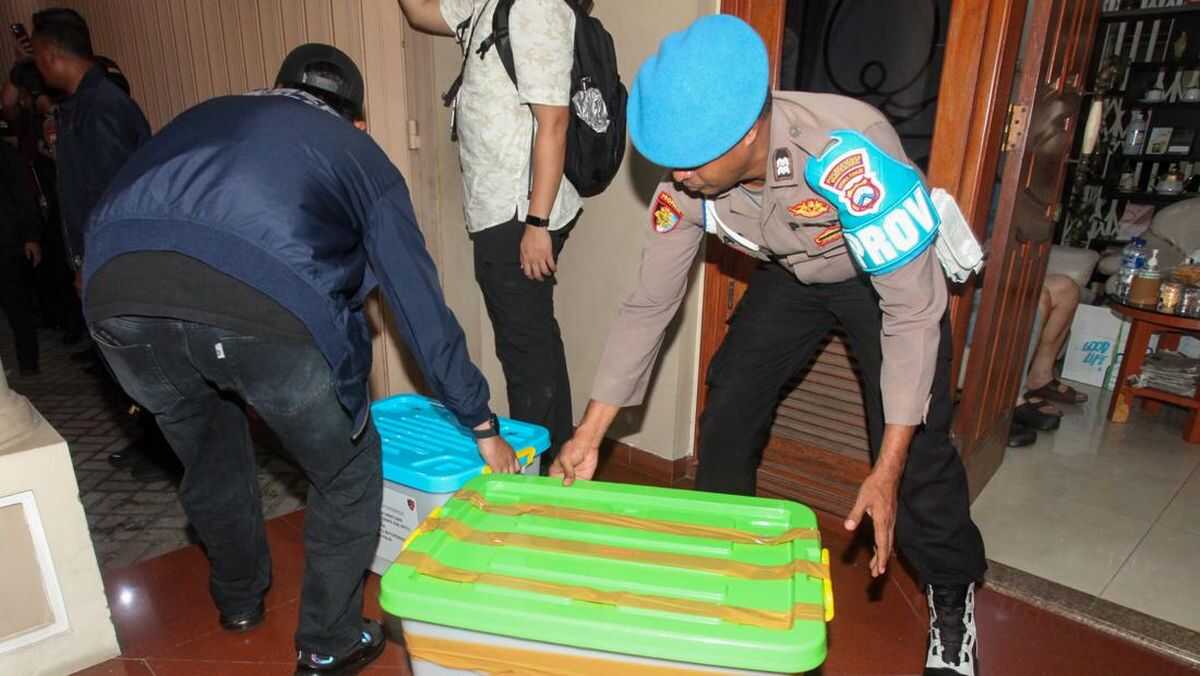
The National Police’s Criminal Investigation Agency (Bareskrim) is still testing gold bars seized during searches of gold shops connected to suspected money laundering offences linked to unlicensed mining operations (PETI).
Director of Special Economic Crimes at Bareskrim, Brigadier General Ade Safri Simanjuntak, said the testing was being conducted to determine the quality and total quantity of gold discovered by investigators.
“We will provide an update on the total amount seized — it is currently still undergoing testing and weighing,” he said when contacted via text message on Saturday (21 February).
Bareskrim previously seized a total of four boxes containing gold bars during searches at three locations on Thursday (19 February).
Ade Safri explained that the case was the result of further investigation into illegal gold mining operations in the West Kalimantan region during the 2019–2022 period, which had already been adjudicated by the Pontianak District Court.
“Based on the findings of the investigation into the predicate offence and the trial proceedings, the flow of illegal gold shipments and the movement of criminal proceeds from unlicensed mining to several parties were identified,” he said in a written statement.
He said investigators had been working with the Financial Transaction Reports and Analysis Centre (PPATK) to trace the flow of funds in the case. Moreover, he noted, PPATK data indicated that the total value of gold trading transactions from illegal mining during the 2019–2025 period reached Rp25.8 trillion.
Regarding the modus operandi, Ade Safri said that gold purchases originating from illegal mines were conducted partially or entirely through gold refining companies and export firms.
“It is hoped that the handling of this case will serve as a deterrent for perpetrators of illegal mining crimes, as part of efforts to protect environmental sustainability and prevent state financial losses,” he concluded.