
Creator of Ride-Hailing Services Lays Off 3,000 Employees, Citing Unique Reasons
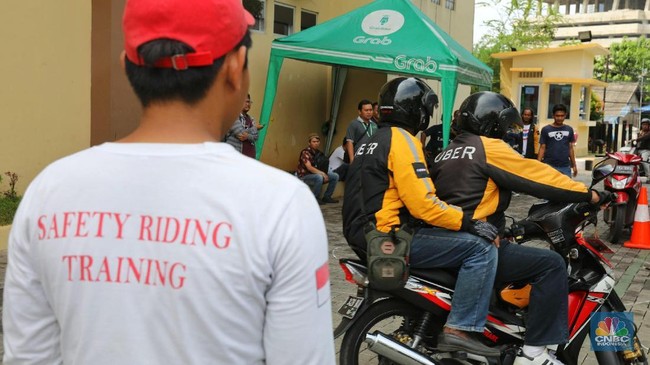
Uber, the pioneer of on-demand services such as ride-hailing and online taxis, has announced the layoff of up to 10% of its total workforce. The decision to let go of approximately 3,000 employees is not due to AI, a reason frequently cited by many other companies during layoffs.
The layoffs at Uber are intended to simplify management layers and cut costs. CEO Dara Khosrowshahi stated that the move is designed to create more capacity for the company’s future investments.
“The changes being made today are designed for two things: to make Uber simpler and faster, and to create more capacity to invest in the future,” he explained, as quoted from CNBC International on Thursday (3/9/2026).
These investments include a previously announced plan of over US$10 billion for autonomous vehicles over the coming years.
The reductions include small teams consisting of one to two subordinates being reduced by almost half. Similarly, there will be a 20% reduction for those positioned seven levels below the CEO.
According to Khosrowshahi, Uber has outgrown many of its structures given its current company size.
Uber will also merge more teams, including centralising more employees in offices such as New York and San Francisco. Only about 1% of employees will be permitted to work remotely.
He explained that this streamlining will result in clearer ownership, as well as faster decision-making.
“As well as more time spent building rather than coordinating,” he added.
Uber was founded in 2009 and began operations in San Francisco in May 2010. The company is considered a pioneer of on-demand transport services, a business model later adopted by Gojek and subsequently Grab in Indonesia.
Uber entered Indonesia in 2014. At its launch, Uber served Jakarta’s central business districts, such as Kuningan and Sudirman, with four-wheel vehicle services. In response to competition from Gojek and Grab Bike, Uber also introduced motorcycle taxi services for users in Indonesia.
However, competition in Southeast Asia and Indonesia proved far more intense than anticipated. Uber had to compete with local and regional players who possessed a deeper understanding of local consumer habits.
In March 2018, Uber ultimately decided to withdraw from the entire Southeast Asian region, including Indonesia. Its entire operation was sold to Grab in exchange for a 27.5 per cent stake in the company. Uber’s application officially ceased operations in Indonesia on 8 April 2018.
Eight years after leaving Indonesia, Uber has returned to the spotlight with its global organisational streamlining. While Uber previously lost the regional market competition and chose to withdraw, it is now choosing to streamline its structure to refocus on major strategic goals.
Source: jawawa.id (https://jawawa.id/newsitem/creator-of-ride-hailing-services-lays-off-3-000-employees-citing-unique-reasons-1788432962)
Originally published by CNBC Indonesia (https://www.cnbcindonesia.com/tech/20260903130847-37-764637/pencipta-ojol-phk-3000-orang-alasannya-beda-sendiri), translated from Indonesian