
Creative Industry Makes Restorative Economy Relevant for Society
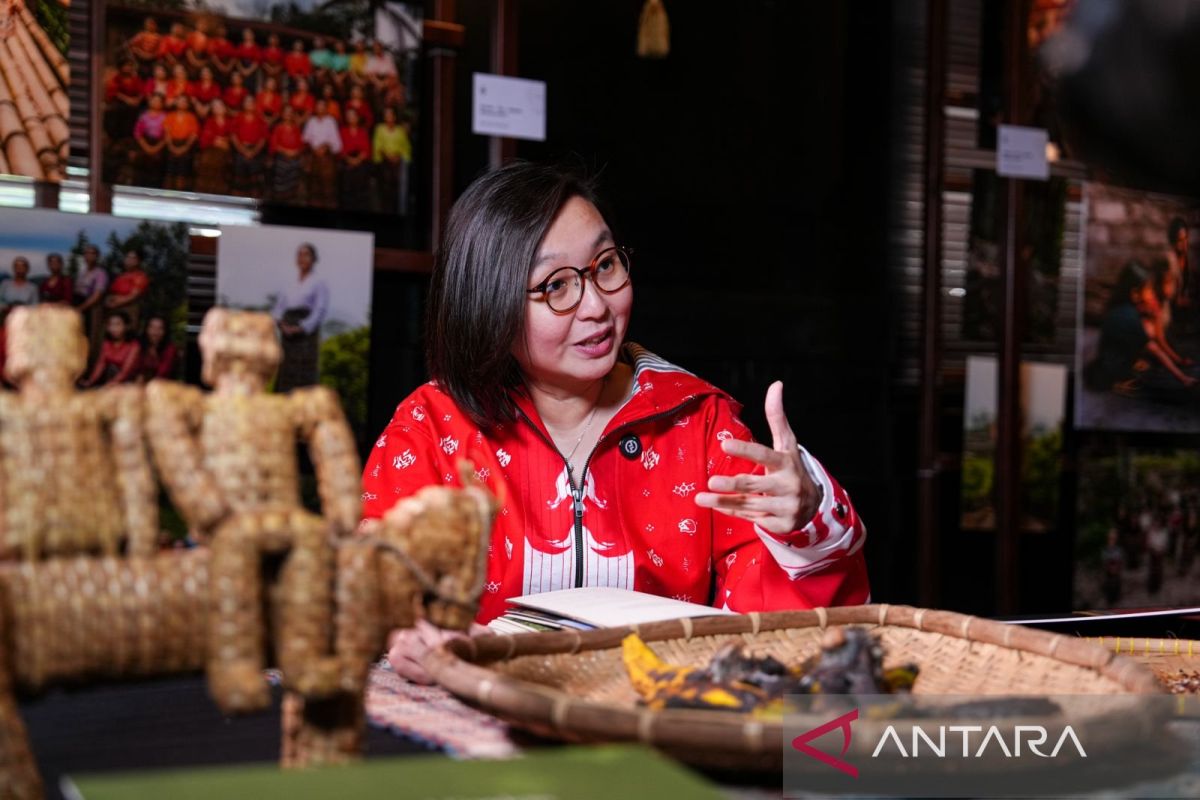
Jakarta (ANTARA) - Deputy Minister for Creative Economy (Wamen Ekraf) Irene Umar views the creative industry as playing a role in making restorative practices relevant to society through innovation, collaboration, and production to marketing processes that are not exploitative.
“From before the storytelling, there is the production of goods in a non-extractive manner, how the goods are packaged, how the goods are marketed to consumers. This is an unbreakable chain,” Irene said in a statement received in Jakarta on Saturday.
During the Kunstkring Dialogue discussion forum on the restorative economy, the Deputy Minister affirmed the Ministry of Creative Economy’s commitment to promoting a restorative economy by strengthening the creative industry oriented towards sustainability, cultural preservation, and community empowerment.
Irene added that the restorative economy is a further step from the concept of sustainability. Its focus is no longer merely on reducing negative impacts on the environment. The creative economy is encouraged to help restore the environment, culture, and social ecosystems through economic activity.
In this regard, the creative economy plays a role in connecting restorative practices from production to marketing, making them easier for the public, especially the younger generation, to understand and implement.
During the dialogue, it was also emphasised that the restorative economy is a development approach that not only pursues economic growth but also restores the environment, preserves culture, and improves community welfare.
The ASIK framework (Alam/ Nature, Sejarah/ History, Imajinasi/ Imagination, and Kolaborasi/ Collaboration) is considered the foundation for developing regions by creating economic value while maintaining the resources and identity that are their main strengths.
“Innovation and collaboration are the future. Indonesia’s unique selling points in the creative economy lie in our culture and history. With that, we can define what the future looks like,” she said.
Indonesia is considered to have great capital in the form of creativity and imagination. The main challenge is not finding more resources, but rather strengthening collaboration among stakeholders so that regional potential develops sustainably.