
Creative! Housewives in Bantul Turn Wingko Waste into Bottled Beverages
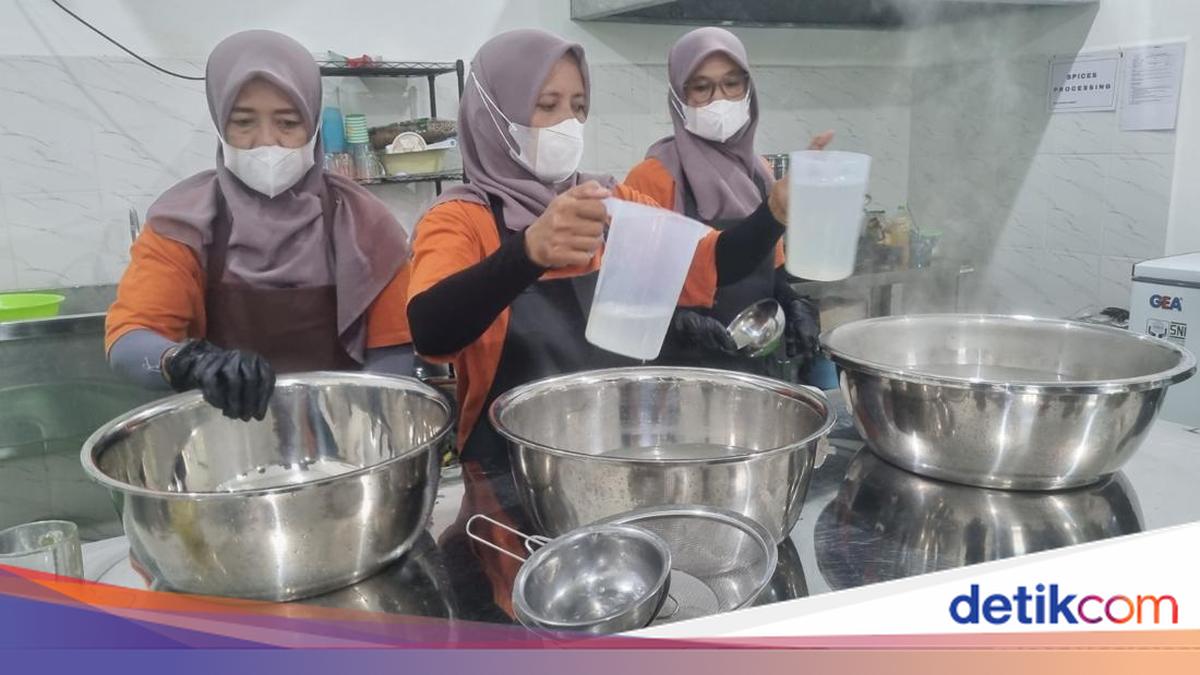
Residents of Cagunan, Trimurti, Srandakan, Bantul, are transforming waste from wingko production—coconut water—into bottled beverages. The business is now run by local housewives. At the production house, three women were seen pouring coconut water from used mineral water gallons into a large pan. They then boiled the water until it reached a rolling boil. Once boiling, they mixed in granulated sugar and squeezed lime juice. Shortly after, they poured the liquid into plastic bottle packaging. Sulastri, the head of Desa Preneur Trimurti, explained that the bottled drink is made from wingko waste. The idea to utilise the waste emerged after she noticed many wingko producers in Trimurti were not using their coconut water. ‘Then I saw that the coconut water was being bought cheaply by nata de coco producers,’ she told reporters in Trimurti, Srandakan, Bantul, on Friday (26/6/2026). From this, Sulastri took the initiative to buy the wingko waste, the coconut water, at a fairer price. She then spent 2024 learning how to process coconut water. ‘After mastering how to process coconut water, I thought of buying the wingko waste for Rp 10,000 to Rp 20,000 per gallon. Eventually, they agreed to sell it to me,’ she said. Subsequently, together with the women of Desa Preneur, Sulastri began producing bottled beverages from the wingko waste. The process involves first filtering the coconut water. ‘After filtering, we boil the coconut water until it boils. Then, once boiling, we add granulated sugar, because plain coconut water is not refreshing enough,’ she stated. After the coconut water cools, Sulastri adds the lime solution and stirs until evenly mixed. She then pours the liquid into plastic bottles. ‘Why is the coconut water heated first? Because if it is not heated, the coconut water only lasts about two hours,’ she said. The bottled drink itself only lasts for six hours at room temperature. Because of this, Sulastri operates a pre-order system, adjusting to demand. ‘Because it spoils quickly, we still use a pre-order system. We only have ready stock for certain events,’ she explained. One bottle of the drink is priced at Rp 10,000. For each production run, Sulastri uses a minimum of 15 litres of wingko waste. ‘As for turnover, I cannot disclose it because it depends on orders. But we once had an order for 1,000 bottles for a running event in Yogyakarta city,’ she said. Sulastri added that the production of this drink helps improve the community’s economy. ‘With the production of this drink from wingko waste, the housewives can earn an income,’ she concluded.