
Creative economy seen to play role in strengthening halal industry value chain
Many creative industry players have the opportunity to penetrate global markets through Indonesia’s halal certification, which is recognised internationally for its credibility.
The Ministry of Creative Economy/Creative Economy Agency (Kemenekraf/Bekraf) is encouraging the role of the creative economy in strengthening the halal industry ecosystem through the development of value-added products that are competitive in the global market.
The Minister of Creative Economy/Head of the Creative Economy Agency, Teuku Riefky Harsya, stated that strengthening the halal economy is closely linked to the development of the creative economy, particularly in creating products that not only meet consumer needs but also possess identity and added value.
“We believe that halal certification is not only related to religious aspects but also involves issues of health and lifestyle. Many creative industry players have the opportunity to penetrate global markets through Indonesia’s halal certification, which is known to be credible internationally,” Riefky said in a statement received in Jakarta on Saturday.
According to him, halal certification can serve as an instrument to strengthen the competitiveness of creative economy products when entering the global market. With this approach, creative economy players do not only act as part of the halal industry supply chain but can also produce products with added value through the strength of identity, creativity, and innovation.
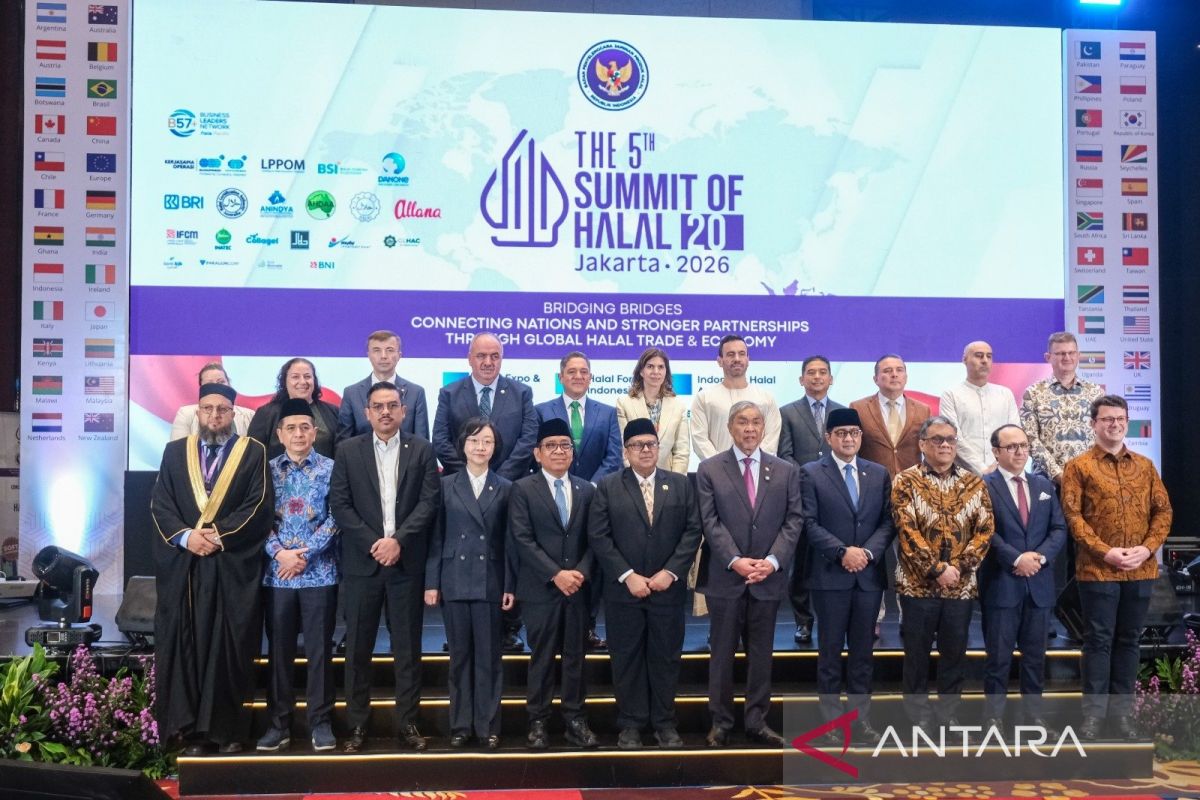
These opportunities are expanding alongside the growing global halal economy market. In the H20 2026 forum, Malaysia’s Deputy Prime Minister Datu’ Seri Ahmad Zahid Hamidi noted that Muslim consumer spending in six main sectors of the sharia economy reached approximately US$2.6 trillion in 2024 and is projected to increase to US$3.56 trillion by 2029.
The halal food sector remains the largest contributor, with spending valued at over US$1.33 trillion in 2024. However, the potential of the halal market is not limited to food products; it also encompasses pharmaceuticals, cosmetics, tourism, logistics, technology, and finance.
The vast scope of this market provides space for creative economy players to enter various links in the halal industry chain while developing products and services with added value.
Furthermore, the strengthening of certification and the mutual recognition of halal standards between countries are seen as ways to help businesses expand their access to international markets. The Coordinating Minister for Human Development and Cultural Affairs, Pratikno, stated that the mutual recognition of halal certificates between nations can reduce repetitive processes and make supply chains more efficient, while opening clearer pathways for small producers to enter international markets.
For the creative economy, such conditions present an opportunity to scale up businesses and bring Indonesian creativity-based products to a wider market. Kemenekraf assesses that strengthening the connection between the creative economy and the halal industry is a vital part of building an inclusive, transparent, and sustainable halal ecosystem.
Source: jawawa.id (https://jawawa.id/newsitem/creative-economy-seen-to-play-role-in-strengthening-halal-industry-value-chain-1789805033)
Originally published by Antara (Indonesian) (https://www.antaranews.com/berita/5748967/ekonomi-kreatif-dinilai-berperan-perkuat-rantai-nilai-industri-halal), translated from Indonesian