
Creative Economy Ministry pushes royal courts to drive culture-based creative economy
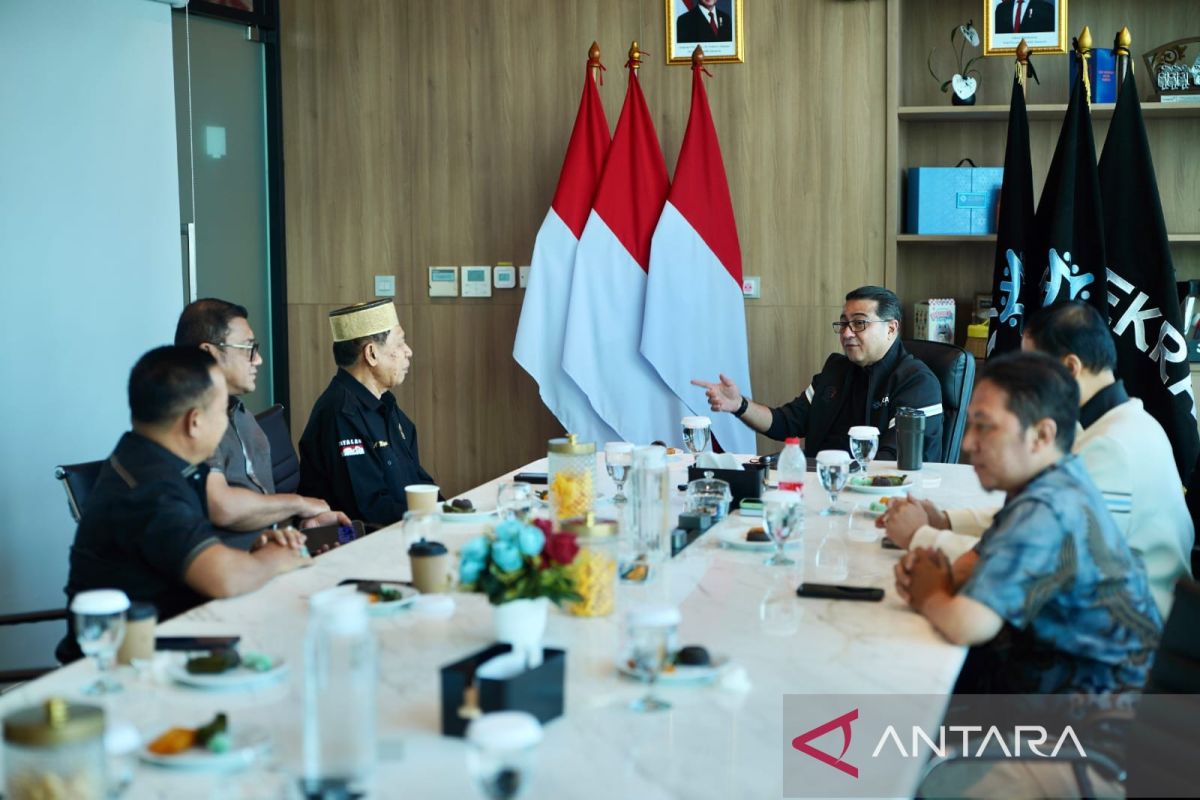
The cultural wealth possessed by royal courts and indigenous communities has significant economic potential if developed through the creative economy ecosystem, according to the Creative Economy Ministry (Kemenekraf).
Minister of Creative Economy/Head of the Creative Economy Agency Teuku Riefky Harsya said the cultural wealth of keraton and indigenous communities holds substantial economic potential when developed through the creative economy ecosystem.
“The Creative Economy Ministry sees keraton and indigenous communities as an important part of Indonesia’s cultural wealth that has the potential to be further developed through the creative economy ecosystem. Cultural preservation needs to go hand in hand with innovation so that traditional values remain alive while also providing economic benefits for the community,” Teuku Riefky said in a statement received in Jakarta on Saturday.
According to him, the development of this potential can be carried out through cross-subsector collaboration, ranging from performing arts, fine arts, crafts, fashion, architecture and design to culinary.
One of the opportunities discussed was the development of the ASEAN Royal Courts and Indigenous Communities Festival (FKMA). The festival is considered capable of providing a space to introduce the cultural wealth of Indonesian keraton and indigenous communities while opening creative economy networks within the ASEAN region.
Chairman of the Nusantara Royal Courts Friendship Forum (FSKN) and King of Turikale VIII Maros, AA Mapparessa, said the potential of keraton can be developed into a tourism and creative economy model that provides added value for the community.
He cited the Hindu Heritage tourism programme in South Jakarta that was previously initiated by FSKN. The programme is expected to become a starting point for developing a keraton-based tourism model that can be replicated in various regions.
“We want to elevate the cultural values and potential of keraton, both from the tourism and creative economy perspectives,” said AA Mapparessa.
According to him, the momentum of Jakarta’s five centuries can also be utilised to elevate cultural and keraton potential as part of tourism and creative economy development at the centre of national activity.
Kemenekraf will next examine opportunities for synergy between FKMA and various relevant creative subsector development programmes. The collaboration is expected not to stop at preserving tradition, but to be able to create products, tourism experiences and creative activities with economic value.
Thus, keraton and indigenous communities can serve as a source of inspiration as well as part of the creative economy value chain, so that the cultural wealth of the archipelago can continue to thrive and provide economic benefits for the community.