
Creative Economy Ministry pushes creative sector contribution to 6 percent growth target
The Ministry of Creative Economy/Creative Economy Agency (Kemenekraf/Bekraf) is pushing the creative economy sector to become one of the engines of national economic growth in order to achieve the 6 percent growth target in 2027.
Minister of Creative Economy/Head of Bekraf, Teuku Riefky Harsya, said the effort is reinforced through the Creative Economy Master Plan (Rindekraf) 2026–2045, which is set out in Presidential Regulation No. 37 of 2026 and provides direction for the development of the creative economy so that it can run in line with the national economic growth agenda.
“Rindekraf provides clear direction for the development of the creative economy as a new engine of national economic growth. We encourage creativity, intellectual property, talent, and regional potential to be developed into productive economic activities,” Riefky said in a statement received in Jakarta on Monday.
According to him, Rindekraf serves as a guide for medium- and long-term creative economy development for central and regional governments.
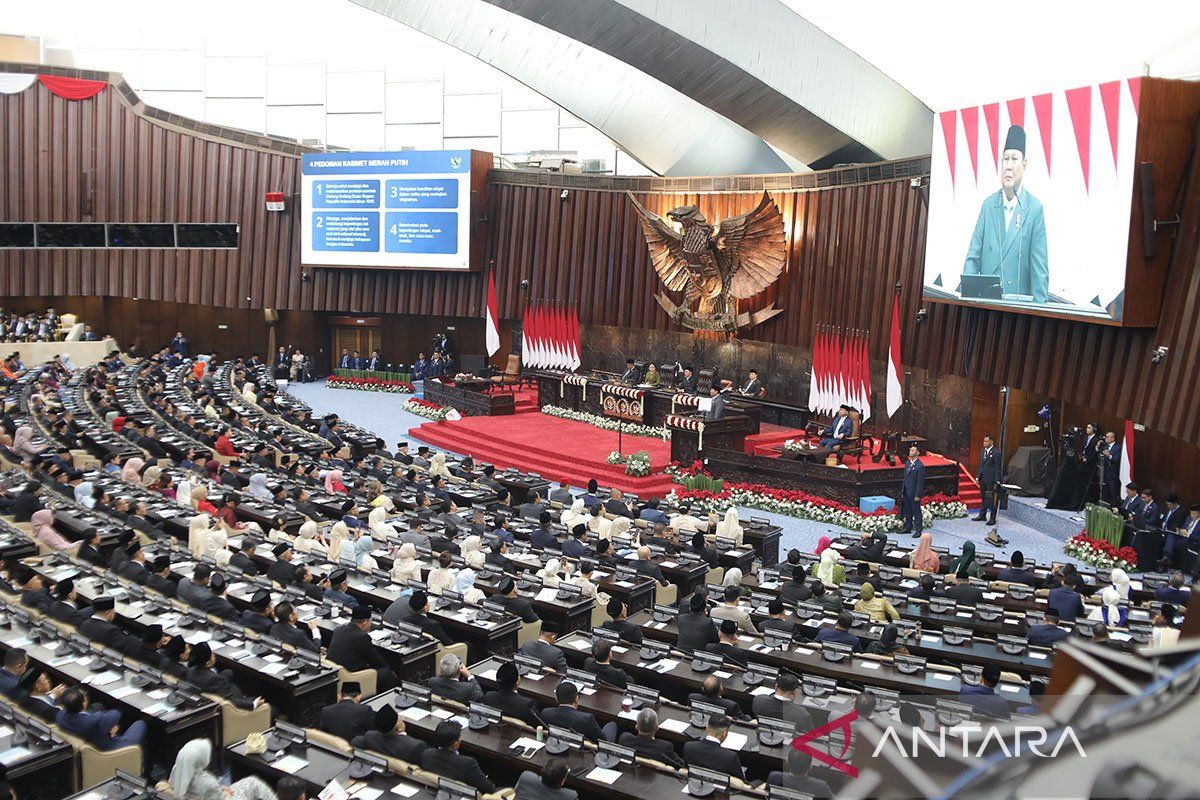
The strengthening of the creative economy is in line with the direction of the 2027 Draft State Revenue and Expenditure Budget (RAPBN), which targets national economic growth of 6 percent. The government is positioning the state budget as an instrument to maintain growth momentum while improving public welfare.
Based on the 2027 RAPBN, state spending is designed to reach Rp4,097.2 trillion, up from Rp3,842.7 trillion in the 2026 state budget. State revenue is projected at Rp3,153 trillion, with the budget deficit targeted at 2.40 percent of GDP.
President Prabowo Subianto previously stated that Indonesia’s economic growth in the first half of 2026 reached 5.45 percent. The government is now targeting 6 percent growth in 2027, with inflation maintained at around 2.5 percent.