
Creative Economy Ministry Drafts Guidelines for AI Utilisation in the Sector
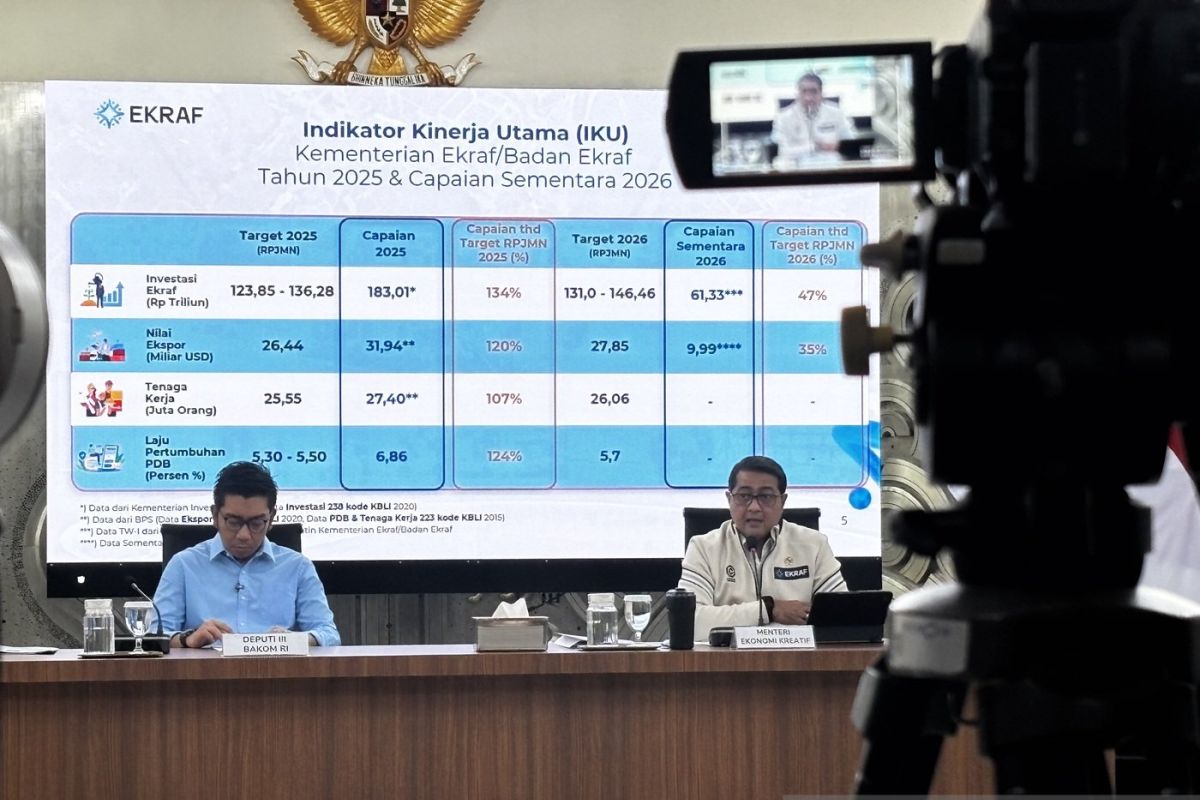
The Ministry of Creative Economy (Kemenekraf)/Creative Economy Agency (Bekraf) is drafting guidelines for the utilisation of artificial intelligence (AI) in various creative economy sectors. Speaking at a press conference at the Government Communication Office (Bakom) in Jakarta on Wednesday, Creative Economy Minister Teuku Riefky Harsya explained that the government has issued Presidential Regulation Number 37 of 2026 concerning the Creative Economy Master Plan for 2026-2045, which divides the sector into 21 sub-sectors, including new technologies such as AI, blockchain, cybersecurity, and web3. Regarding the specific issue of AI, he noted that the government, through the Ministry of Communication and Digital Affairs, is currently finalising two draft presidential regulations related to AI: a national AI roadmap and AI ethics. ‘Kemenekraf, as the sectoral ministry, will translate these national policy directions into implementation across the 21 creative economy sub-sectors once the regulations are issued,’ he stated. The ministry will also collaborate with associations, communities, and academics as strategic partners to address the opportunities and challenges of AI. ‘This includes drafting derivative policies, such as guidelines for AI utilisation in the creative economy sector, and developing an AI readiness assessment, an AI sandbox, and AI literacy programmes for creative economy actors,’ Riefky added. Furthermore, the ministry is strengthening collaboration with industry, academia, communities, and business actors in developing the AI ecosystem. At the national level, President Prabowo Subianto has asked Kemenekraf to focus on seven sub-sectors, including culinary, crafts, and fashion, which contribute significantly to the economy, as well as gaming, applications, film, and music, which are growing rapidly, especially among Generation Z and millennials. ‘In my view, besides these seven, there are two other fast-growing areas: new technology and digital content. So, it could be said that these seven plus two can become national priority sub-sectors that contribute both economically and in terms of employment,’ Riefky said.