
Creative Economy Ministry Advances AI Policy, Engages Public in Formulation
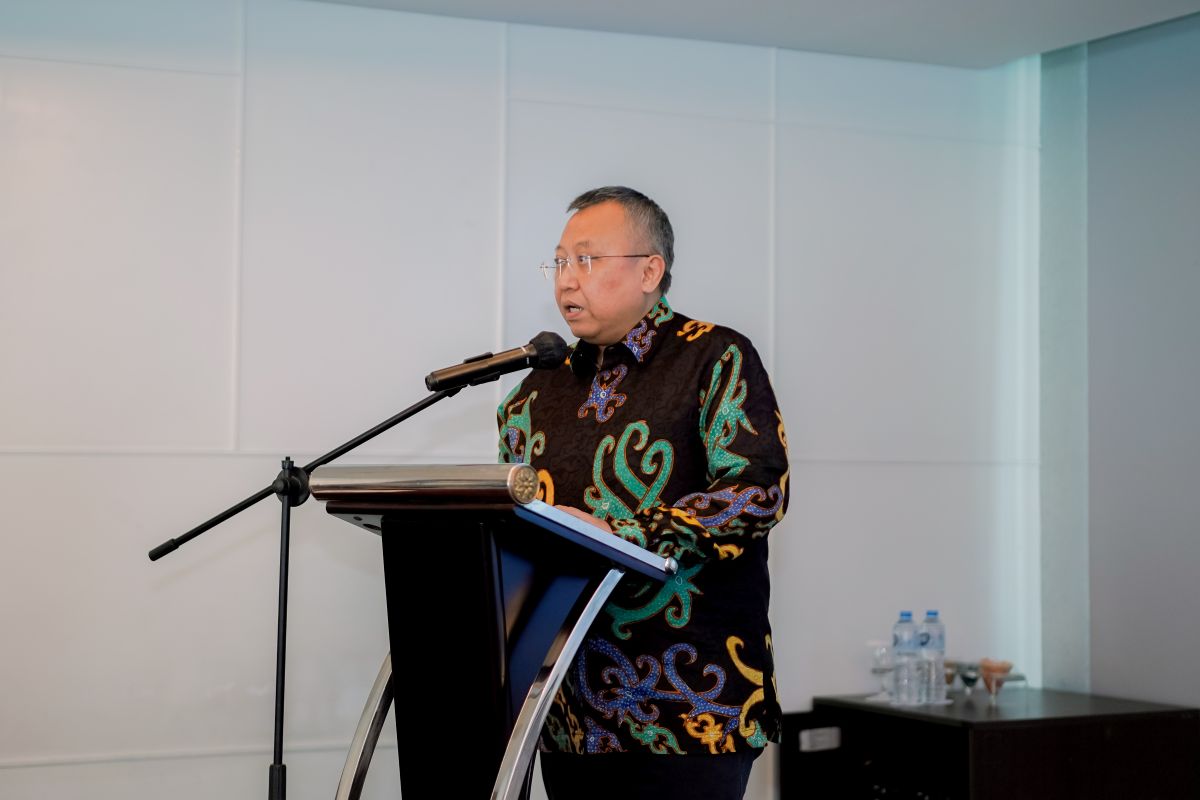
The Ministry of Creative Economy (Kemenekraf) is encouraging the growth of adaptive artificial intelligence (AI) governance policies in the creative economy sector. As a concrete step, Kemenekraf, together with Microsoft and AMANA Solutions, is formulating policy recommendations for AI use in the creative economy whilst holding Focus Group Discussions (FGD) that bring together various parties, ranging from ministries and government agencies, academics, associations, research institutions, to business actors, to strengthen the formulation process.
Deputy for Digital Creativity and Technology at Kemenekraf, Muhammad Neil El Himam, stated that behind the optimism of AI as a productivity driver for creative economy players, there are three aspects that need strengthening in its utilisation: clarity on the authorship status of AI-based works, transparency of AI use in the creative process, and protection of digital personas such as voice and face. According to him, clarity on these aspects is important to create an ecosystem that supports innovation whilst providing certainty for creators.
“The government is here to ensure AI becomes an opportunity, not a threat, for Indonesian creative economy players. Therefore, together with AMANA, we are conducting studies and drafting policy recommendations as input for developing AI governance that supports innovation, strengthens trust, and provides certainty for Indonesian creative economy players,” said Neil at the discussion event titled “Artificial Intelligence (AI) and the Future of Indonesia’s Creative Economy: Between Innovation, Governance and Justice for Creators” in Jakarta.
Meanwhile, AMANA Solutions is present in this initiative as a policy partner bringing technical capacity and deep understanding of the creative industry’s needs. The product currently being drafted is a policy recommendation serving as a practical guide that can be directly used by creative economy players and policymakers in navigating AI adoption and filling regulatory gaps whilst the formal legislative process is underway.
Digital Partner of AMANA Solutions, Endiyan Rakhmanda, stated that beyond an operational guide, this document is designed so that it can later become recommendation material for drafting technical regulations at the Presidential Regulation level as well as input in the deliberation process of the Copyright Bill. “This policy recommendation is born from a direct understanding of the challenges faced by creative industry players. The FGD is a space to ensure this document is not only technically relevant but truly answers the real needs of the ecosystem and is worthy of being a foundation for stronger policies,” Endiyan explained.
The urgency of this initiative is increasingly strong amidst a moving regulatory landscape. The deliberation of the Copyright Bill is ongoing, presenting a policy window that must not be missed. This bill focuses on regulating the legal status of AI-generated works and the protection of original creators’ economic rights.
Additionally, Indonesia is also drafting two other AI regulations: a Draft Presidential Regulation on an AI Roadmap that will formulate a national strategy for inclusive and globally competitive AI utilisation, and a Draft Presidential Regulation on Artificial Intelligence as the primary legal umbrella for governance, data security standards, and nationally binding AI ethics.
AI Skills Director at Microsoft Indonesia, Arief Suseno, expressed that this FGD aims to ensure that the dimensions of authorship, content transparency, and digital persona are included as considerations within these three regulatory frameworks. “Several of Indonesia’s trading partner countries in the regions of China, the European Union, and the United States have already integrated AI dimensions into their copyright regulations. Indonesia has the opportunity not merely to catch up, but to build a framework that is more contextual for the needs of the national creative industry,” Arief said.
The government reiterated that this FGD is designed as a consolidation space bringing together various stakeholders: relevant ministries, creative industry associations, industry players, and academics. This forum aims to produce substantive input rooted in real industry needs, not policies born from closed rooms. “The expected output from this FGD is a policy recommendation that will serve as material for formulating balanced AI governance in the creative economy sector: protecting creators’ rights, encouraging AI-based innovation, and building a governance ecosystem that is adaptive to technological developments,” Neil concluded.