
Creating WhatsApp stickers from other people's faces: Could it lead to criminal charges?
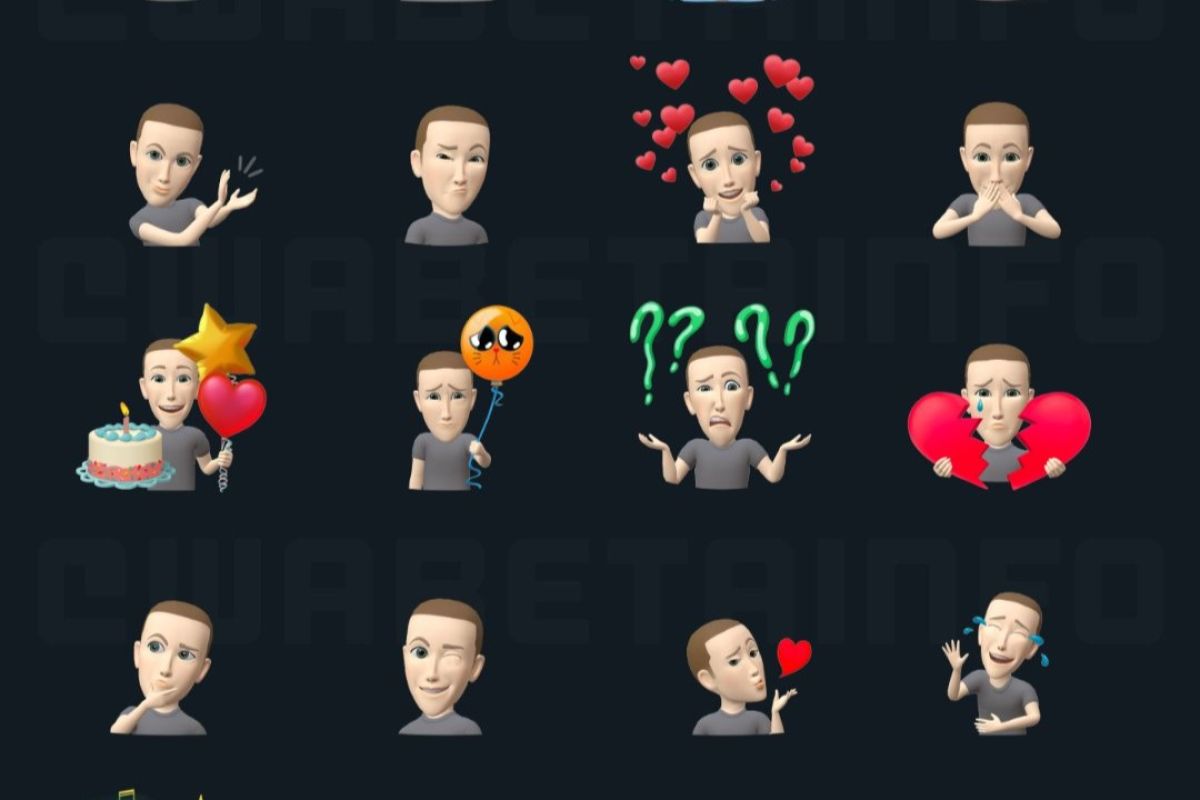
Jakarta (ANTARA) - Transforming someone’s face into a WhatsApp sticker might seem like a harmless joke among friends. However, using another person’s face without their consent can lead to legal issues, particularly if the photo is used or distributed in a manner that harms the owner.
In the context of Indonesian law, a face can be considered personal data. Law Number 27 of 2022 concerning Personal Data Protection (UU PDP) specifically includes biometric data as sensitive personal data. The explanation of this law cites facial images as an example of biometric data that can be used to identify an individual.
So, does creating and using WhatsApp stickers of other people’s faces automatically constitute a criminal offence? Here is the explanation.
Another person’s face is personal data
The UU PDP regulates that biometric data is specific personal data. Facial images fall into this category because facial characteristics can be used to identify a person.
The Ministry of Communication and Digital Affairs (Komdigi) has also emphasised that a person’s photo, especially one displaying an individual’s face or distinctive features, constitutes personal data. The collection, storage, and distribution of personal data must have a lawful basis for processing.
Therefore, using someone’s photo as material for stickers needs to respect the rights of the person whose face appears in the photo.
The UU PDP stipulates that the processing of personal data based on consent must obtain valid consent. This consent can be provided in writing or recorded, including through electronic means.
The Constitutional Court also reaffirmed in March 2026 that the processing of personal data based on consent must be based on the valid consent of the data subject.
Thus, the legal issue is not solely about a photo being turned into a WhatsApp sticker. What needs to be considered is how the photo was obtained, used, and distributed, and whether there is a lawful basis for such personal data processing.
Potential for criminal penalties
The UU PDP prohibits any person from unlawfully disclosing or using personal data that does not belong to them. This provision is found in Article 65, paragraphs (2) and (3).
For the unlawful use of personal data belonging to another, Article 67, paragraph (3) of the UU PDP stipulates a prison sentence of up to five years and/or a fine of up to Rp5 billion. Meanwhile, the unlawful disclosure of personal data under Article 67, paragraph (2) can be subject to a prison sentence of up to four years and/or a fine of up to Rp4 billion.
However, the application of criminal provisions cannot be concluded solely from the fact that someone created a sticker using another person’s face. The elements of a criminal offence and the concrete circumstances of a case must still be examined first.
Legal issues may also differ if the sticker is used to attack someone’s honour or reputation.
Law Number 1 of 2024, regarding the Second Amendment to the ITE Law, regulates Article 27A concerning acts that attack the honour or reputation of others by accusing them of something to be made known to the public through electronic systems. The criminal penalty is found in Article 45, paragraph (4), with a maximum prison sentence of two years and/or a fine of up to Rp400 million.
This means the context of the sticker’s use is crucial. A sticker created for personal use that does not harm anyone has a different legal standing compared to a sticker used to embarrass, demean, or attack someone’s reputation.
Do not use other people’s photos indiscriminately
Members of the public should seek permission before using photos displaying other people’s faces to create stickers, especially if those stickers will be distributed to many people or used in various chat groups.
Beyond legal issues, asking for permission is also a step towards respecting privacy and an individual’s right over the use of their own image.
Consequently, using someone else’s face as a WhatsApp sticker does not automatically become a criminal offence in every circumstance. However, such actions can lead to legal consequences if they meet the elements of personal data protection violations or other criminal provisions, particularly when done without a lawful basis and resulting in harm or being used to attack someone’s honour.
Source: jawawa.id (https://jawawa.id/newsitem/creating-whatsapp-stickers-from-other-peoples-faces-could-it-lead-to-criminal-charges-1790215158)
Originally published by Antara (Indonesian) (https://www.antaranews.com/berita/5755816/bikin-stiker-whatsapp-dari-wajah-orang-lain-bisa-dipidana), translated from Indonesian