
CPO Prices Pressured by Indian Demand, Indonesia's Major Policy Provides Support
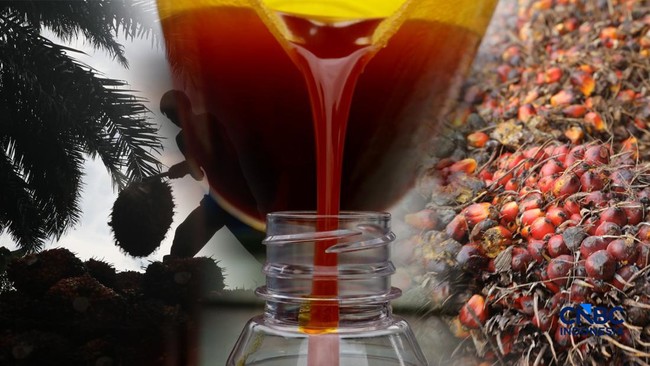
Crude palm oil (CPO) prices remained in a weakening trend throughout this week. Based on Refinitiv data, the Malaysian CPO futures contract closed at 4,480 ringgit per tonne on Friday (3/7/2026), down approximately 1.5%-1.9% compared to the previous week’s close. This marks the second consecutive weekly decline.
Trading during the week was quite cautious. Market participants chose to wait for several fundamental data releases scheduled for next week, particularly reports on Malaysian palm oil production, exports, and stockpiles. At the same time, the strengthening of the ringgit made CPO more expensive for buyers using other currencies, thus limiting transaction interest.
According to Reuters, additional pressure came from the demand side. India, the world’s largest palm oil importer, reportedly reduced its purchases throughout June to the lowest level in 14 months. The price spread between CPO and competing vegetable oils has narrowed, prompting some buyers to shift their needs to other commodities. This condition kept market sentiment cautious throughout the week.
On the supply side, market attention is directed towards Malaysia. A Reuters survey estimates Malaysian CPO production in June rose by about 8.9% compared to the previous month to around 1.65 million tonnes. The production increase is expected to outpace demand growth, potentially raising palm oil inventories to around 2.5 million tonnes, the highest level for June on record. If the production trend continues while demand has yet to recover, there is still room for price declines in the near term.
Nevertheless, the price correction was not too deep. Data from cargo surveyors showed palm oil exports during 1-25 June increased by about 10.6%-11.1% compared to May. Indonesia also reported CPO and derivative product exports reached 8.92 million tonnes during January-May 2026, up 7.4% compared to the same period last year. This figure signals that demand from export markets is beginning to improve.
Another factor still drawing market attention comes from Indonesia. The mandatory B50 biodiesel programme officially came into effect on 1 July 2026. This policy is expected to increase domestic palm oil consumption as the need for biodiesel feedstock grows. Hopes for higher domestic uptake are one reason CPO prices have not experienced a sharper decline.
The movement of global crude oil prices also coloured the CPO market. Relatively steady oil prices maintain the demand outlook for biodiesel, ensuring palm oil remains attractive as an energy feedstock. This relationship means that pressure in the vegetable oil market is not fully translating into a deeper drop in CPO prices.
Heading into next week, market attention will focus on the Malaysian Palm Oil Board (MPOB) monthly report scheduled for release on 10 July. Production, export, and inventory data will serve as a new benchmark for market participants to assess whether supply-side pressure will continue to dominate, or whether it will begin to be balanced by rising export demand and Indonesia’s domestic consumption through the B50 implementation.