
CPO Exports Grow by 5.49 Per Cent, Agriculture Minister Amran Pushes for Indonesia's Palm Oil to Level Up Through Downstreaming
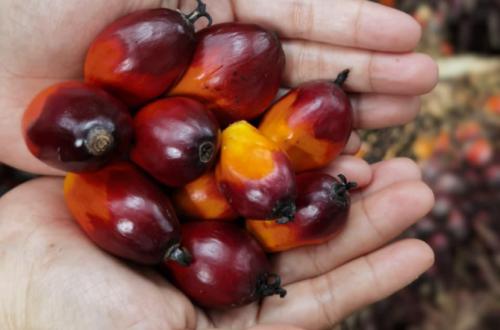
Crude Palm Oil (CPO) and its derivative products grew by 5.49 per cent throughout January–July 2026 compared to the same period in the previous year. This performance strengthens the contribution of the palm oil commodity to agricultural exports and demonstrates the vast potential of Indonesia’s plantation commodities in the global market.
This export growth is inseparable from government efforts to strengthen the palm oil sector from upstream to downstream, ranging from increasing plantation productivity, crop rejuvenation, and the use of superior seeds to the development of the processing industry. These steps continue to be driven to increase competitiveness while enlarging the added value of palm oil commodities domestically.
Minister of Agriculture Andi Amran Sulaiman stated that Indonesia possesses significant capital to strengthen the position of palm oil in the world market as it is one of the largest palm oil producers. Therefore, increased production must be accompanied by downstreaming so that exports do not rely solely on raw materials.
“Indonesia is one of the largest palm oil producers in the world. This is our strength. We must not only export raw materials, but we must push for downstreaming so that the added value becomes even greater,” said Minister Amran.
Statistics Indonesia (BPS) noted that the strengthening of palm oil exports occurred in line with the growth of Indonesia’s non-oil and gas exports. Throughout January–July 2026, the value of non-oil and gas exports reached US$160.01 billion, an increase of 5.21 per cent compared to the same period the previous year. Meanwhile, Indonesia’s total exports reached US$167.03 billion, growing by 4.43 per cent.
BPS Deputy for Distribution and Services Statistics, Ateng Hartono, stated that the strengthening of global commodity prices also helped drive export performance, particularly within the agricultural commodity group. Palm oil was one of the commodities that experienced a price increase.
“In July 2026, in general, commodity prices in the global market showed a year-on-year increase. The annual price increase occurred in the agriculture, energy, precious metals, and also metals and minerals groups. The increase in agricultural commodity prices was primarily driven by the rise in palm oil prices,” Ateng stated during the presentation of the BPS Official Statistical News in early September.
The strengthening of palm oil exports is also reflected in the animal/vegetable fats and oils group (HS15), which is one of the driving commodities for non-oil and gas exports. On the other hand, the processing industry sector recorded a growth of 7.16 per cent throughout January–July 2026.
Minister Amran stated that this export growth needs to be utilised to strengthen the agriculture-based processing industry. According to him, the more commodities that are processed domestically, the greater the opportunity to create added value before products enter the international market.
Source: jawawa.id (https://jawawa.id/newsitem/cpo-exports-grow-by-5-49-per-cent-agriculture-minister-amran-pushes-for-indonesias-palm-oil-to-level-up-1789185278)
Originally published by Republika (https://ekonomi.republika.co.id/berita/tl8d0e370/ekspor-cpo-tumbuh-549-persen-mentan-amran-dorong-sawit-indonesia-naik-kelas-lewat-hilirisasi), translated from Indonesian