
Courses and Lifelong Learning: A Path to Self-Reliance
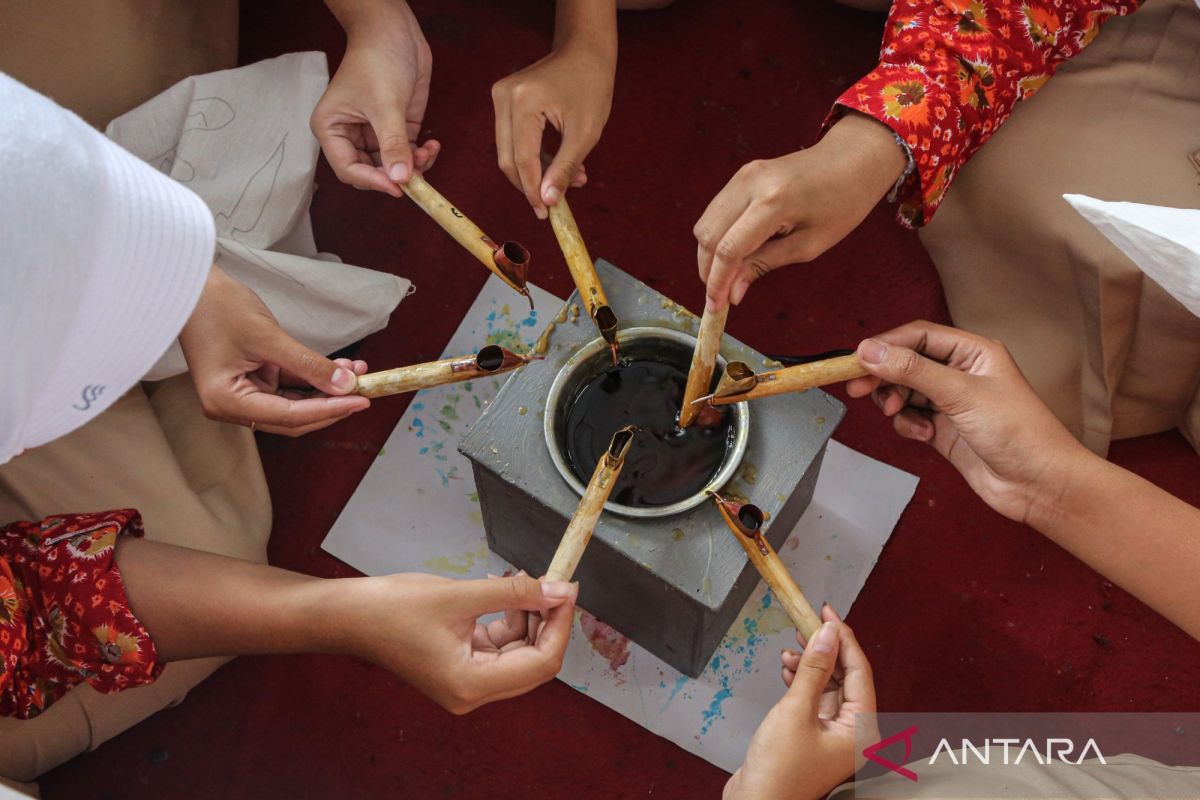
Jakarta (ANTARA) - “The learning was enjoyable and truly impactful. It was something new for me, and it genuinely became a provision for life,” said Depri Eka Pratama, an alumnus of courses and training in Bantul Regency, Special Region of Yogyakarta.
The owner of four food outlets in the city of Yogyakarta now boasts a monthly turnover of Rp64 million to Rp75 million, an achievement that was difficult to imagine when he was a fresh vocational high school (SMK) graduate uncertain of his direction.
Depri is not merely a young entrepreneurial success story. He is the most concrete proof of a concept often forgotten in Indonesia: education is a lifelong journey, not a provision that expires with the last diploma.
The concept of lifelong learning indeed sounds like jargon in policy documents. But in a country with 9.9 million young people classified as NEET (not in employment, education, or training) in 2024, and 7.24 million openly unemployed as of February 2026, this concept is no longer a luxury. It is an emergency.
Data serves as a warning. According to the PwC Hopes and Fears Survey 2025, around 30 percent of companies in Indonesia struggle to recruit quality talent. As many as 45 percent of employers predict that competition for talent will intensify, 35 percent cite digital skills as the biggest barrier, and only 19 percent of young workers possess the necessary qualifications.
This is where the urgency of lifelong learning becomes clear. The world of work is changing so rapidly—with automation, artificial intelligence, and the green economy—that skills relevant today could be obsolete by tomorrow morning. No single degree is sufficient for a lifetime. Formal education provides a foundation, but only continuous learning can keep a person relevant.
Data shows that around 40 to 45 percent of Indonesian millennials and Gen Z did not complete upper secondary education (BPS Census 2020). They are not lazy children; most were forced to drop out due to family economic pressures, or simply did not fit into the formal school system.
For them, formal education has closed its doors. So where should they turn?
The answer lies in the 12,949 course and training institutions (LKP) spread across Indonesia. LKPs are the lifelong learning infrastructure closest to the community. They offer a second, third, or even fourth education for anyone who wants to continue learning and improving their skills without returning to a formal school setting.
Courses are not merely a side activity; they are the pulse of lifelong learning. They are the way a person continuously updates their knowledge, maintains competitiveness, and stays relevant amidst changes in work, technology, and society.
The United Nations Educational, Scientific and Cultural Organization (UNESCO) emphasises that lifelong learning encompasses all ages, all life contexts, and various forms of formal and non-formal learning, making courses a concrete place for this idea to manifest in daily life.