
Courage Needed to Build Payment Ecosystem That Turns Remittances into Development Power
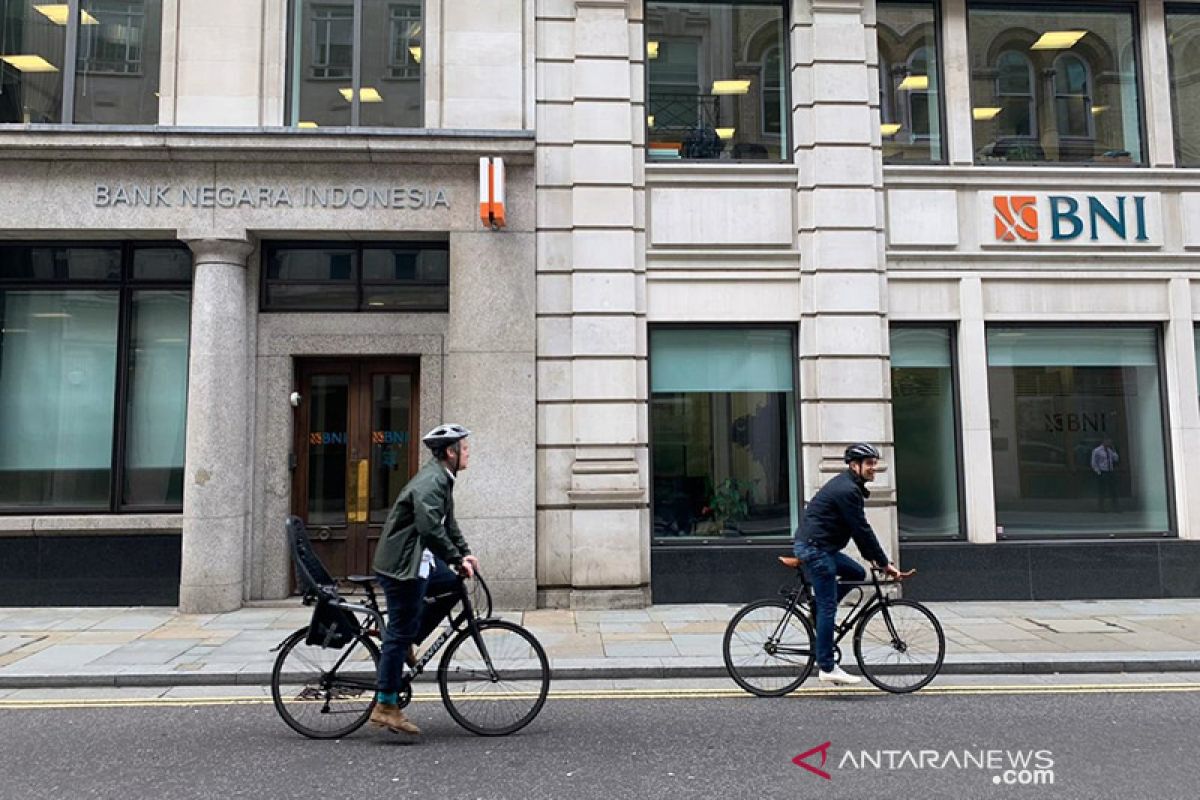
What we need is the courage to build a payment and financial ecosystem that ensures the hard work of millions of migrant workers truly becomes a force for national development.
Jakarta (ANTARA) - Behind every remittance lies a story of sacrifice from millions of migrant workers who leave their families behind to seek better incomes. For a long time, remittances have often been viewed merely as money transfers to meet daily needs: paying school fees, repairing houses, buying basic necessities, or supporting parents in their home villages.
That view is not entirely wrong, but it is too narrow. Economically, remittances are one of the most stable sources of development financing and are highly resilient to global shocks. The World Bank estimates that global remittance flows will reach approximately US$856 billion in 2024, with about US$653 billion flowing to low- and middle-income countries.
This value has surpassed both Foreign Direct Investment (FDI) and Official Development Assistance (ODA) in many developing nations. While foreign capital flows can easily fluctuate due to market volatility and geopolitical uncertainty, remittances remain steady, driven by family ties and real-life necessities.
Countries such as India, Mexico, the Philippines, Bangladesh, and Pakistan have proven that remittances can serve as a national economic buffer. India receives over US$120 billion in remittances annually, making it one of their largest sources of foreign exchange. The Philippines has for years utilised migrant worker remittances to support domestic consumption and balance of payments stability. Indonesia possesses equally significant potential.
Millions of Indonesian migrant workers are employed in Malaysia, Singapore, Hong Kong, Taiwan, Japan, South Korea, and Middle Eastern countries. The funds they send support education, healthcare, housing, and consumption for millions of families across various regions.
However, the potential of remittances as productive capital remains sub-optimal. Most funds are exhausted on consumption because our financial system is not yet fully capable of linking remittances to savings, investment, business credit, and insurance.
Another issue that is often overlooked is the high cost of money transfers. Although global remittance costs have dropped from over 9 per cent in 2009 to around 6 per cent today, this figure remains much more expensive compared to domestic transfers. Digital remittances average around 4 per cent, whereas cash-based services are still around 7 per cent. This is despite the Sustainable Development Goals (SDGs) target to reduce remittance costs to below 3 per cent.
This cost disparity is not primarily caused by technology, but rather by market structure and regulation. Cross-border payments still rely on correspondent banking networks, meaning transactions must pass through several intermediaries. Every link in the chain adds cost, slows down the process, and increases risk.