
Countries with the Highest Pork Consumption in ASEAN
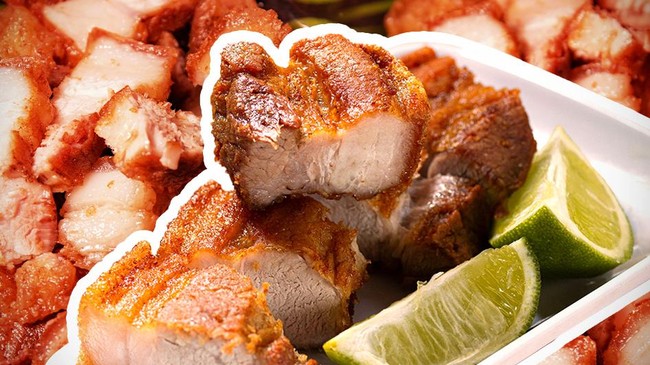
Pork consumption varies considerably across Southeast Asia. Vietnam had the region’s highest per-capita consumption in 2020, while Indonesia ranked last, with a markedly lower level than other ASEAN countries.
According to 2020 data from the Food and Agriculture Organization (FAO), cited by Seasia Stats on Tuesday (19 May 2026), pork consumption in Vietnam was around 38.2 kilograms per person per year. This placed Vietnam first and highlighted the significant role of pork in the country’s food consumption patterns.
Singapore followed in second place, at around 22 kilograms per person per year. Myanmar ranked third, at 20.1 kilograms. These three countries recorded relatively high levels of consumption compared with others in the region.
The Philippines, Laos and Thailand also reported double-digit consumption. The Philippines consumed around 14.5 kilograms per person per year, Laos 13.5 kilograms and Thailand 13.1 kilograms.
Timor-Leste recorded consumption of 11.5 kilograms per person. Malaysia stood at 7.4 kilograms and Cambodia at 5.9 kilograms per person per year.
By contrast, Indonesia had the lowest pork consumption in Southeast Asia, at only around 0.9 kilograms per person per year.
The low level of consumption is influenced by Indonesia’s large Muslim population, which does not eat pork. Food preferences in various parts of Indonesia also differ from those in several other ASEAN countries.
The following is the list of per-capita pork consumption in Southeast Asia, based on 2020 FAO data:
Vietnam: 38.2 kg
Singapore: 22 kg
Myanmar: 20.1 kg
Philippines: 14.5 kg
Laos: 13.5 kg
Thailand: 13.1 kg
Timor-Leste: 11.5 kg
Malaysia: 7.4 kg
Cambodia: 5.9 kg
Indonesia: 0.9 kg