
Could New US Sanctions Drive a Wedge Between China and Iran?
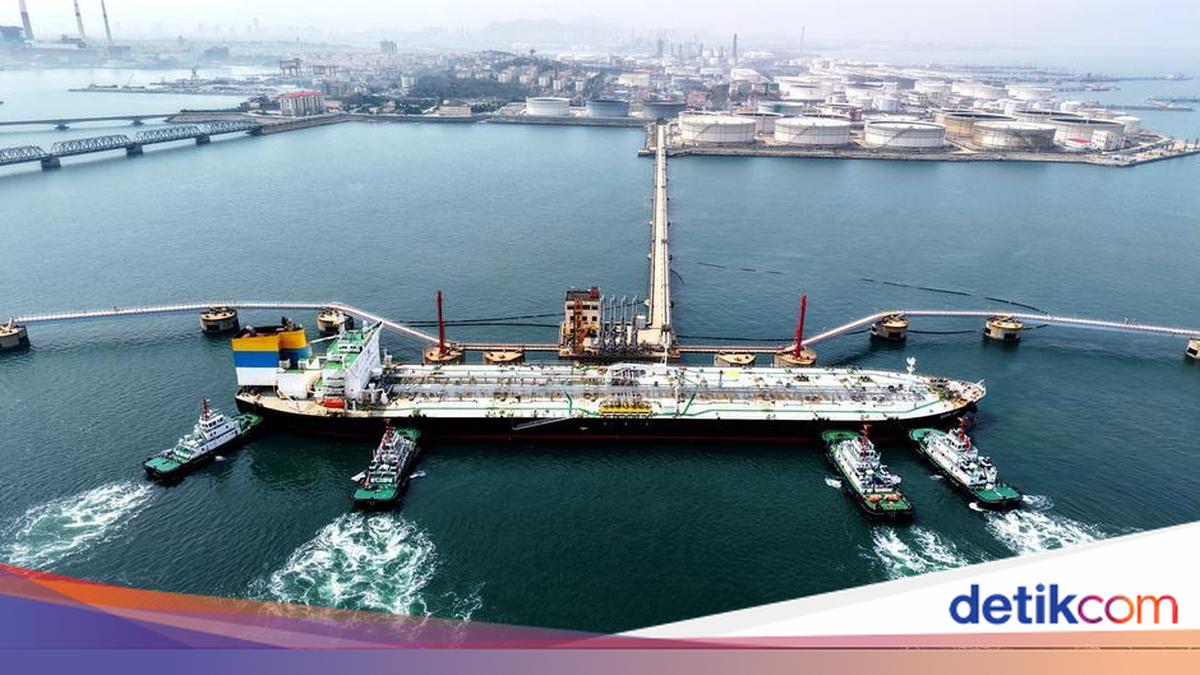
China has condemned what it calls “illegal unilateral sanctions” after the United States announced new measures to shut down all potential sources of revenue for Iran. US Treasury Secretary Scott Bessent on Monday described the package as an “economic D-Day” for Tehran and warned that anyone maintaining economic ties with Iran would face the full force of Washington’s sanctions. China is Iran’s main trading partner and a key supporter of Tehran’s economy, particularly through oil purchases and cooperation in banking, technology and dual-use goods. Asked whether Chinese banks would also be targeted, Bessent stressed that “no one is immune to US sanctions.” However, with a planned meeting between US President Donald Trump and Chinese President Xi Jinping in September, Washington must also consider the impact on China-Iran trade relations. So far, the latest US sanctions package has not targeted major Chinese banks. Washington has focused its measures on around 60 entities, individuals and vessels in mainland China and Hong Kong accused of involvement in support networks for nuclear and missile technology procurement, cyber operations and oil trading that generates revenue for Iran. China buys up to 90 percent of Iran’s oil exports. Some of that oil is processed by independent refineries, or teapot refineries, which often use intermediaries or change the origin of products to evade US sanctions. In May, China’s Ministry of Commerce ordered domestic companies and independent refineries to ignore US restrictions targeting some of those facilities. Responding to Beijing’s stance, US Treasury Secretary Scott Bessent said China’s purchases of Iranian oil amounted to “funding the world’s largest state sponsor of terrorism.” On Tuesday, Chinese Foreign Ministry spokesman Lin Jian stressed that cooperation between China and Iran “has always been carried out within the framework of international law and should not be interfered with or disrupted.” Beijing maintains pragmatic relations with Tehran while portraying instability in the Middle East as a failure of US policy. At the same time, China seeks to present itself as a stable and responsible global power and avoids appearing too close to countries that are frequent targets of Washington’s criticism. Strong trade ties with Saudi Arabia and the United Arab Emirates also encourage Beijing to maintain balance in its dealings with Iran’s regional rivals. Developments in the Middle East and the latest US sanctions package are expected to be among the topics discussed at the Shanghai Cooperation Organisation summit in Kyrgyzstan from 31 August to 1 September. Iranian President Masoud Pezeshkian is scheduled to attend the meeting. The SCO is an organisation focused on Eurasian security and is part of China’s efforts to strengthen a multipolar world order as a counterweight to US global influence. According to William Yang, senior Northeast Asia analyst at the International Crisis Group, China continues to deepen its engagement and expand relations with Gulf states. In that context, Iran remains an important and useful partner for Beijing, but not an irreplaceable one. “In some ways, China benefits from Washington’s continued involvement in regional security and defence, and does not seek to replace the US in that regard,” Yang told DW. However, according to Gu Xuewu, a political scientist and Director of the Centre for Global Studies at the University of Bonn, the series of US military failures during the Iran war has raised doubts about the security umbrella Washington has long offered and helped change the strategic landscape in the Middle East. “Against this background, Beijing will not give in to US pressure to sever economic and trade ties with Iran or help the US maintain its presence in the Middle East,” Gu told DW. Since the Iran war broke out in late February, Beijing has consistently pushed for a diplomatic resolution to the conflict. This week, Chinese Foreign Ministry spokesman Lin Jian said Washington’s strategy of “economic restriction” would not resolve the crisis and could potentially worsen tensions in the Middle East. “China does not agree with aggressive US behaviour in the region, and is even less willing to accept US efforts to use every means at its disposal to obstruct cooperation between Arab countries and China in energy, military, science, technology and trade,” Gu said. Nevertheless, Gu assessed that Beijing has no interest in engaging in a “decisive battle” with the US in the Middle East. “It is enough to provoke the US into making mistakes in the Middle East and allow it to continue making further mistakes without interference,” he said. In 2025, when the US sought to pressure China through large-scale tariffs, Beijing responded with threats to restrict supplies of rare earth minerals. That move prompted the Trump administration to soften its position. Since then, Trump has sought to stabilise relations with China, including through a high-level meeting that received wide attention in Beijing in May. President Xi Jinping is also scheduled to visit Washington in September. “Because Beijing and Washington are both focused on preparing for the highly anticipated summit on 24 September, I do not think either country will take drastic action against Iran that could jeopardise the meeting,” said William Yang. Nevertheless, Yang assessed that China will continue to maintain its position.