
Cost efficiency becomes main consideration in switching to electric motorcycles
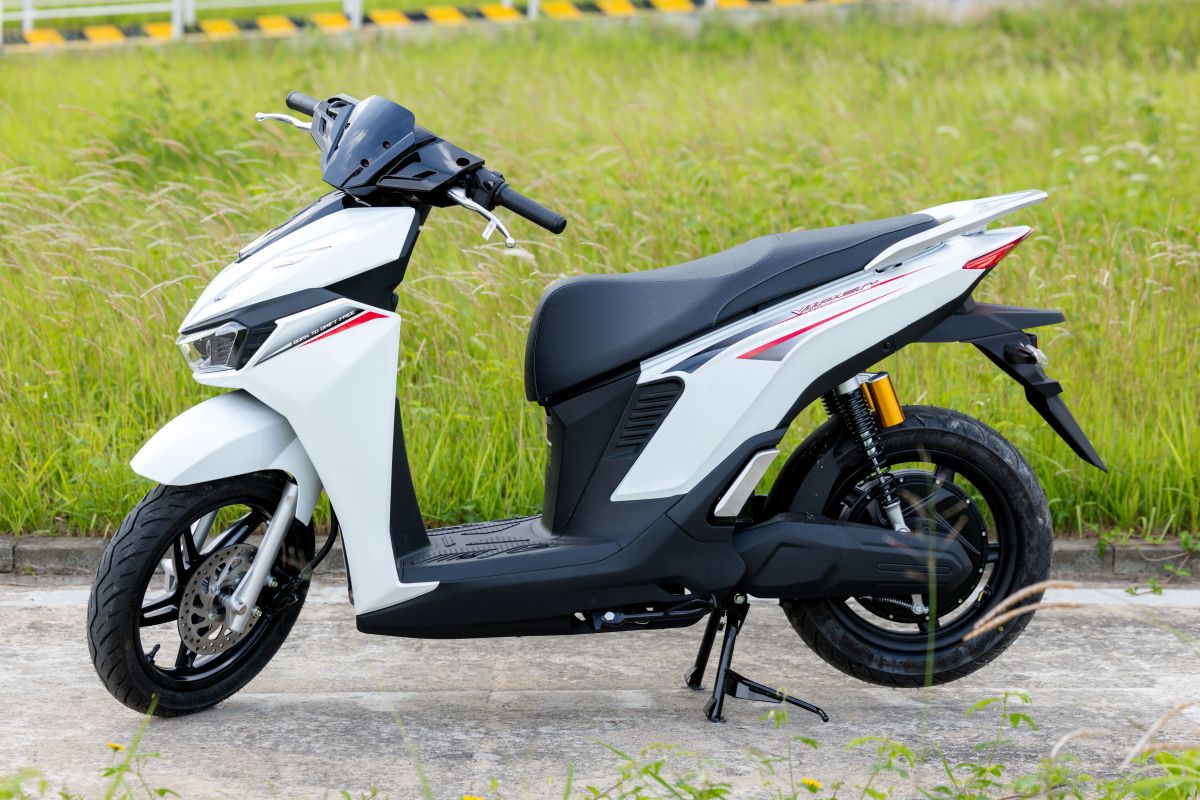
The trend of battery-based vehicle usage in Indonesia is not only occurring in the four-wheeled vehicle segment, but is also being followed by two-wheeler manufacturers who are increasingly aggressive in marketing such vehicles.
Amid rising living costs and ever-increasing mobility needs, electric motorcycles are beginning to offer a different way of calculating ownership costs and are considered efficient. The VinFast Viper is one example of an electric motorcycle bringing this approach to the Indonesian market.
“Efforts to accelerate electrification need to be supported by ease of use and tangible economic value for consumers,” said CEO of VinFast e-Scooter Indonesia, Yordan Satriadi, in an official statement on Thursday.
He continued that the Viper electric motorcycle is available at a price starting from Rp22.81 million for the Jakarta area, and its economic calculation does not stop at the purchase price.
Rather, the battery scheme, swap costs, and warranty are all part of the calculation that prospective users need to consider.
One of the most fundamental differences lies in the energy source. Electric motorcycles do not require petrol to operate, while energy costs are replaced by the need for battery charging or swapping.
The electric motorcycle, which already features Smart Key technology with remote vehicle locating, anti-theft, and remote on/off functions, gives consumers the convenience of choosing a battery rental scheme at a cost of Rp84,000 per month for each battery, or a scheme to purchase the vehicle together with its battery.
This model is considered attractive because it can convert a large upfront cost into more measurable expenditure. Consumers do not only look at the price of the motorcycle when purchased, but also at how much must be spent each month to keep the vehicle ready for use.
Efficiency is even more apparent in the battery swapping system, where users can replace the battery at dedicated stations in about one to two minutes.
This means that the time issue that usually arises when electric vehicles must wait for the charging process can be minimised. For users with high mobility, time also has its own economic value.
For battery swap costs, VinFast has set the price at Rp6,000 per battery per transaction.
In addition, free swap facilities are available at V-Green public stations for one year, with a limit of up to 20 swaps per month for each vehicle.
However, the financial advantages of electric vehicles should not only be calculated from the difference in energy costs. Vehicle lifespan, maintenance, and the risk of major expenses are also part of the total cost of ownership.
In this regard, the Viper is said to have a warranty of up to six years or 72,000 kilometres, which has the potential to reduce the burden of ownership costs during that period.
This is where the switch to electric motorcycles becomes attractive as a long-term investment. Users pay for the vehicle not only to obtain a means of transport, but also to control the operational expenses that will arise during its period of use.
Nevertheless, the economic calculation still depends on usage patterns. The higher the daily mileage, the more relevant the energy efficiency and ease of battery swapping become.
Conversely, for users with low mobility, the financial benefits take longer to be felt.