
Corruption Eradication Must Be Accompanied by System Reform
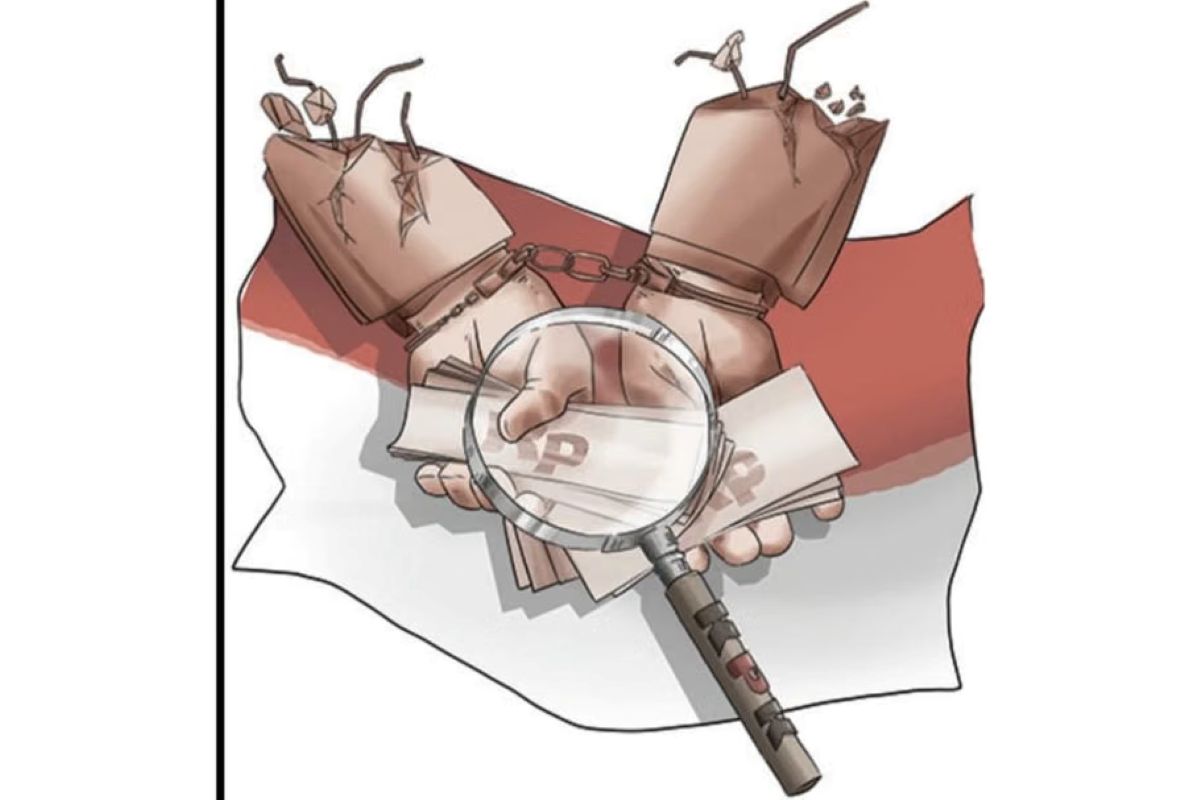
Law enforcement against corruption must be accompanied by system reform to ensure similar practices do not continue to recur, an analyst has stated. In addition to thoroughly investigating perpetrators, improving governance and closing loopholes that enable corruption are considered important factors in strengthening eradication efforts in Indonesia.
Political communication and public policy analyst Nyarwi Ahmad expressed support for the Corruption Eradication Corps (Kortas Tipikor) of the Indonesian National Police in handling alleged corruption and money laundering offences. The effort to uncover corrupt practices, trace the flow of funds, and identify the parties involved is an important part of law enforcement that deserves appreciation.
"The Kortas Tipikor Polri’s efforts to thoroughly investigate corruption and money laundering cases must be fully supported. Firm law enforcement is very important to maintain public trust," Nyarwi said.
However, he believes that eradicating corruption cannot focus solely on prosecuting perpetrators. Attention must also be given to improving systems and governance that still leave room for irregularities. Without comprehensive reform, he argued, corrupt practices could continue to recur even if the perpetrators are legally processed.
"The firmness of Kortas Tipikor Polri must be a momentum to improve the system so that corrupt practices do not continue to repeat themselves," he stressed.
He added that law enforcement carried out professionally, transparently, and indiscriminately would strengthen public trust in law enforcement institutions while maintaining public optimism, especially among the younger generation, regarding corruption eradication efforts in Indonesia.