
Corrections Directorate Affirms Prison Padlocks Meet Specialised Security Standards
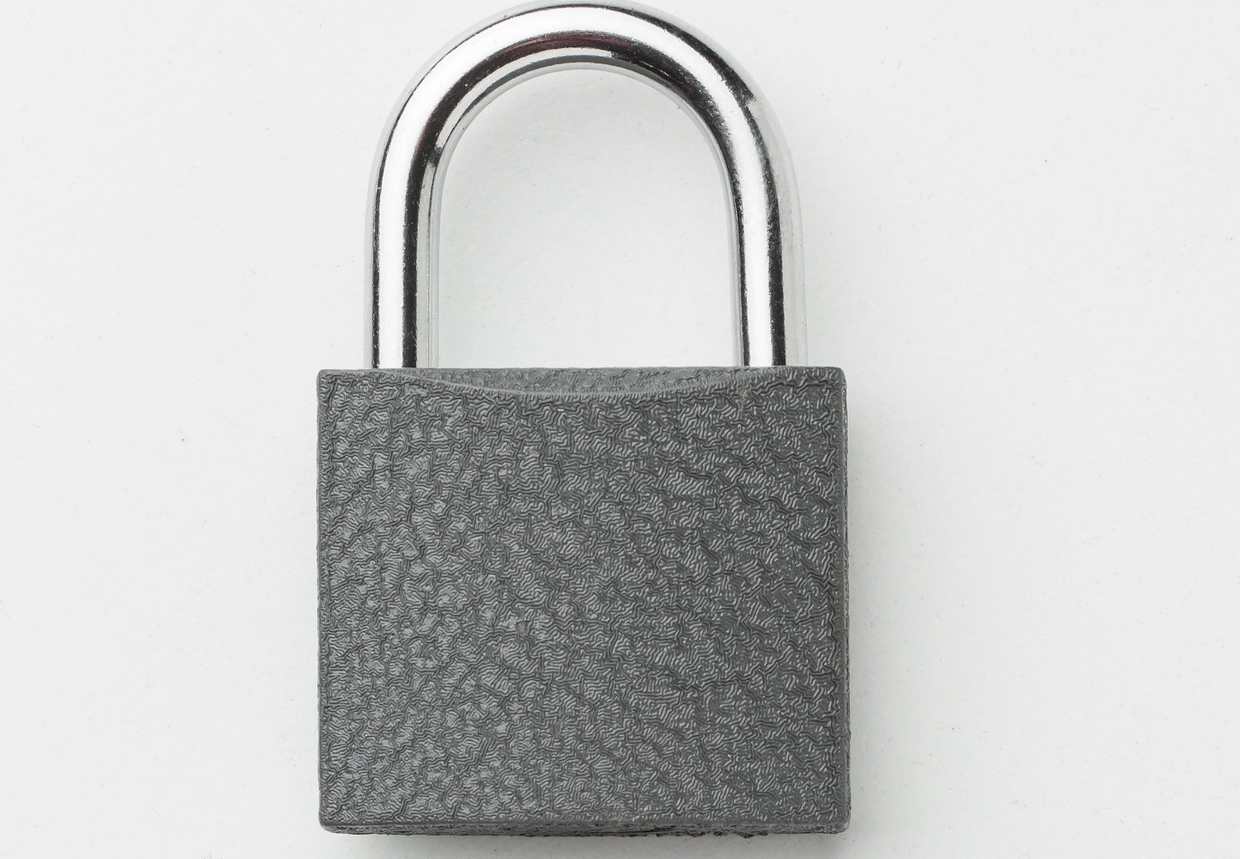
The Directorate General of Corrections (Ditjenpas) has emphasised that the padlocks used in correctional institutions are not ordinary commercial padlocks, but rather security devices with specific specifications designed to meet high security standards within prisons and detention centres.
Ditjenpas Spokesperson, Rika Apriandum, explained that according to information from the Government Goods/Services Procurement Unit (UKPBJ) of Ditjenpas, the procurement of padlocks is conducted based on technical standards regulated in the Decree of the Director General of Corrections Number PAS-499.PK.02.03.01 of 2015 regarding Housing Evaluation Standards for Prisons/Detention Centres.
According to Rika, every padlock must meet strict requirements, ranging from high-strength metal materials and rust resistance to being tamper-proof and featuring a key system that is difficult to duplicate. Before being approved, products must also undergo specification assessments and strength testing to ensure they are suitable for use in correctional facilities with high security risk levels.
“What is being procured is not for general use. The specifications are specifically designed to support the security system in prisons and detention centres, so they must meet the established technical standards,” said Rika, as quoted from a written statement received on Saturday.
She also emphasised that the entire procurement process for the 2024 and 2025 Fiscal Years is carried out through the e-purchasing mechanism via the LKPP electronic catalogue, in accordance with Presidential Regulation Number 16 of 2018, as amended by Presidential Regulation Number 12 of 2021, and applicable LKPP regulations.
“This method was chosen because it is more transparent, electronically documented, and allows for product selection based on established technical specifications without compromising the principle of accountability,” she added.
Rika further noted that before procurement takes place, Ditjenpas first calculates real needs based on security points, the condition of existing padlocks, replacement requirements, and the level of security urgency in residential cells, blocks, warehouses, and other strategic areas.
Once goods are received, a thorough inspection is conducted regarding quantity, specifications, physical condition, locking functionality, and the completeness of keys before the handover and payment process.
Thus, Ditjenpas ensures that padlock procurement is carried out based on operational needs, meets correctional security standards, and follows government procurement mechanisms that are transparent, efficient, and accountable.