
CORE Urges Danantara to Reform Investment to Curb the Risk of Layoffs
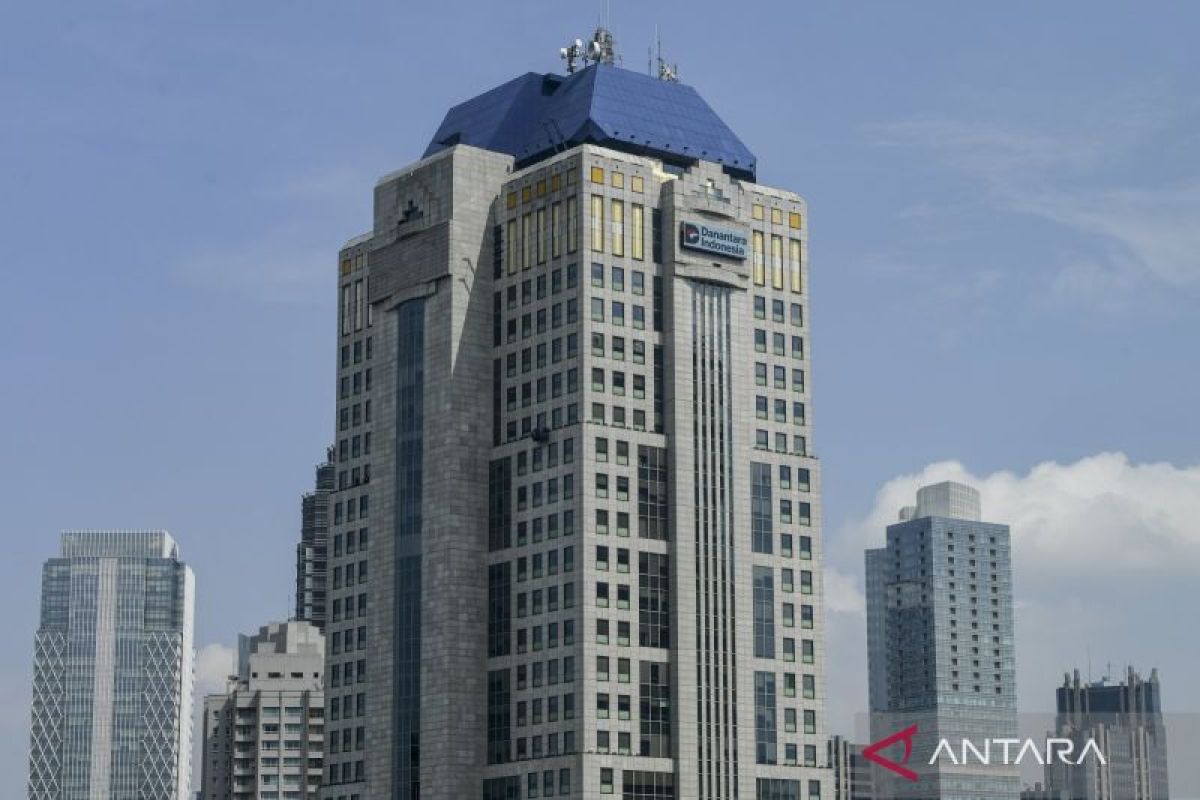
Jakarta (ANTARA) - The Centre for Reform on Economics (CORE) Indonesia has urged reform of the investment direction of the Danantara Investment Management Agency (Badan Pengelola Investasi Danantara, BPI Danantara) to curb the risk of layoffs (PHK) in the medium term.
In its latest report titled The Layoffs Storm (Not Yet Over), quoted in Jakarta on Wednesday, CORE notes that global pressures should be leveraged as a momentum to repair structural vulnerabilities in the national industry, particularly due to dependence on imported raw materials and external volatility.
‘Investment strategy needs to be reformed so that the ongoing industrialisation becomes deeper and more resilient to global shocks,’ CORE writes in the report.
CORE emphasises that Danantara’s role is crucial in directing investment to sectors that have long been weak points in Indonesia’s manufacturing structure. These sectors include the textile and textile products industry, nafta-based petrochemicals, and iron and steel, which have high dependence on imported raw materials.
According to CORE, this dependence makes domestic industry more vulnerable to global supply chain disturbances, such as those arising from conflicts in the Middle East that disrupt trade routes via the Hormuz Straits.
For example, CORE regards the planned funding of US$6 billion for the development of new state-owned textile enterprises as needing to focus on strengthening the middle layers of the supply chain, from synthetic yarn production, fabrics, dyeing processes to finishing stages.
Additionally, investment should be expanded into nafta-based petrochemicals that are major suppliers of raw materials for the textile and plastics industries.
‘The downstream Krakatau Steel project worth Rp30 trillion, which broke ground at the end of April 2026, also needs to be safeguarded so that the use of local iron ore as input material is truly realized,’ CORE said.
This step is viewed as important to reduce reliance on imports that have historically made Indonesia’s manufacturing sector more exposed when global disturbances occur.
Furthermore, the report stresses that industrial policy, given the current conditions, needs to be designed with greater differentiation, across sectors and regions, so that interventions are targeted.
According to CORE, each sector faces different problems and thus requires sector-specific policy approaches. For example, the textile industry in West Java needs support for substituting cotton raw materials, while the footwear industry in Banten requires financing access to transition to chemical usage. The electronics sector in Batam requires facilitation in diversifying component sources to reduce dependence on imports.
‘A one-size-fits-all approach is fiscally wasteful because it does not reach sectoral crisis pockets,’ the report said. ‘In addition, support for export of labour-intensive sectors like textiles and footwear must be strengthened so that global competition pressures do not intensify as domestic production costs rise,’ the report added.
‘Investment strategy needs reform so that the industrialisation that is underway becomes deeper and more resilient to global shocks,’ CORE wrote in the report. CORE emphasised that Danantara’s role is crucial in directing investment to the sectors that have long been weak points in Indonesia’s manufacturing structure. These sectors include the textile and textile products industry, nafta-based petrochemicals, and iron and steel with high dependence on imported raw materials. The dependence makes domestic industry more vulnerable to global supply chain disruptions, as seen due to conflicts in the Middle East that disrupt Hormuz Strait trade routes.
As an example, CORE assessed that the planned US$6 billion funding for the development of a new state textile company should focus on strengthening the middle layer of the supply chain, from synthetic yarn production, fabrics, dyeing, to finishing.
In addition, investment should be expanded into nafta-based petrochemicals which are major suppliers of raw materials for the textile and plastics industries.
‘Krakatau Steel’s downstream project worth Rp30 trillion, which broke ground at the end of April 2026, also needs to be monitored so that the use of local iron ore as input material is truly achieved,’ he said.
The step is seen as important to reduce reliance on imports that have historically made Indonesia’s manufacturing sector more quickly affected when global disturbances occur.
The report also stresses that industrial policy under current conditions needs to be designed with more differentiation, both across sectors and regions, so that interventions are precisely targeted.
According to CORE, each sector faces different problems and therefore requires sector-specific policy approaches. For example, the textile industry in West Java needs support for substituting cotton raw materials, while the footwear industry in Banten requires financing access to transition to the use of chemicals. The electronics sector in Batam is seen as needing facilitation in diversifying component sources to reduce dependence on imports.
‘A one-size-fits-all approach is fiscally wasteful because it does not touch the crisis pockets of sectoral,’ he said. ‘In addition, support for exporting labour-intensive sectors such as textiles and footwear also needs to be strengthened so that global competition pressures do not become heavier as domestic production costs rise,’ the report said.
‘Investment strategy needs reform so that the ongoing industrialisation becomes deeper and more resilient to global shocks,’ CORE wrote in its report.