
CORE: Shrinking Trade Surplus Must Be Anticipated
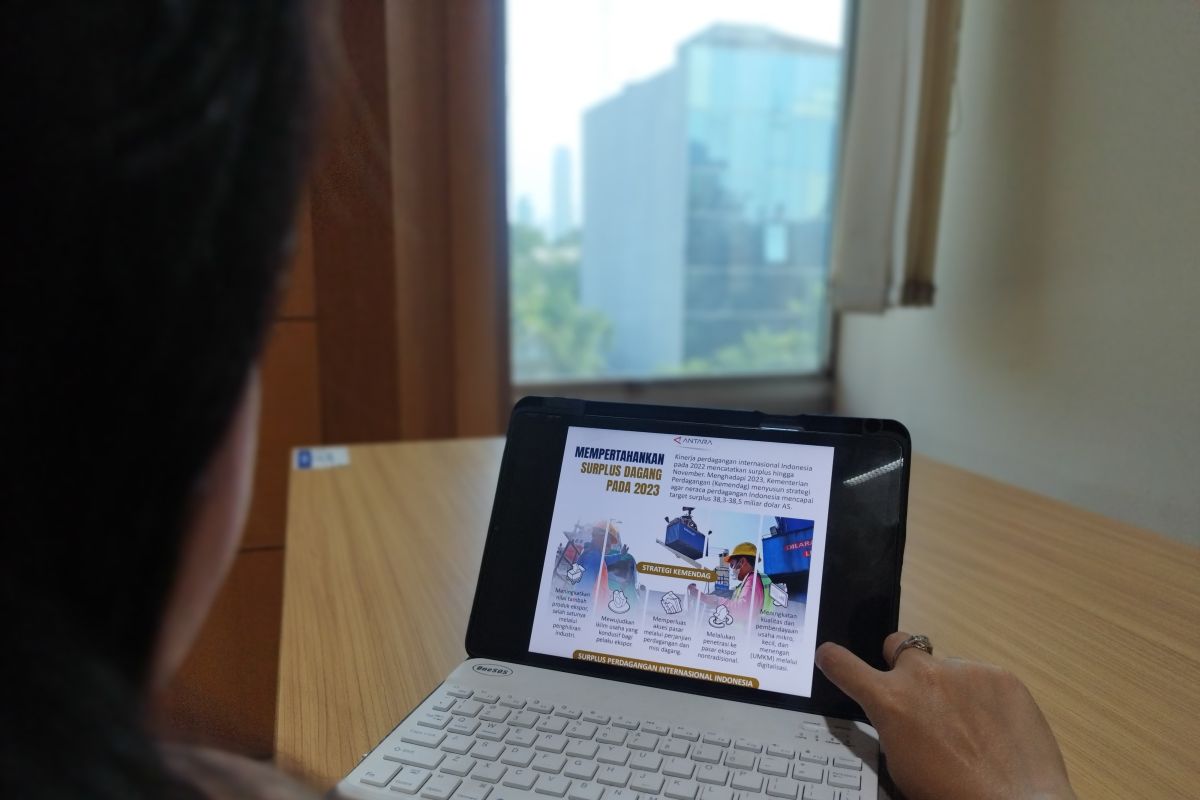
Jakarta (ANTARA) – Economist and Center of Reform on Economics (CORE) Indonesia executive director Mohammad Faisal said Indonesia’s shrinking trade surplus needed to be anticipated, as it could weaken support for the current account and increase macroeconomic stability risks.
Faisal told ANTARA in Jakarta on Wednesday that the goods trade surplus had helped offset deficits in other current account components, particularly trade in services and primary income.
He said that as the goods trade surplus shrank, its contribution to covering deficits in other components would also decline. If this widened the current account deficit, macroeconomic stability could come under greater pressure.
“The current account deficit is also one of the factors behind weak capital inflows into the country. As a result, the rupiah also weakens when the impetus for capital inflows is weak,” Faisal said.
Statistics Indonesia (BPS) recorded a trade surplus of US$10.61 billion in January–September 2026, down from US$33.48 billion in the same period a year earlier.
The contraction came as imports rose 19.67 per cent year on year to US$210.63 billion, outpacing export growth of 5.58 per cent to US$221.23 billion.
By category of use, imports of raw and auxiliary materials dominated at US$150.57 billion, followed by capital goods at US$41.55 billion and consumer goods at US$18.51 billion.
Nevertheless, Faisal said an increase in imports was not always negative, since imports of raw materials and capital goods could reflect stronger industrial activity when used to support production.
However, he added, higher oil and gas imports resulting from rising global oil prices could increase economic costs, particularly for Indonesia, which remains a net oil importer.
Faisal said stronger exports, increased production capacity and diversification of export destinations were needed to maintain the trade surplus and strengthen Indonesia’s external resilience.