
CoRE Provides Recommendations to Government Regarding Decile-Based Social Assistance Distribution
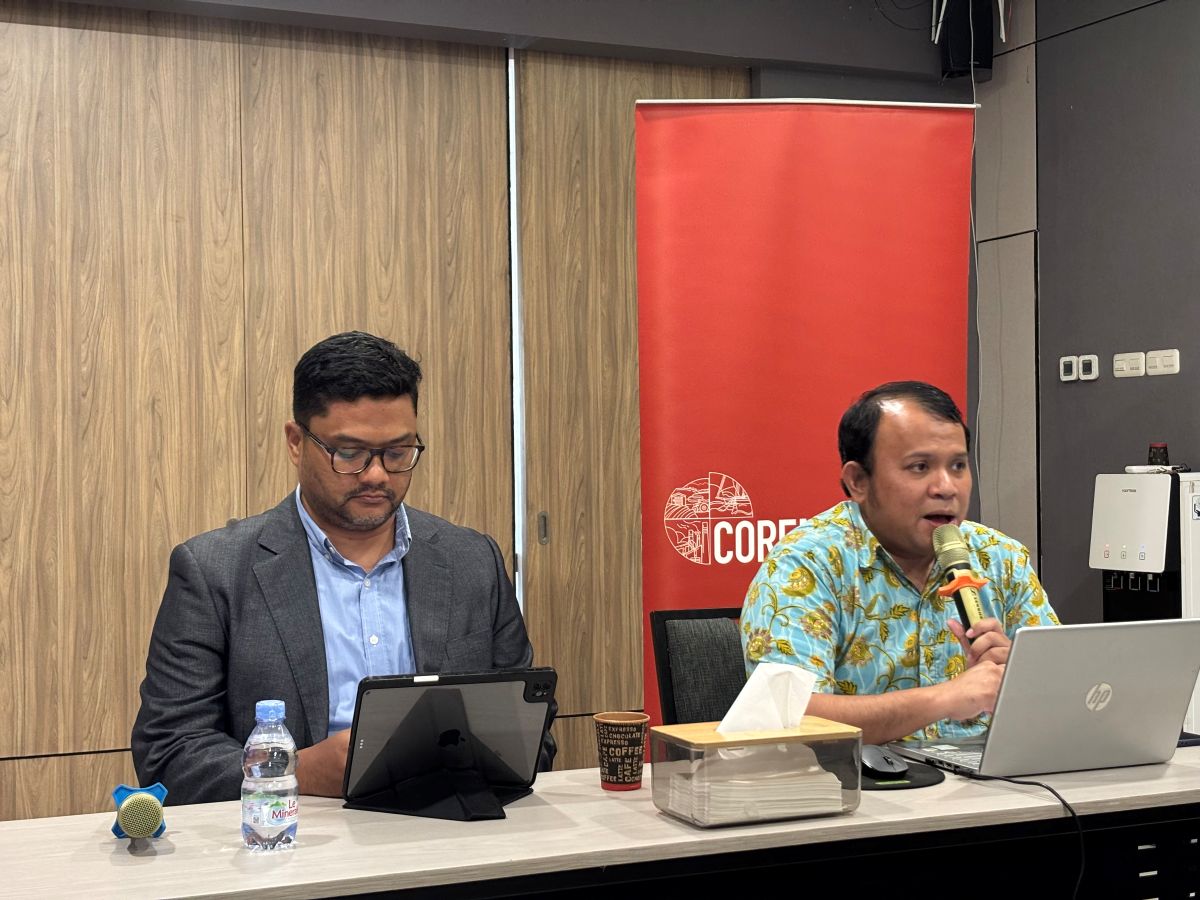
Yusuf Rendy Manilet, a researcher at the Centre of Reform on Economics (CoRE) Indonesia, has presented several recommendations, ranging from short-term to long-term, regarding the government’s policy on distributing social assistance (bansos) based on deciles.
“In the short term, I believe the discourse on decile-based assistance needs to be postponed until the data has been improved or clarified,” Yusuf stated in Jakarta on Thursday.
Furthermore, Yusuf noted that the Central Bureau of Statistics (BPS) has not yet published the methodology used in determining these deciles. “In this context, I believe it is necessary to evaluate the methodology together; the methodology should also be opened to the public so it can be collectively tested,” he explained.
He also requested that the government be more proactive in responding to public complaints regarding errors in decile classification. He argued that citizens should ideally receive proactive steps from the government once data updates or corrections have been received.
Regarding long-term recommendations, Yusuf stated that the government should not use deciles as a single indicator for social assistance distribution. “In terms of what needs to be done in the medium to long term, I think the government should not use decil as a sole indicator. I believe there should be a two-step verification process that the government can subsequently utilise,” he elaborated.
Finally, Yusuf mentioned that the National Single Social and Economic Data (DTSEN) requires a stronger legal foundation to ensure its use is more optimal in the future. “Lastly, we are encouraging a form of self-registration. This is the ideal setup where the public registers themselves, which is then updated and used by the government for distributing assistance across various sectors,” he concluded.
Esther Sri Astuti, Executive Director of the Institute for Development of Economics and Finance (Indef), emphasised the importance of strengthening the National Single Social and Economic Data (DTSEN). She noted that deciles within the DTSEN are not labels or statuses of population welfare, nor are they a direct measure of poverty.
BPS Head Amalia Adininggar Widyasanti has invited the public to actively update their DTSEN data through official channels to ensure that aid distribution is more targeted. There remain many cases of inaccurate targeting, where eligible poor populations are excluded from recipient lists while wealthier groups receive subsidies.
Indef and BPS emphasised the importance of updating the DTSEN to ensure it remains dynamic and accurate in order to reduce budget leakage. Meanwhile, President Prabowo has extended the 10kg monthly rice social assistance programme until December 2026, with Bulog ensuring sufficient stocks for 33.2 million assisted families.