
CORE: National Internship Programme Should Be Extended to Senior Secondary School Graduates
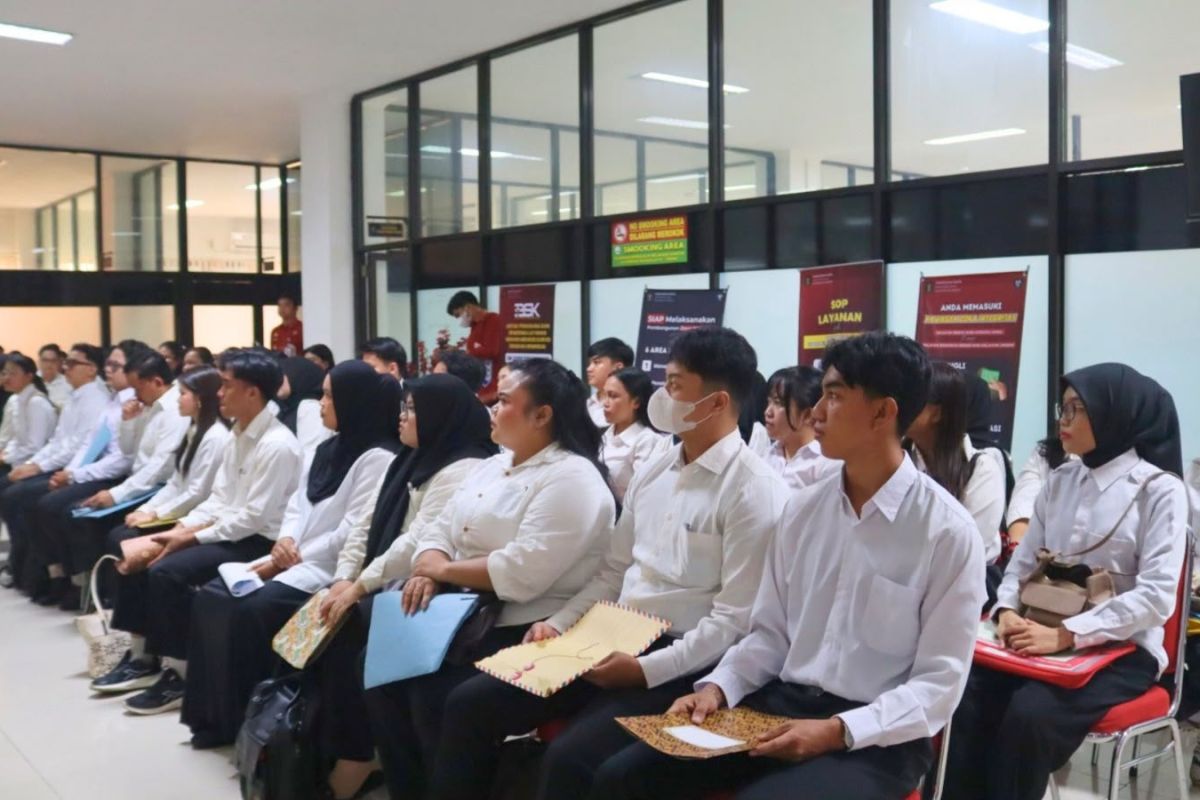
Jakarta (ANTARA) – The Center of Reform on Economics (CORE) Indonesia think tank has urged the government to extend the National Internship Programme to senior secondary school and vocational school graduates to strengthen the transition from education to work.
In its October 2026 monthly report, cited in Jakarta on Thursday, CORE said the expansion was important because graduates of SMA and SMK schools still made up the largest share of the country’s unemployed.
The National Internship Programme, delivered through the MagangHub platform, is currently aimed at graduates with diplomas (D3) and bachelor’s degrees (S1).
According to CORE’s research, SMA and SMK graduates accounted for 50.39 per cent, or around 3.64 million, of the 7.22 million unemployed people nationwide in May 2026.
CORE recommended integrating internship pathways for SMA and SMK graduates with vocational education, so participants gain work experience as well as skills aligned with industry needs.
Alongside broadening eligibility, CORE urged the government to introduce a cost-sharing scheme with large companies gradually, so programme funding does not rely entirely on the state budget (APBN).
The second intake of the National Internship Programme in 2026 has a quota of 150,000 participants and a budget of Rp4.2 trillion. It provides six months of work experience to D3 and S1 graduates who completed their studies no more than a year earlier.
Participants receive an allowance equivalent to the minimum wage, paid by the government, as well as employment accident and death insurance and a competency certificate.
“Although it can address barriers posed by work-experience requirements through direct workplace training, the programme’s quota is only 150,000 participants, or around 2.1 per cent of the 7.22 million unemployed people in May 2026,” CORE wrote.
Before expanding the quota, CORE also recommended that the government overhaul the programme’s success indicators, moving away from participant numbers towards the quality of outcomes. Suggested measures include job retention of more than one year, the rate of underemployment among alumni, and the gap between alumni wages and the national average wage.
The evaluation could be carried out through a tracer study integrated with data from BPJS Ketenagakerjaan.
CORE also called for standardised curricula and mentor quality, as well as limits on the ratio of interns to employees to prevent interns from replacing regular workers.