
CORE: Indonesia must pay relatively higher prices for US agricultural imports
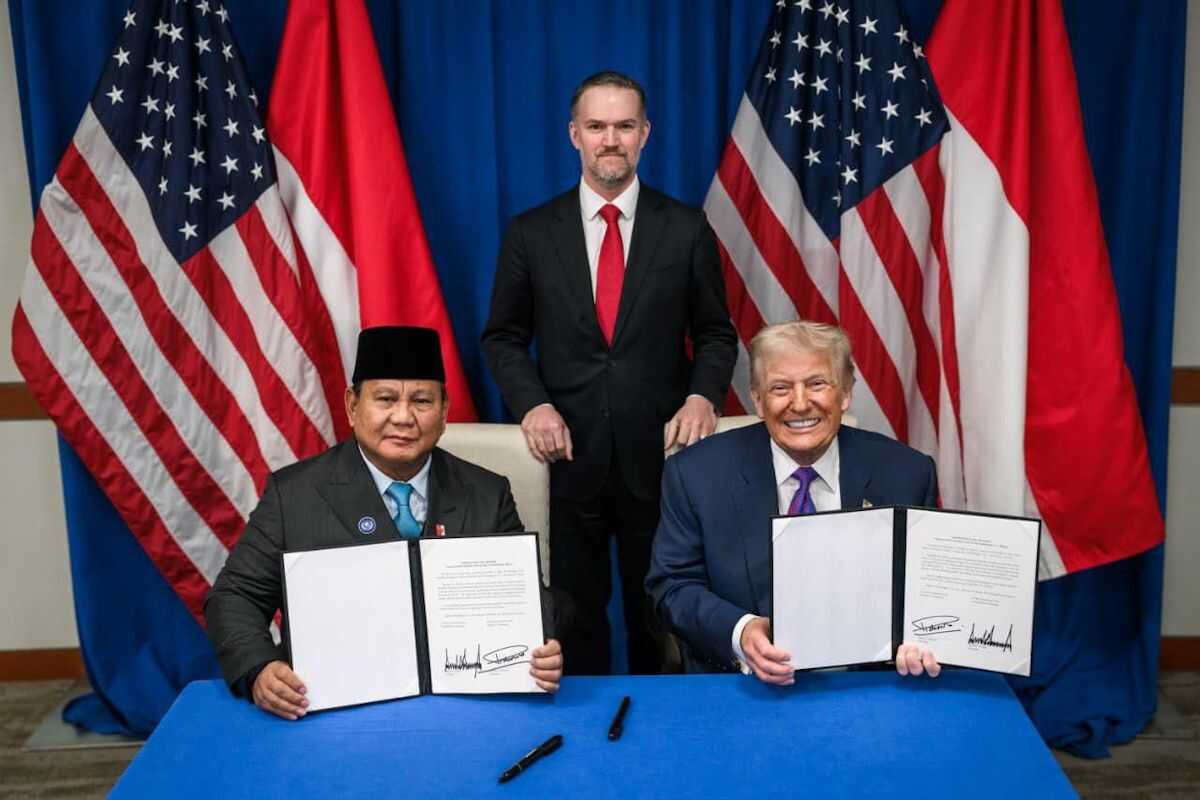
Jakarta — Indonesia’s commitment to purchase various agricultural commodities from the United States is valued as potentially disadvantageous to the country, as it must pay at relatively higher prices compared with other import sources offering more competitive pricing.
“Some food commodities from the US are relatively expensive compared to what we normally purchase,” said CORE Indonesia researcher Eliza Mardian when contacted in Jakarta on Wednesday.
“So because of this agreement, we are forced to buy at relatively high prices, no longer considering competitive goods,” she added.
Under the Indonesia-US trade agreement concluded on 19 February 2026, Indonesia committed to purchasing US agricultural products worth more than $4.5 billion. The purchases include soya beans, maize, wheat, cotton, and beef.
Additionally, Indonesia committed to purchasing 3.8 million metric tonnes of soya bean meal annually for five years, wheat of at least 2 million metric tonnes annually for five years, and cotton of 163,000 metric tonnes annually for five years.
According to Eliza, commodity prices from the US are relatively higher than from other suppliers, requiring Indonesia to pay more for products actually available at more competitive prices on the global market.
She cited maize from Argentina as available at $193 per metric tonne (MT), whilst that from the US costs $194/MT.
Facing this reality, Eliza stated that the government needs to develop strategies to keep the domestic industry protected.
One option is to provide subsidies to industry players to use domestically produced raw materials.
For example, subsidies for maize for livestock feed for small-scale farmers would provide dual benefits to both maize farmers and livestock producers.
According to Eliza, when farmers are reluctant to cultivate due to losing competition with imports, production could decrease whilst demand continues to rise.
This condition risks increasing import dependency and making Indonesia vulnerable to geopolitical disturbances.